Last updated November 21, 2026
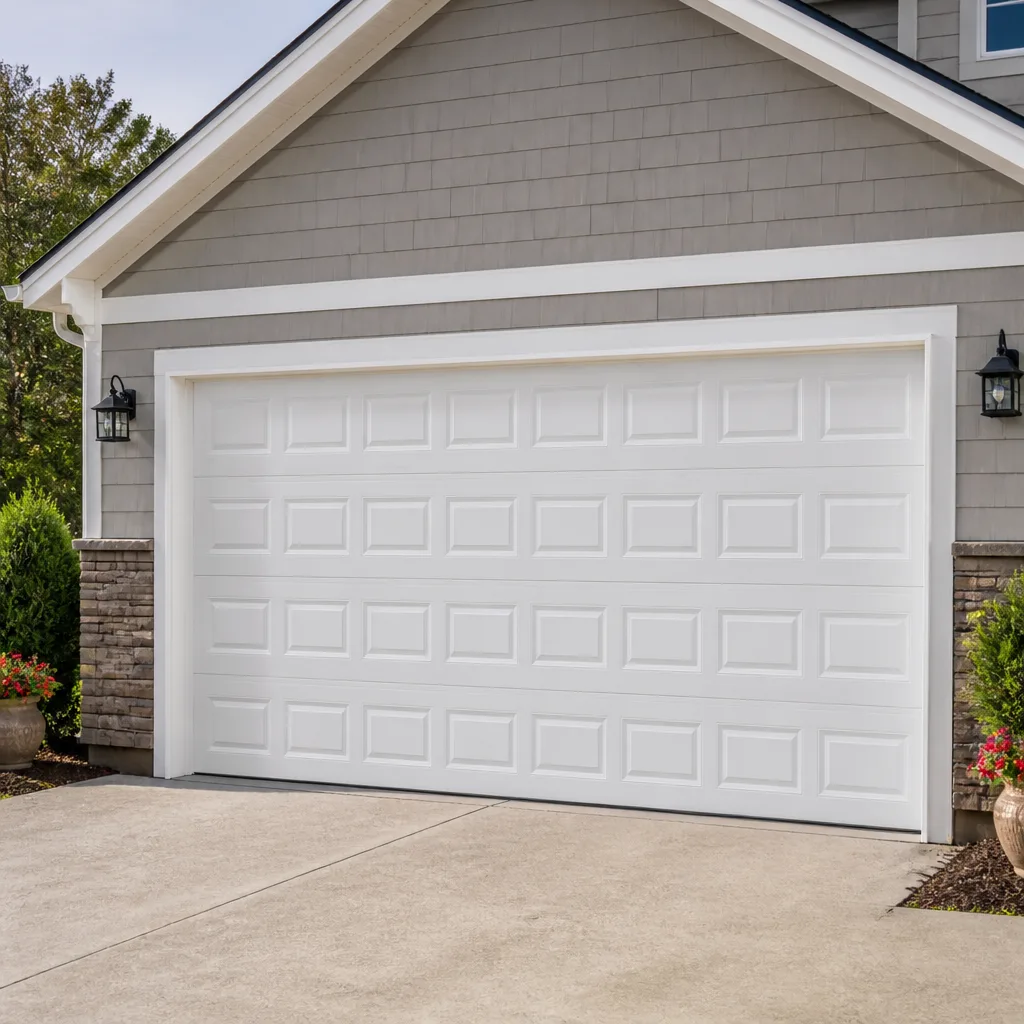 Raised-panel steel
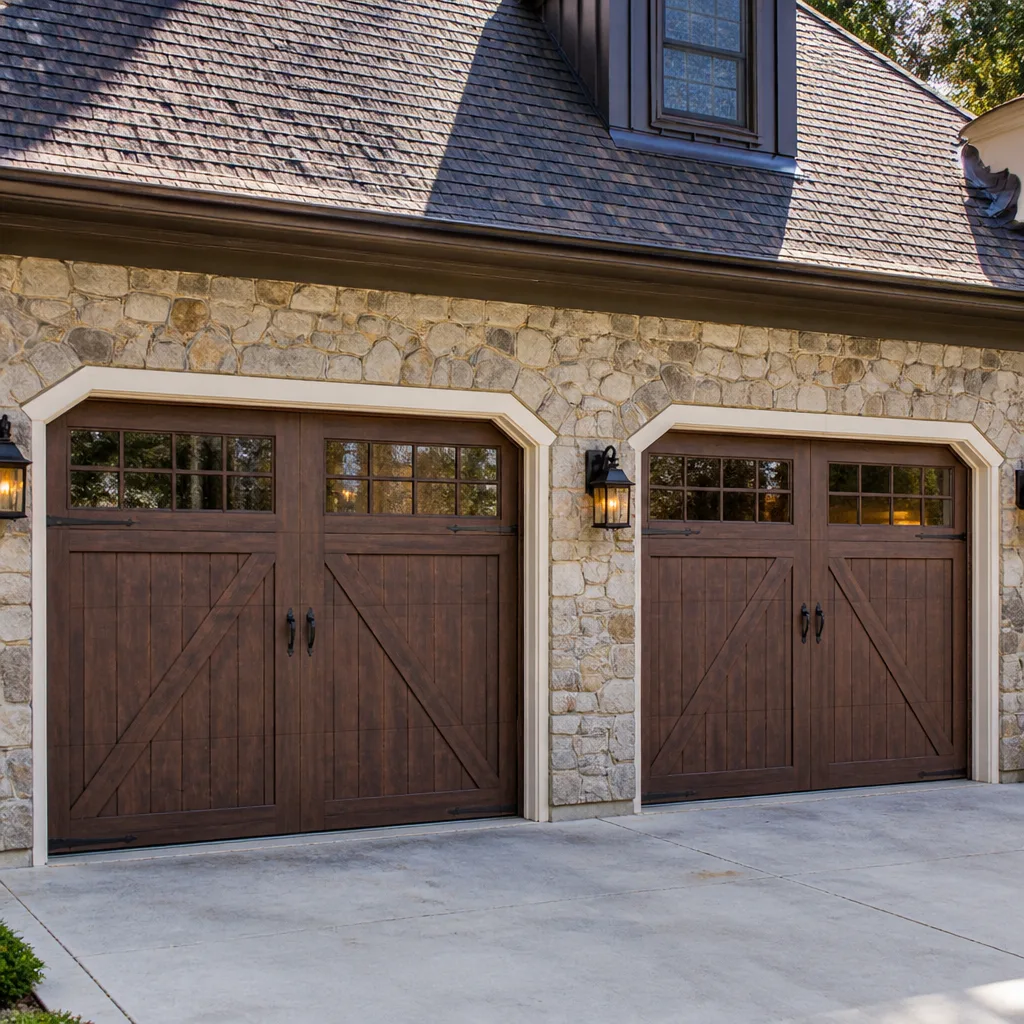 Carriage house
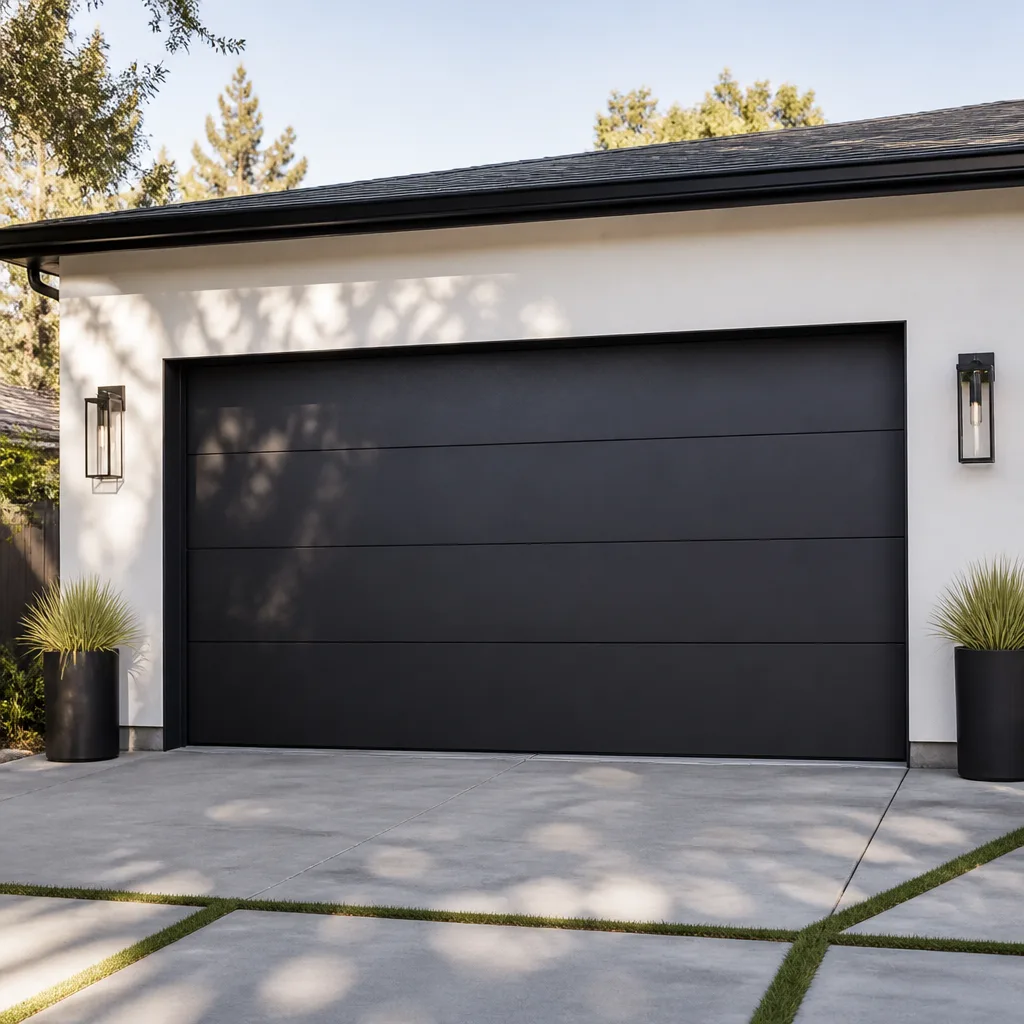 Modern flush
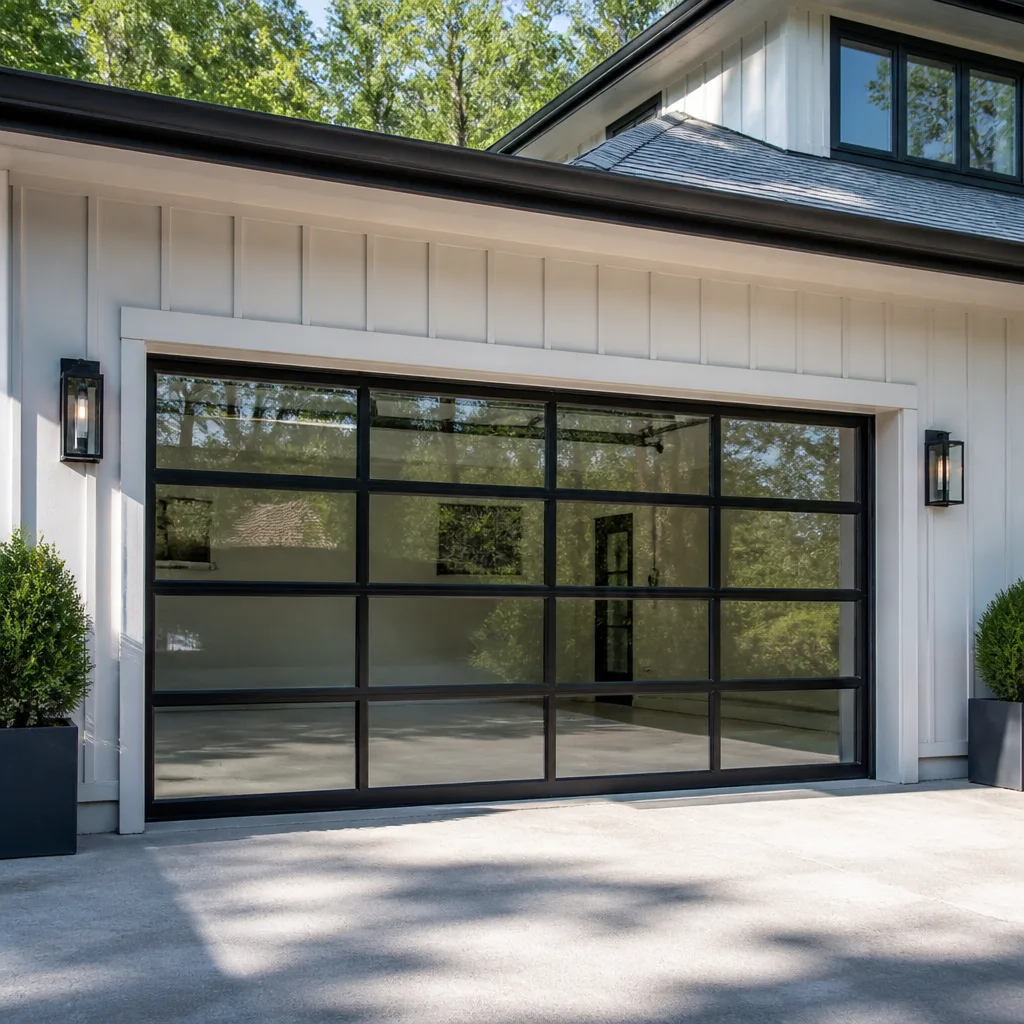 Full-view glass
 LiftMaster openers
 Chamberlain openers
Full 25-point door and opener safety check with every visit - springs, cables, rollers, tracks, and your LiftMaster or Chamberlain opener included
You get a price before we start. It does not change when the pro arrives.
Get your free estimateDIY vs Professional Garage Door: The Mount Laurel Homeowner’s Decision Guide
Springs get all the warnings, and they deserve them. But the DIY-versus-professional question around a garage door is never really about springs alone. It’s about sorting the work into three piles: the jobs a careful homeowner with basic tools can finish in an afternoon, the jobs that are tricky but not dangerous, and the jobs where one wrong move can cause a real injury. We’ve watched Mount Laurel homeowners save a service call on a wobbly sensor one month and pay double the next for a door that a Saturday project left worse than it started. This guide draws the line clearly. You’ll get a task-by-task breakdown, the tools each job really needs, how New Jersey permits and insurance claims come into play, and the straight math on when calling a professional is the cheaper call.
Quick Answer
In Mount Laurel, a competent homeowner can safely handle about a third of typical garage door issues: seals, sensor alignment, opener remotes and reprogramming, routine lubrication, and visual inspections. Torsion spring replacement, cable work, and anything involving the opener’s high-voltage wiring belong with a trained technician. The gray zone is panel and roller work, where the risk isn’t injury but making a small problem into a door that comes off its track.
Styles & brands we work with
- Raised-panel steel
- Carriage house
- Modern flush
- Full-view glass
- LiftMaster openers
- Chamberlain openers
Table of Contents
- The Three Categories: Safe DIY, Proceed with Caution, Never DIY
- Why Torsion Springs and Extension Springs Are Different Problems
- Tools and Skill Level for the Legitimate DIY Tasks
- New Jersey Code and Insurance: Where DIY Creates Real Trouble
- The Honest Cost-Benefit: Service Call vs. DIY Parts
- What Mount Laurel Weather Does to Your Door
- A Self-Assessment Before You Start
- Frequently Asked Questions
The Three Categories: Safe DIY, Proceed with Caution, and Never DIY
The blanket advice “call a pro” undersells what homeowners can reasonably do. The blanket advice “you can fix it yourself” gets people hurt. The useful answer sits in the middle, and it starts with categorizing the work: a safe DIY list, a proceed-with-caution list, and a category that should carry a hard stop no matter how confident you feel.
We’re thinking about this from a Mount Laurel perspective, where the housing stock runs from mid-century single- and two-car garages to newer builds. Door type doesn’t change the risk categories. A task that’s safe on a Clopay door is safe on an Amarr door. The tools vary slightly, the danger doesn’t.
Safe DIY
- Replacing the bottom weather seal. A worn seal lets in water, drafts, and small pests. It’s a press-in or slide-in fit on most residential doors and takes under an hour.
- Realigning safety sensors. If the door won’t close and the opener light is blinking, the sensors are usually knocked out of alignment. The fix is loosening a bracket, squaring the lens, and tightening it back down.
- Reprogramming remotes and keypads. On most Chamberlain and Genie openers, this is a manual-and-a-button job, and it costs nothing but ten minutes.
- Lubricating hinges, rollers, and the track. A garage door specific lubricant, applied at the hinge pivot points and to the roller bearings, quiets a noisy door and slows wear.
- Visual inspections. The most underrated housekeeping task on your door. See the later section for what to look for.
Proceed with Caution
- Replacing a single damaged panel. Possible for a confident homeowner, but you have to identify the exact panel and know the door’s model. A mismatch shows from the street.
- Replacing rollers. Doable, but it means disconnecting the door from the opener and managing tension carefully. A heavy door on a compromised roller is a real injury risk if you don’t know how to lift it safely.
- Adjusting the opener travel limits and force settings. These are the two settings that determine whether your door reverses on contact with an obstruction. Adjust them wrong and you’ve disabled a safety feature.
- Replacing a bent track section on a light door. Sometimes a gentle bend can be corrected without removing the track. That’s a judgment call best made by someone who has done it many times.
Never DIY
- Torsion spring replacement or adjustment. Covered in detail in the next section. The stored energy in a torsion spring is enough to seriously injure anyone without proper winding bars and the training to use them.
- Cable work of any kind. Cables hold the door’s full weight in tension. Cutting, adjusting, or replacing them is a professional task.
- Replacing the entire door or opener. A door is heavy and awkward; an opener is a permanently wired appliance. Both need a technician.
- Any electrical work inside the opener housing. See the New Jersey code section below.
A quick note on safety: if you’re ever unsure whether a task is in the safe column, treat it as though it isn’t. That’s the rule a technician uses too. For any of the jobs in the third column, garage door repair is the right first call, not a Saturday experiment.
Why Torsion Springs and Extension Springs Are Different Problems
The garage door spring topic gets hand-waved into one warning about physics. In truth, torsion springs and extension springs fail differently and threaten differently. Understanding the mechanical difference is what turns “springs are dangerous” into “torsion springs are the ones you must leave alone.”
An extension spring runs parallel to the horizontal track on each side of the door. It stores energy as it’s stretched: the door going up pulls the spring longer, the door coming down lets it shorten. When an extension spring fails, it’s under tension, but the energy releases along the length of the spring, and most modern extension springs include a containment cable that runs through the middle to catch the spring if it breaks. That’s why some homeowners with lighter, older doors have safely swapped a matched pair of extension springs: the tooling is basic, and the mechanism is a straight-line pull.
A torsion spring is a very different animal. It sits on a shaft above the door, wound tight around the shaft, and stores energy through torque rather than stretch. When a torsion spring is at rest, the shaft is carrying hundreds of pounds of rotational force that’s held only by the winding cones and set screws. To work on one, a technician inserts two solid steel winding bars, one into each cone, and rotates the spring in a controlled wind-down. Any slip sends those bars spinning. There’s no containment cable to catch a torsion spring, and the force is concentrated at the shaft rather than spread along a track. The difference isn’t a matter of degree; it’s the difference between a spring aimed along a contained path and one aimed straight out at whatever’s in front of it.
That’s why spring work is at the top of every professional’s “don’t” list. When a torsion spring fails in a Mount Laurel home, we can replace the spring, balance the door, and confirm the opener’s travel limits in a single service call.
If you’re hearing a single loud snapping sound from the garage and the door is stuck partway or fully open, that’s the signature of a broken torsion spring. Don’t pull the emergency release or try to lift the door by hand. Call the professionals. Our garage door spring repair handles both torsion and extension replacement with the right tooling.
Tools and Skill Level for the Legitimate DIY Tasks
One test distinguishes a reasonable DIY project from a risky one: name the tools it needs before you start. If you can’t list them, you don’t have them. Here’s what the safe-DIY tasks actually require, so you can be honest with yourself about your workbench and your skill level.
Weather seal replacement
Tools: a measuring tape, a utility knife, and possibly a flathead screwdriver to pry out a press-in style seal. Skill level: low. The main challenge is buying the correct seal profile for your door. Take a photo of the seal and the bottom edge of the door to the hardware store if you’re unsure.
Sensor realignment
Tools: a screwdriver or a small adjustable wrench, and the door’s opener manual (or a look at the opener’s model number for the manual online). Skill level: low. The sensors are the two small lenses facing each other about 6 inches off the ground on either side of the door opening. If one is bumped or knocked, the beam won’t connect and the door won’t close. The job is: loosen the wing nut or screw, square the sensor housing toward its partner, and tighten. One of the lenses usually has a small LED that lights when the beam connects.
Remote reprogramming
Tools: none beyond the remote, the opener’s “learn” button, and the manual for the sequence. Skill level: low. Most Chamberlain and Genie openers have a learn button on the back of the motor head. You press it, then hold the remote button within a short window. The manual spells out the exact sequence for your model.
Roller replacement
Tools: two locking pliers, a socket set, and a step ladder tall enough to reach the top track without stretching. Skill level: moderate. We’d only attempt this if a friend is bracing the door during the job. The locking pliers clamp the vertical track to hold the door up, but a door halfway up on two rollers is something to handle carefully.
Lubrication and inspection
Tools: garage door-specific lubricant (not general-purpose or lithium grease), a rag, and a flashlight for the inside track. Skill level: low. Place the door in the up position and put a small drop of lubricant on each hinge pivot point and each roller’s bearing surface. Don’t spray the tracks themselves; keep them clean and dry.
If reading that list makes you realize you own none of the tools, that’s useful information. A service call for a lubrication and tune-up is a solid way to spend one hour of a technician’s time and an inexpensive way to learn what your door needs from that point forward. You can learn more about routine maintenance through our garage door repair Mount Laurel page.
New Jersey Code and Insurance: Where DIY Creates Real Trouble
The electrical side of an opener is where DIY goes from “risky project” to “problem that follows the house.” Mechanical mistakes cost money. Electrical mistakes inside the opener housing can affect a homeowner’s insurance position and surface during a future sale. It’s worth knowing why before you pick up a screwdriver.
Inside the opener housing is high-voltage wiring. The opener runs on standard house voltage; the connectors inside the housing are live even when the opener itself is off. DIY electrical work on a permanently wired appliance is a category most homeowners shouldn’t touch. New Jersey municipalities generally require a licensed electrician for work that modifies the home’s permanent wiring, including a new opener circuit or a relocated wall control. If you’re adding an opener at a location where no outlet exists and the circuit has to be extended, that’s electrician territory. Ask your town’s building department if you’re unsure of the rules in your neighborhood.
Unpermitted electrical work can surface when a home is sold. Mount Laurel and most New Jersey municipalities require disclosure of any alterations and permits on a property prior to sale. A home inspector who opens the opener housing and finds evidence of unpermitted modifications can flag it. The buyer’s attorney may then require a permit to be pulled retroactively, which is a slower and costlier process than pulling it upfront. This is genuinely a make-or-break for some transactions.
Insurance claims for electrical fires can be denied. If an electrical fire originates in the opener housing and the insurer finds the wiring was modified by someone other than a licensed electrician, they have a basis to dispute the claim. The insurer isn’t looking for a reason to deny; it’s assessing whether the work was done to code.
What is safe on the electrical side: swapping a remote battery, reprogramming a keypad, replacing a wall control on the same wiring, and pressing the learn button. Those actions stay outside the housing. Modifying the opener’s circuit board, extending the wiring to a new outlet, or hardwiring a new connection all require an electrician.
On the mechanical side, most Mount Laurel garage doors don’t need a permit for repair. A full replacement does. Our team can speak to the permit requirements for a new installation when we provide the estimate. For existing scheduled repairs, we don’t need to get the township involved.
The Honest Cost-Benefit: Service Call vs. DIY Parts
The math on DIY is never just “part cost versus labor cost.” It’s part cost, plus tool cost, plus time, plus the risk of making the problem worse, plus the cost of a service call that would have been scheduled anyway. Here’s a structure to run the numbers for the tasks in each category.
Safe DIY tasks
| Task | Typical DIY cost | Typical service call | What the call usually includes |
|---|---|---|---|
| Bottom weather seal replacement | $15 – $45 for a seal cut to length | $90 – $200 | Professional fitting, plus a check of the door’s bottom edge and opener contact |
| Sensor realignment | $0 (already own a screwdriver) | $100 – $200 | Full diagnostic, plus test of opener travel and force |
| Remote reprogramming | $0 | $100 – $180 | Programming any additional remotes or wall keypads |
| Lubrication and tune-up | $10 – $20 for lubricant | $120 – $250 | Balance check, roller and hinge inspection, opener test |
Caution and Never DIY tasks
- Extension spring pair replacement (DIY attempt): $40 – $100 in springs, plus tool rental, plus realistic risk of mis-sized springs that put uneven stress on the door. A matched pair of extension springs professionally installed runs $180 – $320 per spring; a pair costs about twice that.
- Torsion spring replacement: No legitimate DIY path. A single torsion spring professionally installed runs $180 – $340 depending on door size and door weight; a pair costs roughly double.
- Panel replacement: $120 – $400 in parts if you find the exact panel for a Clopay or Amarr door, plus a real chance of leaving a gap or damaging the adjacent panel during removal. Professional replacement runs $200 – $500 per section.
- Opener replacement (DIY attempt): $150 – $350 for a unit, plus an electrical connection that may need an electrician, plus the risk of a poorly adjusted reversal setting. Professional installation runs $350 – $650 depending on complexity and opener model.
The “made it worse” multiplier
An experienced garage door technician has handled the “I already tried that” call. Common outcomes of a failed DIY attempt:
- The wrong seal is fitted, letting water in for a year before anyone notices the damage.
- A door left out of balance stresses the opener’s gear and force sensors, wearing it out faster than a properly balanced door ever would.
- A mis-traveled opener strips the limit switch inside the motor head.
- A panel bent during DIY removal is no longer a panel replacement but a door replacement.
- A torsion spring is partially wound, the door halfway stuck, and the garage unsafe to use.
On a Mount Laurel door, those outcomes run between $200 and $1,200 to undo. On a door over a decade old with the original opener still working, they can send the whole door replacement forward by several years.
The math is not “DIY always wins because the part is cheap.” It’s “DIY wins when the task is genuinely safe, the tools are already in the garage, and the risk of making the problem worse is near zero.” Outside of that, calling a technician is not the expensive choice; it’s the cheaper one. Call (844) 292-9001 for a free estimate whenever you’re on the fence.
What Mount Laurel Weather Does to Your Door
Mount Laurel sits inland in Burlington County, which puts your garage door through a weather cycle that’s genuinely harder on hardware than a mild climate. Warm, humid summers. Cold winters with enough freeze-thaw cycling to work the seals and roller wheels. Spring pollen that clogs the track. Fall leaves that collect in the bottom track and get ground into the rollers.
The practical implications:
- Bottom seals wear faster than people expect. A seal that looks fine in October can pull away from the door by the following summer. Contraction over cold months plus the pressure of a tight fit against the floor is a lot to ask of a rubber strip.
- Hinges and roller bearings need lubrication seasonally. A door that was quiet in July starts squealing in February. That’s the lubricant drying out under cold weather, not the door failing.
- Opener force settings can need tweaking as temperatures shift. A door that was set perfectly in warm weather can suddenly stop reversing in cold weather because the track’s rollers resist the cold. If your door reverses by itself on the down-travel in the winter, that’s usually a force adjustment, not a sensor failure.
- Pollen and leaf debris collect in the vertical track. This is one of the most common things we find on a routine service call in this area. It’s also why regular track cleaning and visual inspection pay off.
If your door starts making new noises at the change of season, that’s not a sign the whole door needs replacing. It’s a sign a seasonal tune-up is due. If your door has stopped responding entirely, our technician can diagnose it in a single visit.
A Self-Assessment Before You Start
Before you decide a task is safe DIY, run through these questions. Answer “no” to any of them and the task should go to a professional.
- Can I name every tool this task needs? If not, you don’t have the tools, and this isn’t the job to buy them for.
- Is the task on my safe-DIY list? If yes, proceed with confidence. If no, don’t proceed.
- Does the task involve anything under tension, or connected to the opener wiring? If yes to either, stop.
- Can I do this job without standing on a wobbly kitchen chair? A step ladder tall enough for the vertical track is a real requirement for roller work.
- Can I reverse this task if I make a mistake? If the answer is “only by replacing something,” it’s not a reasonable DIY project.
- Have I found the correct model number for the door or opener? That’s on a metal plate or sticker on the door’s bottom corner or the opener’s motor head. Take a photo before you start.
- Do I have someone to hand me tools and brace the door if needed? For anything off the safe-DIY list, a second set of hands is not optional.
The self-assessment isn’t meant to discourage you. It’s the same checklist an experienced technician walks through in their head before starting a job, and it works because it removes the “I’ll figure it out as I go” instinct that gets people hurt. On a Mount Laurel door, the checklist works the same as anywhere else.
See the difference
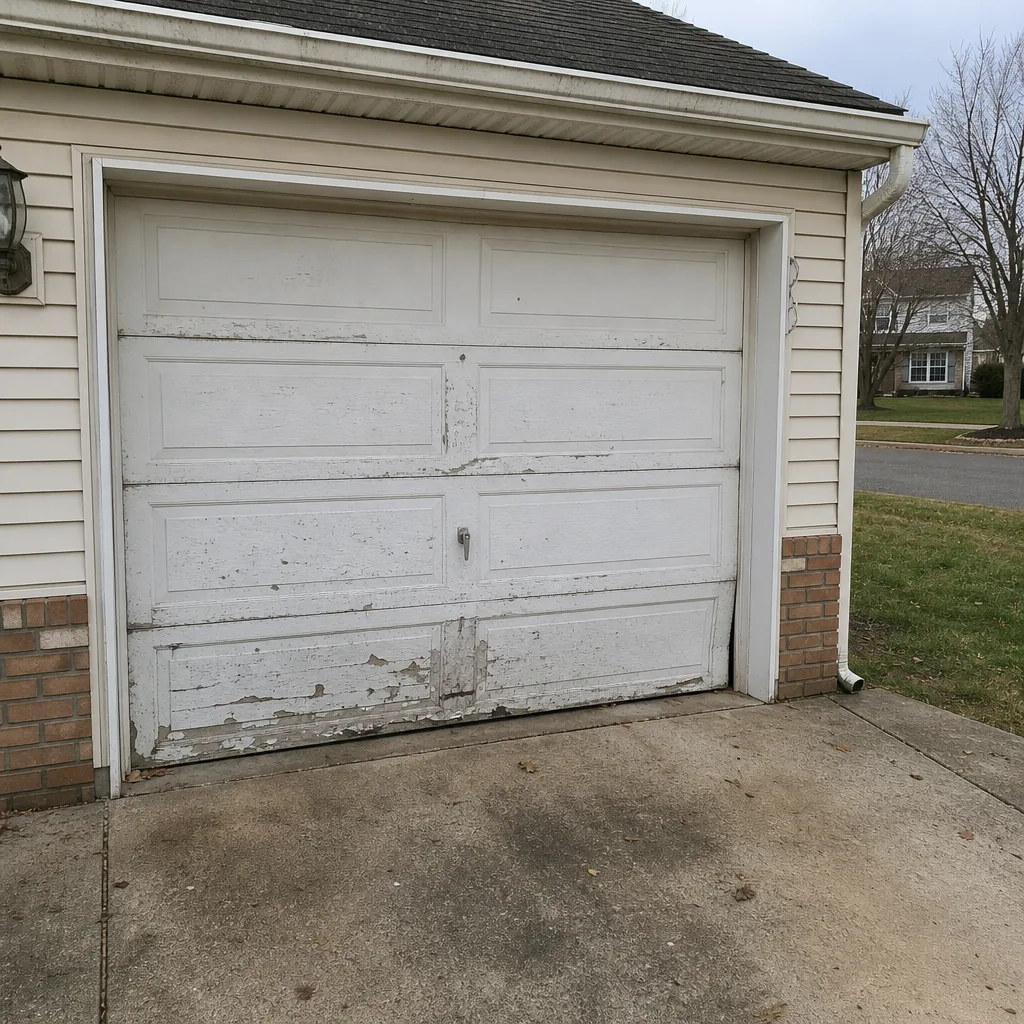 Before
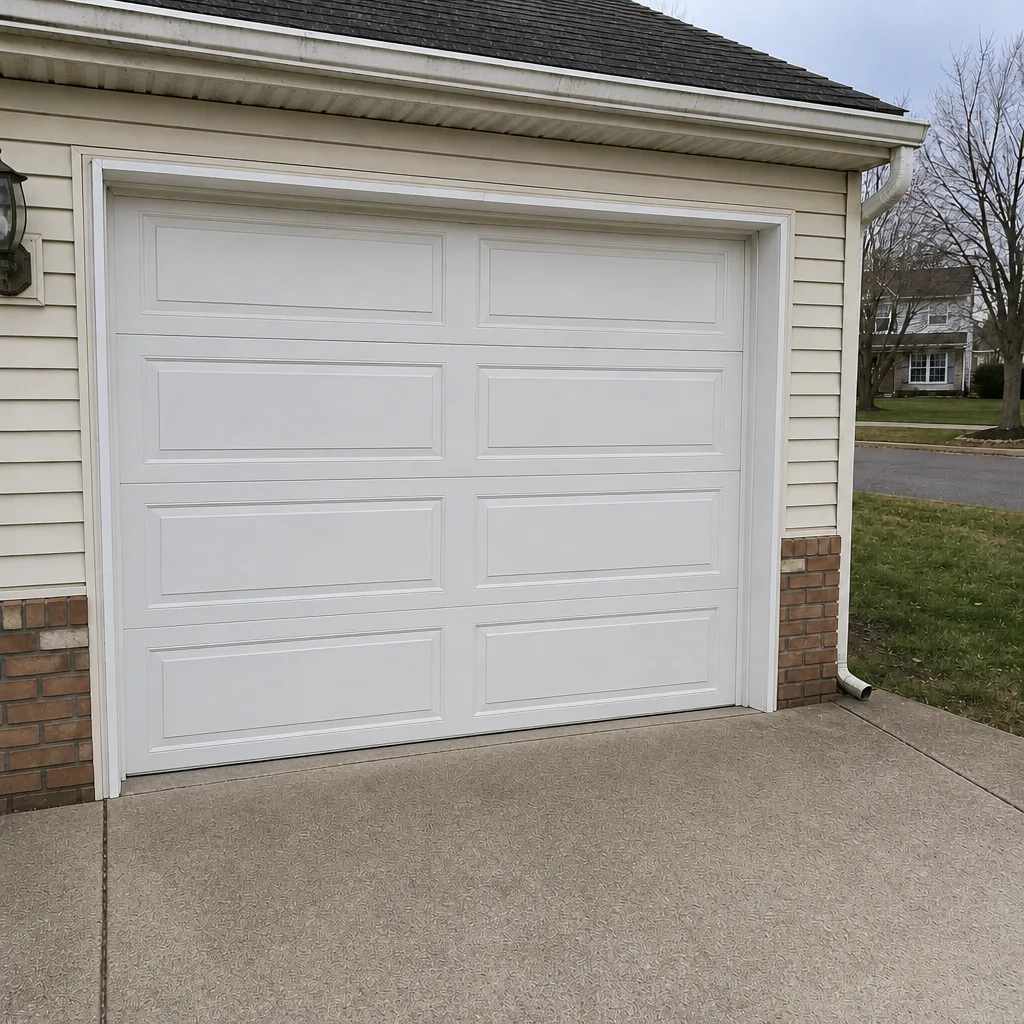 After
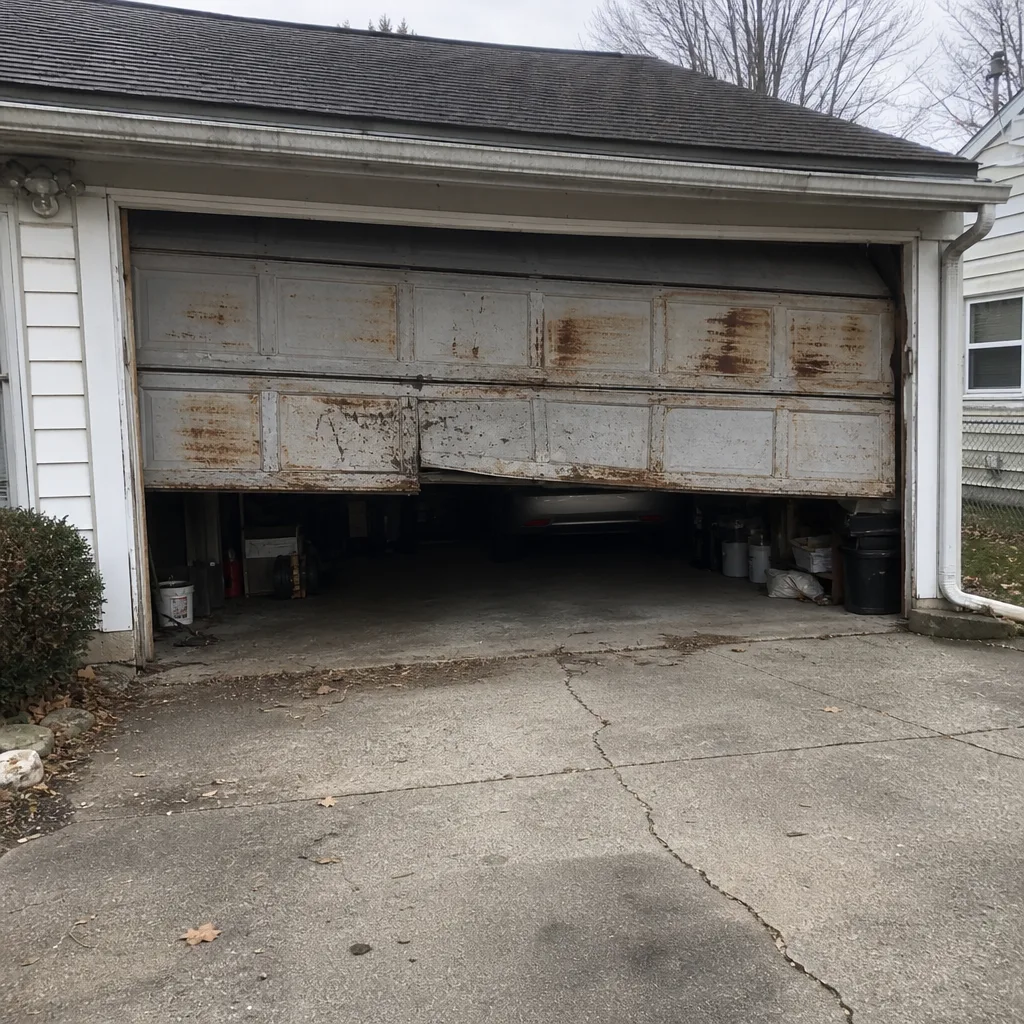 Before
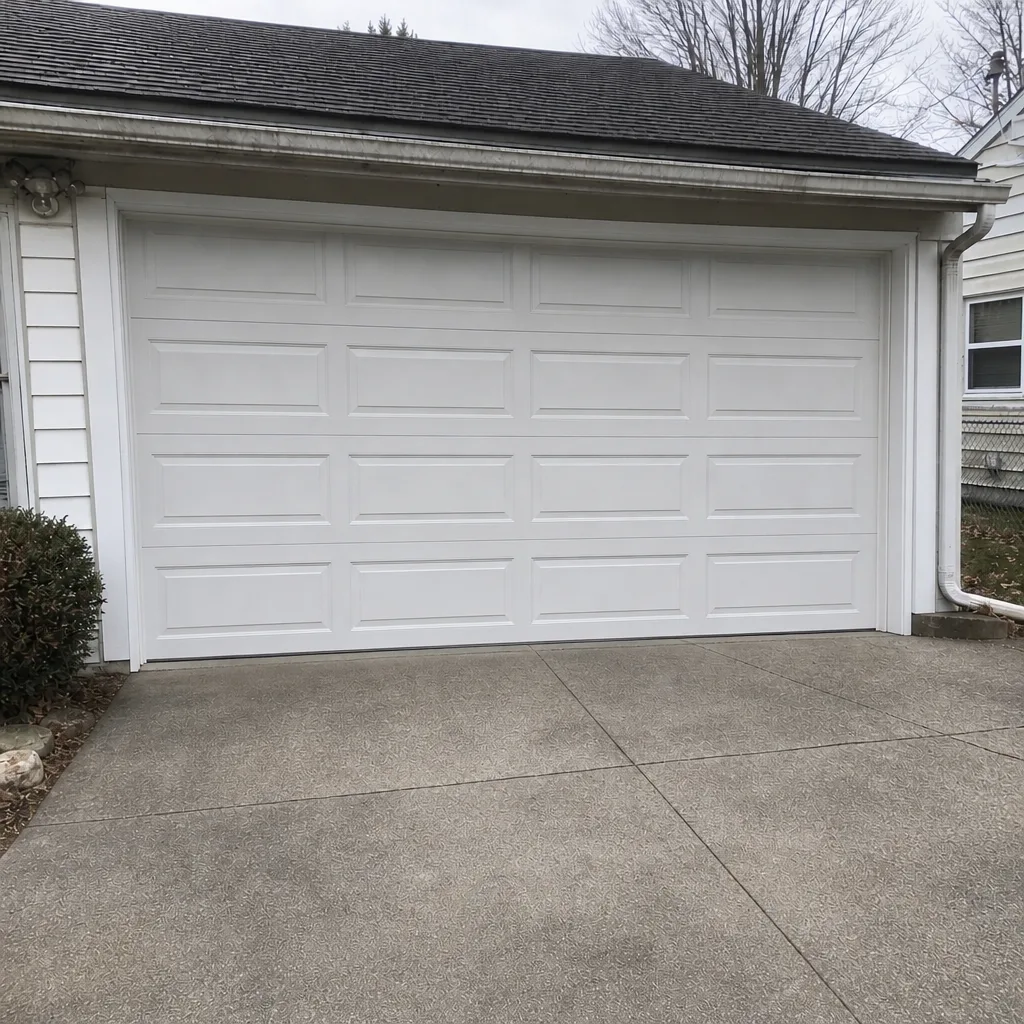 After
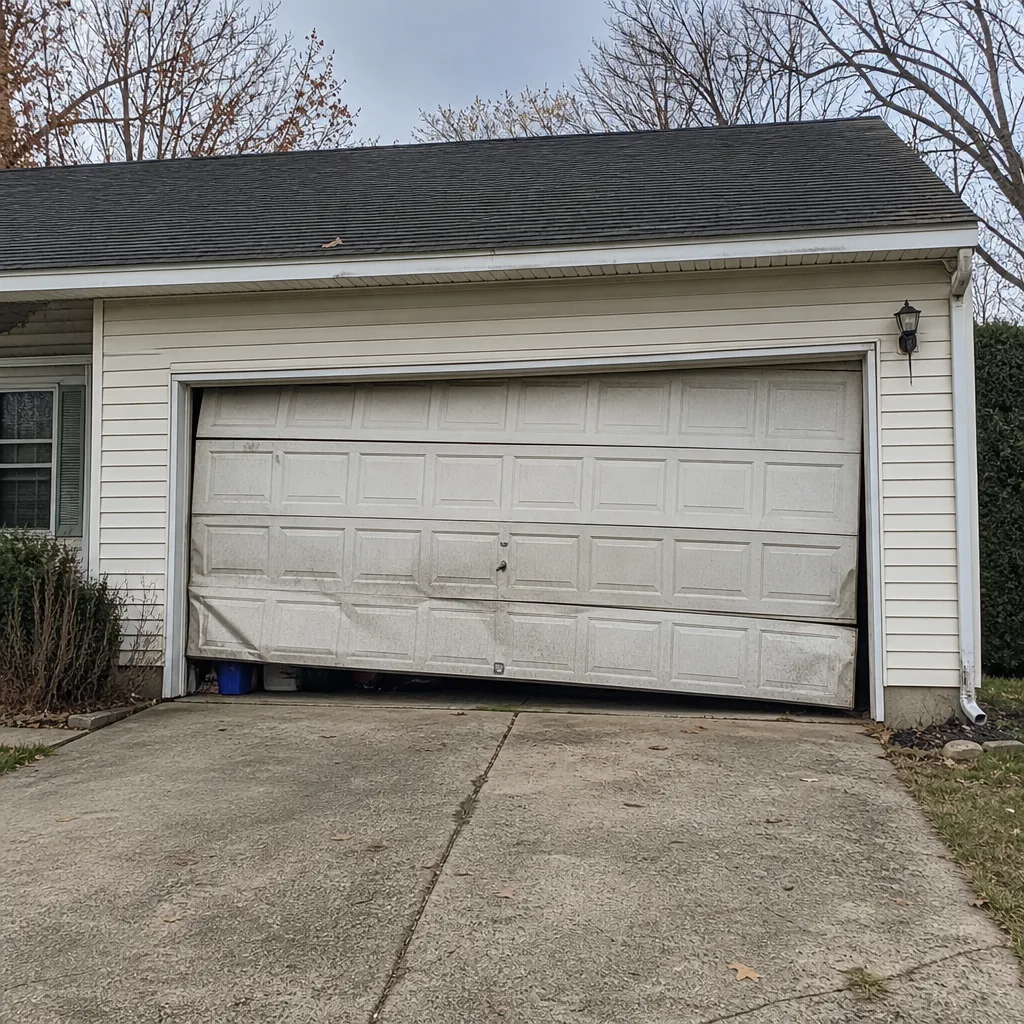 Before
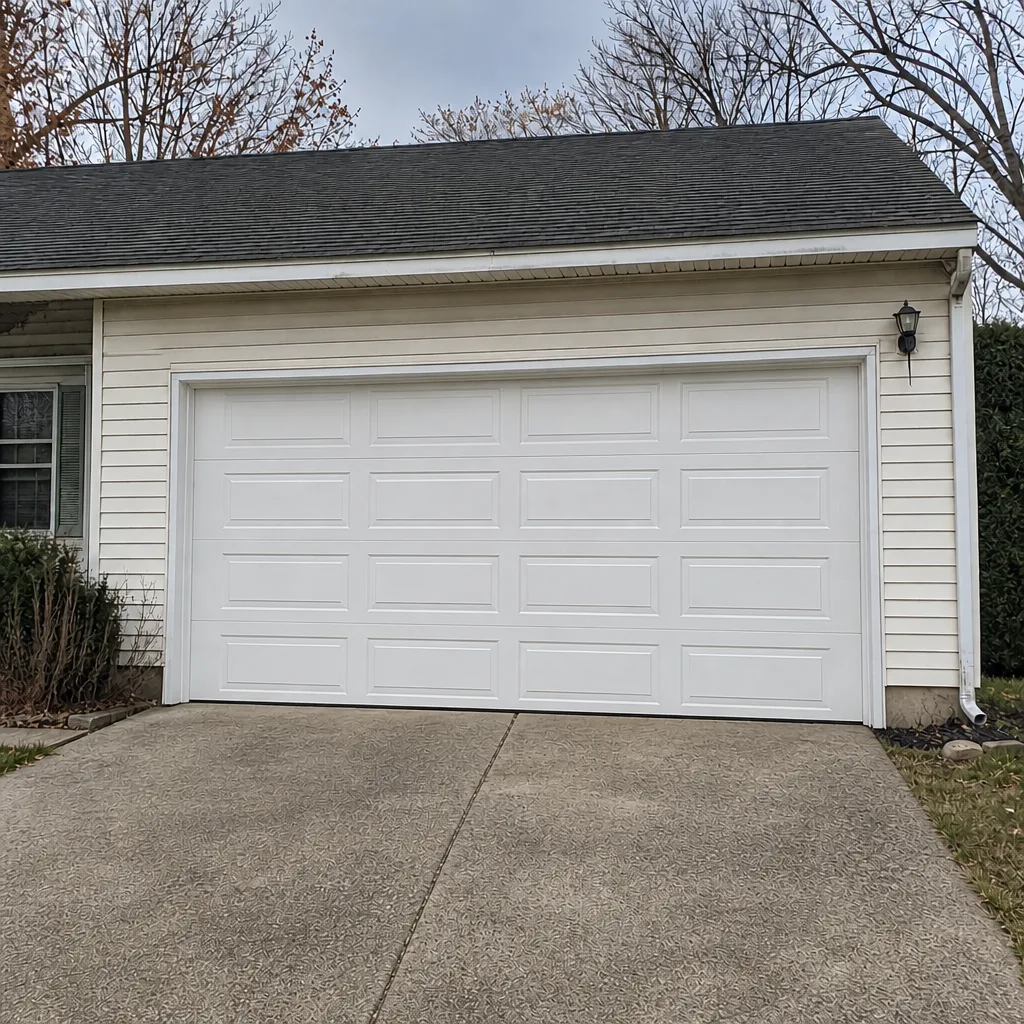 After
Common Mistakes to Avoid
- Pulling the emergency release while the door is under spring tension. On a door with a broken spring, the door is heavy and free to fall. If the door is stuck partway, leave the release cord alone and call a professional.
- Fitting a universal seal that isn’t the right profile. Every Mount Laurel hardware store sells some seal, but the profile matters. A wrong-fit seal lifts at the edges, lets water and drafts through, and looks worse than what you removed. Take a photo of your existing seal.
- Adjusting the opener force setting to make the door close. That’s the most common block we find. A door that won’t close is usually stuck on a sensor or a travel limit. Forcing the opener to close it overrides the safety mechanism and stops the door from reversing when it meets an obstruction.
- Using lithium grease on a garage door track. It collects dirt and grit, then grinds it into the rollers. Garage door-specific lubricant on the hinge points, not grease on the track.
- Replacing one spring of a matched pair. If one spring in a pair fails, the other has usually lived the same life. Replacing one puts uneven stress on the door and shortens the new spring’s life. Always replace a pair together.
- Hiring the first handyman who answers the phone for spring work. A general handyman may not carry the winding bars for a torsion spring. Calling a specialist directly saves a return visit.
- Ignoring the paper trail on a house purchase. If you’re buying a Mount Laurel home, ask for permits or service records on the garage door and opener. An unpermitted opener install is a real line item at the closing table.
The thread through all seven: on a garage door, the cheap fix on one job can cost several times the original quote on the next. Our garage door opener repair team handles the diagnostics on opener problems, and we can look at the rest of the door in the same visit.
When to Call a Professional
Call a professional when you’re outside the safe-DIY list, when you’re not sure what’s wrong, or when the door is behaving differently than it did last week. Specific scenarios:
- A single loud snap from the garage, followed by a door that won’t lift. That’s a broken torsion spring.
- A door that reverses by itself for no reason, or won’t reverse when it meets an obstruction.
- A door that opens halfway and stops, or one that drags on the ground on the down-travel.
- Cables that are loose, frayed, or visibly dangling from the drum at the top corner of the door.
- Any door that won’t open (or close) and is keeping a car in or out of the garage.
- An opener that’s making a grinding noise from the motor head.
- An older door with a legacy opener that no longer gets replacement parts at the hardware store.
Garage Door Repair Mount Laurel offers free estimates in Mount Laurel. We work on Chamberlain, Genie, Clopay, and Amarr hardware, along with the other major brands, so the diagnosis is direct. For doors that can’t wait, we offer emergency service. Call (844) 292-9001.
Frequently Asked Questions
No, on a torsion spring; that’s a professional task. Torsion springs store enough rotational energy that a slip can cause a serious injury, and the tools required (solid steel winding bars) aren’t standard homeowner equipment. Extension springs on lighter doors are a gray area, but we’d still recommend a professional for any spring work. Call (844) 292-9001 for a free estimate.
Most service calls in Mount Laurel run between $90 and $250 depending on the task and what’s found during the diagnostic. Spring replacement runs $180 – $340 per spring, with a matched pair costing about twice that. Opener repair runs $150 – $350 depending on the model. Call (844) 292-9001 for an exact quote before any work starts.
No, it’s genuinely one of the easiest garage door tasks and worth doing yourself. On most Chamberlain and Genie openers, you press the “learn” button on the motor head, then hold the remote button within a short window. Check your opener’s model-specific instruction manual for the exact sequence. If it doesn’t take after two tries, the remote battery or the opener’s logic board may need attention.
It can. New Jersey municipalities generally require permits for electrical work on a permanently wired appliance, and a home inspector may flag unpermitted modifications during a home sale. Confirm the requirements with Mount Laurel’s building department before proceeding. It’s usually cheaper to pull a permit upfront than retroactively. Call (844) 292-9001 for guidance on whether your opener work needs one.
It’s possible but not usually worth it. The work requires identifying your exact door model, sourcing a matching panel, and removing and replacing the section without bending the adjacent panel. On a Clopay or Amarr door, a mismatched panel is visible from the street. A professional panel replacement in Mount Laurel runs roughly $200 – $500 per section, including the part.
If the door isn’t stuck, isn’t visibly damaged, and isn’t making new or unusual noises, the problem is usually in the safe-DIY category. If the door is stuck, won’t reverse, won’t close completely, or you hear a snap, the diagnostic call is worth making. Our technicians have up to 9 years of experience on garage doors. Call (844) 292-9001. Estimates are free.
The Bottom Line
The honest answer to “should I DIY my garage door?” is that it depends entirely on the task. Seal replacements, sensor realignment, remote reprogramming, and routine lubrication are all fair game for a careful homeowner and can save a service call. But torsion springs, cable work, opener wiring, and full door or opener replacement belong with a trained technician. The cost math has to include the real risk of a DIY attempt making a small problem worse, which pushes most non-DIY tasks squarely into “professional is cheaper.” And in New Jersey, the electrical side is worth extra caution because unpermitted work can surface during a future sale.
If you’re on the fence about which category your door’s issue falls into, call Garage Door Repair Mount Laurel at (844) 292-9001 for a free estimate. We’ll tell you plainly if it’s something you can safely handle yourself. And if it’s not, we’ll fix it. The right fix, not the fastest upsell.
Written by the team at Garage Door Repair Mount Laurel.