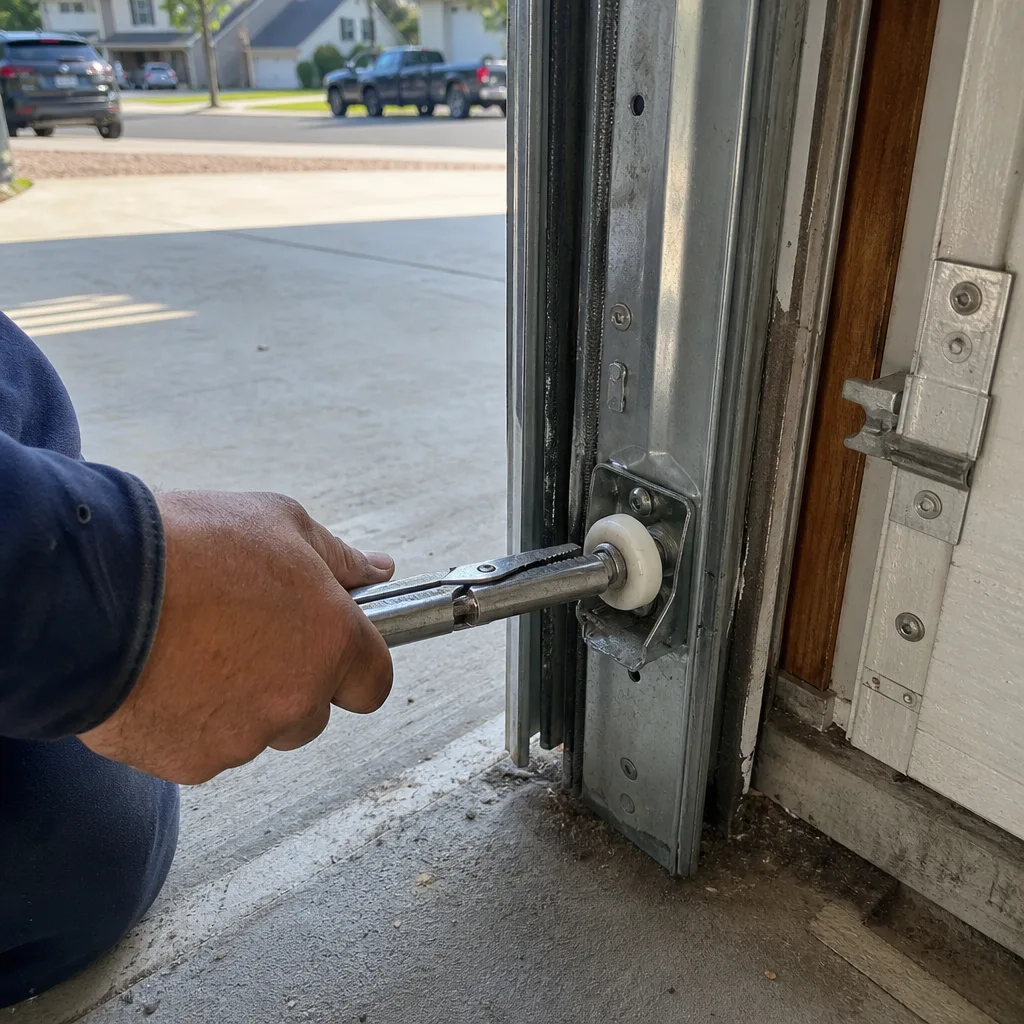
Last updated November 21, 2026
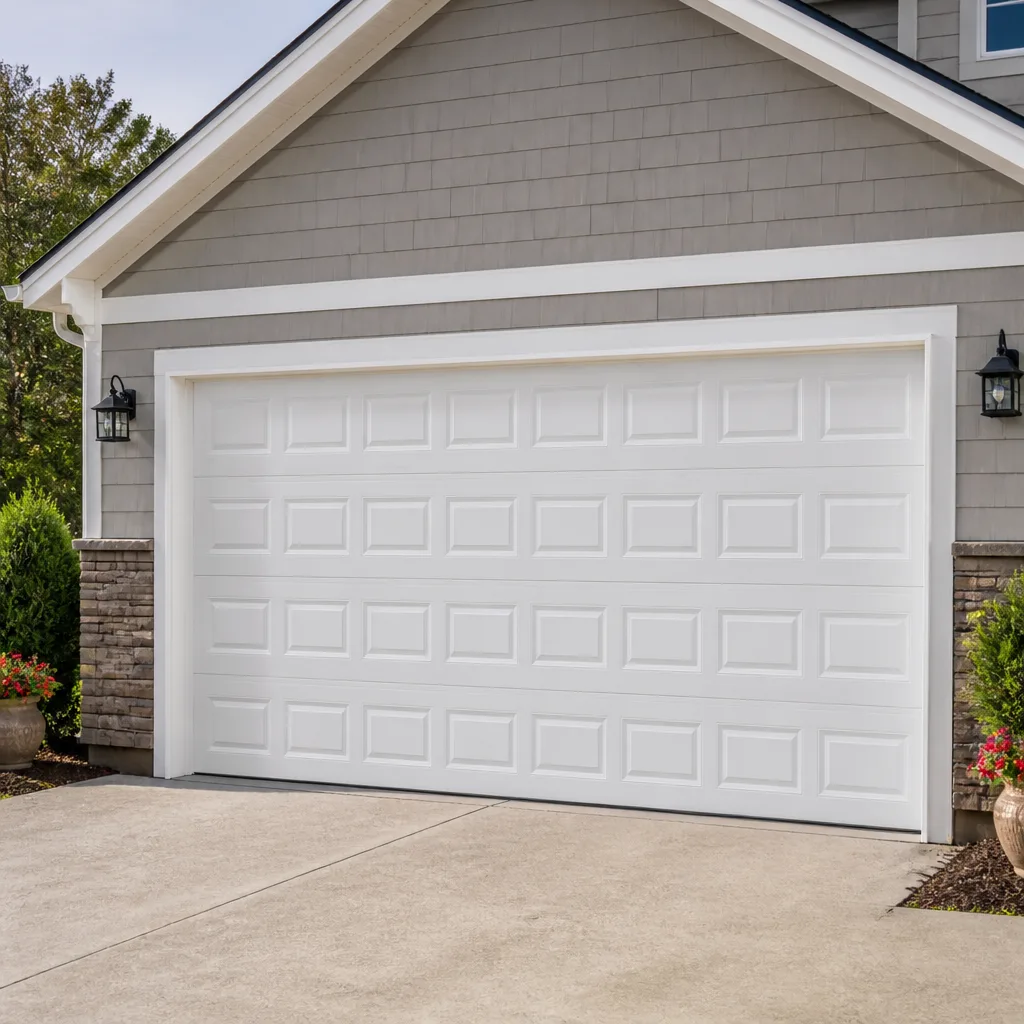 Raised-panel steel
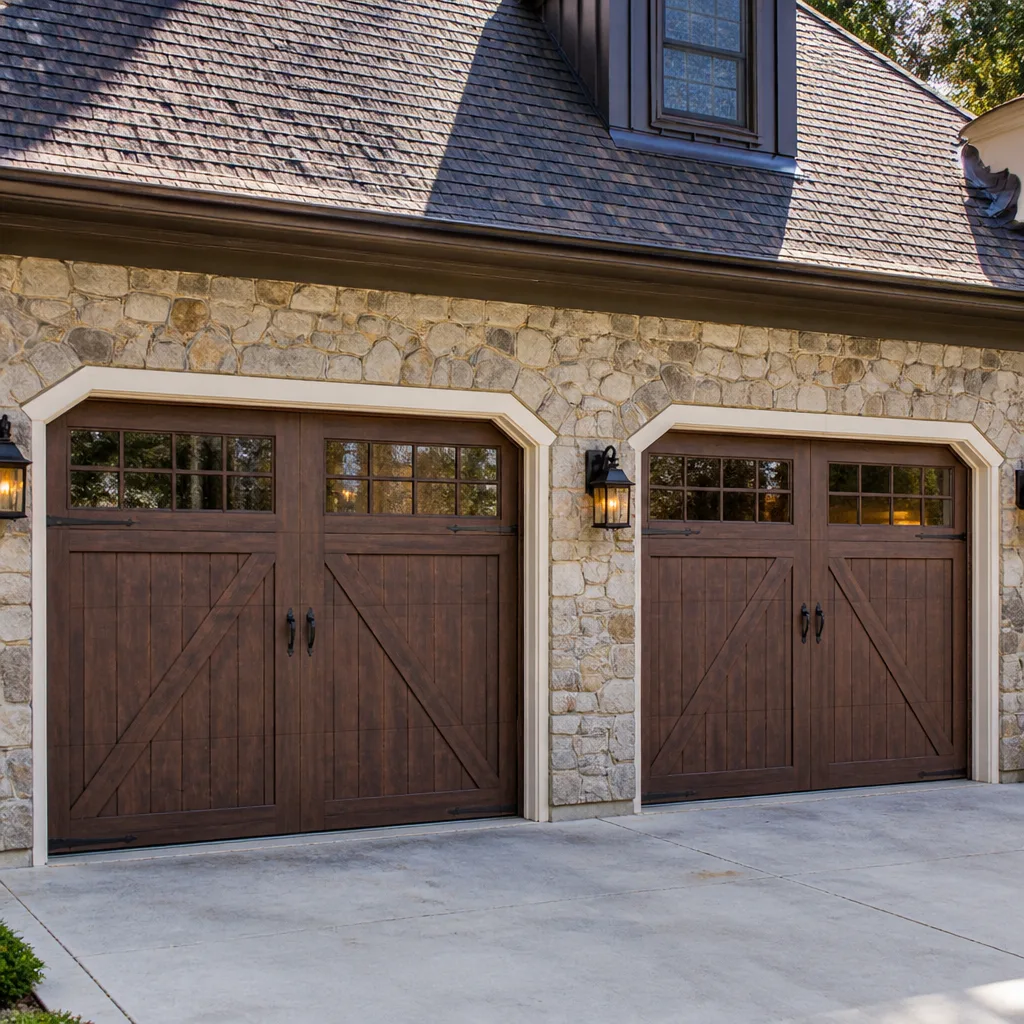 Carriage house
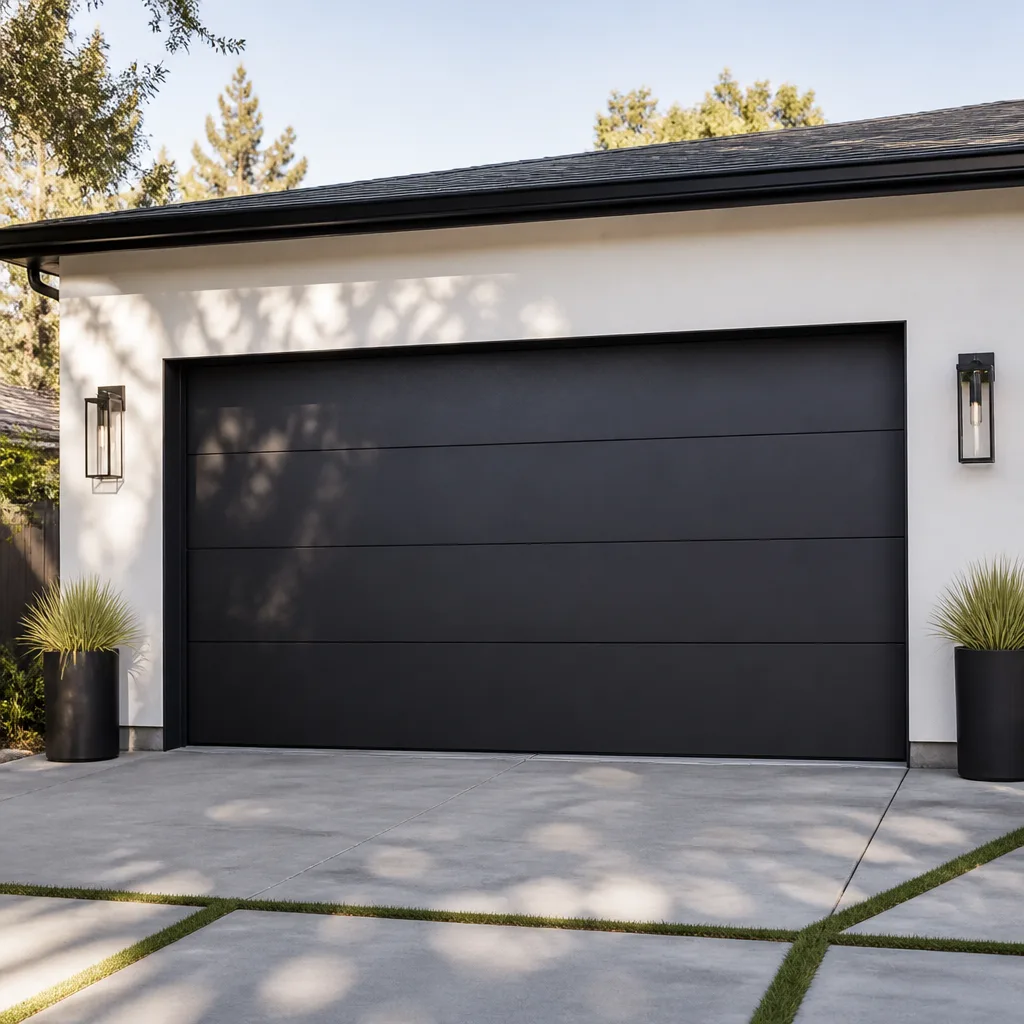 Modern flush
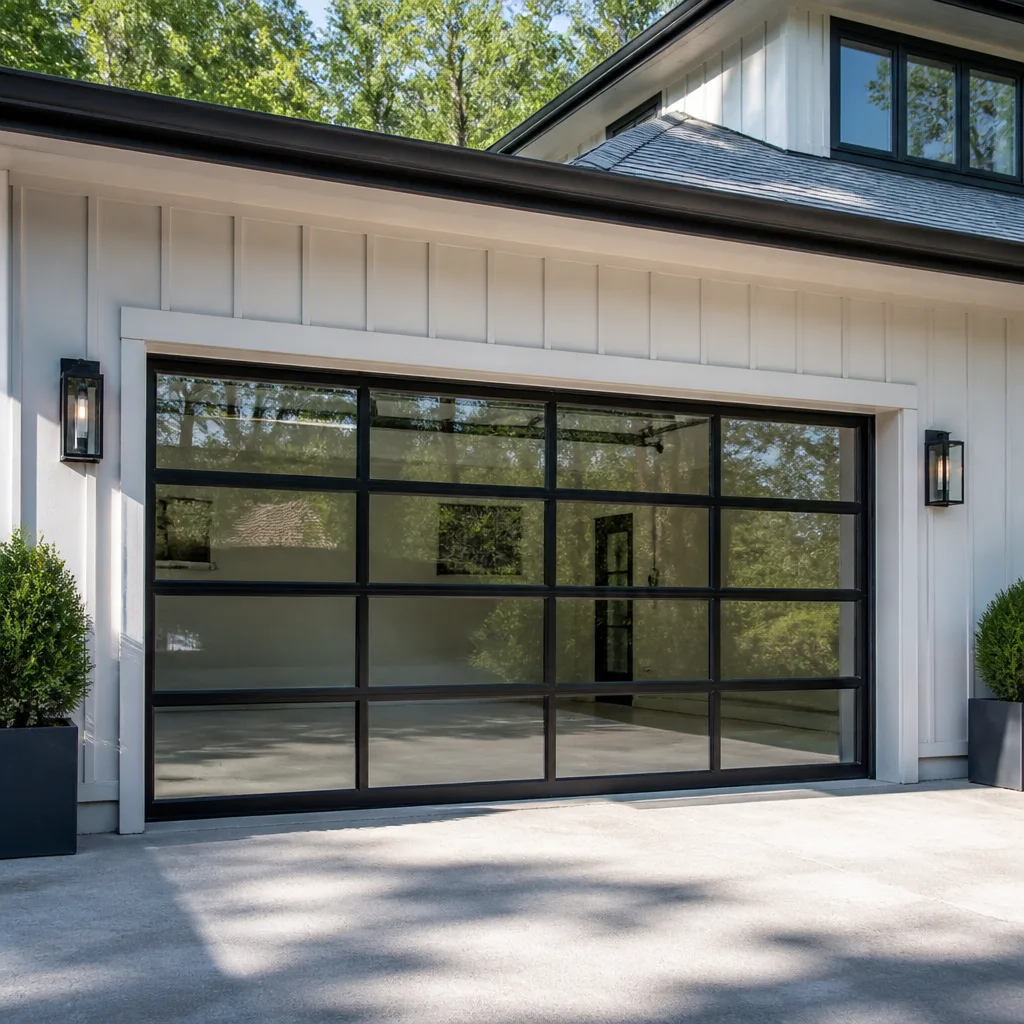 Full-view glass
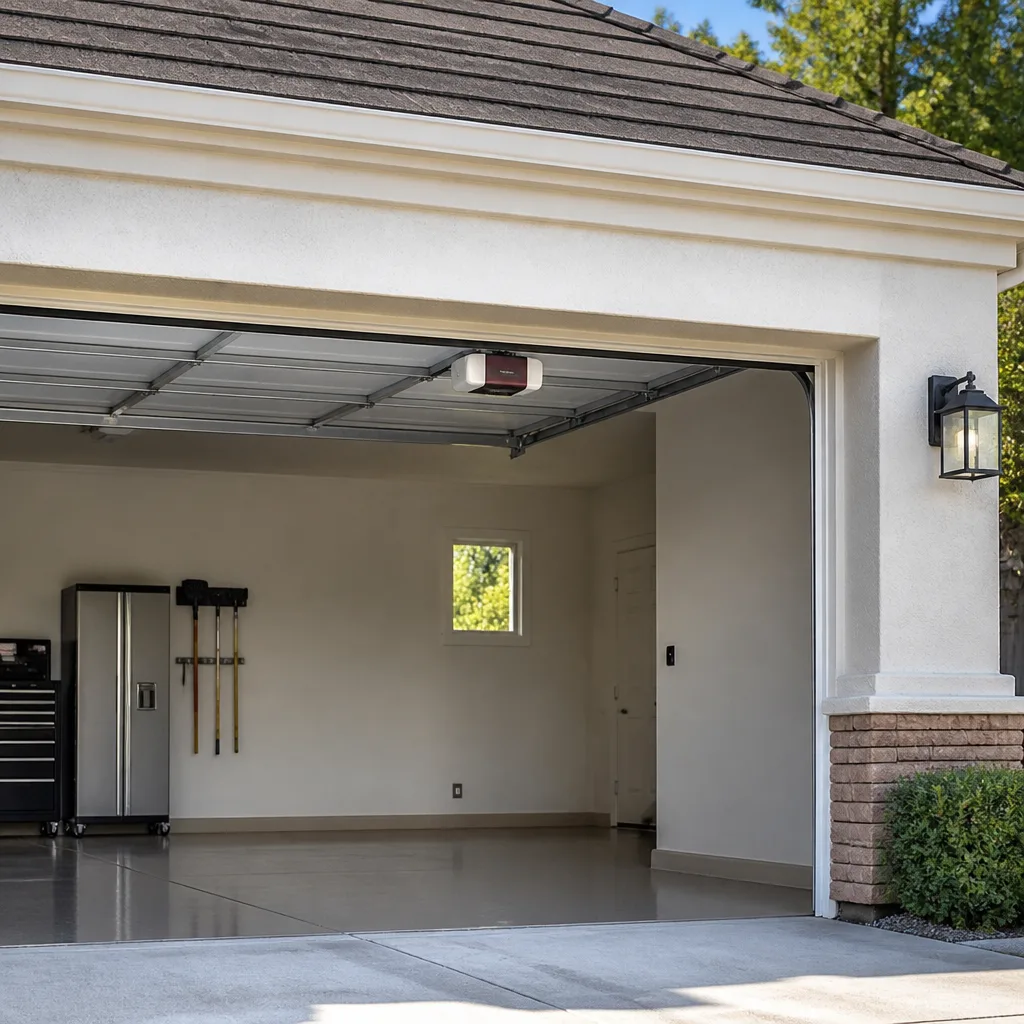 LiftMaster openers
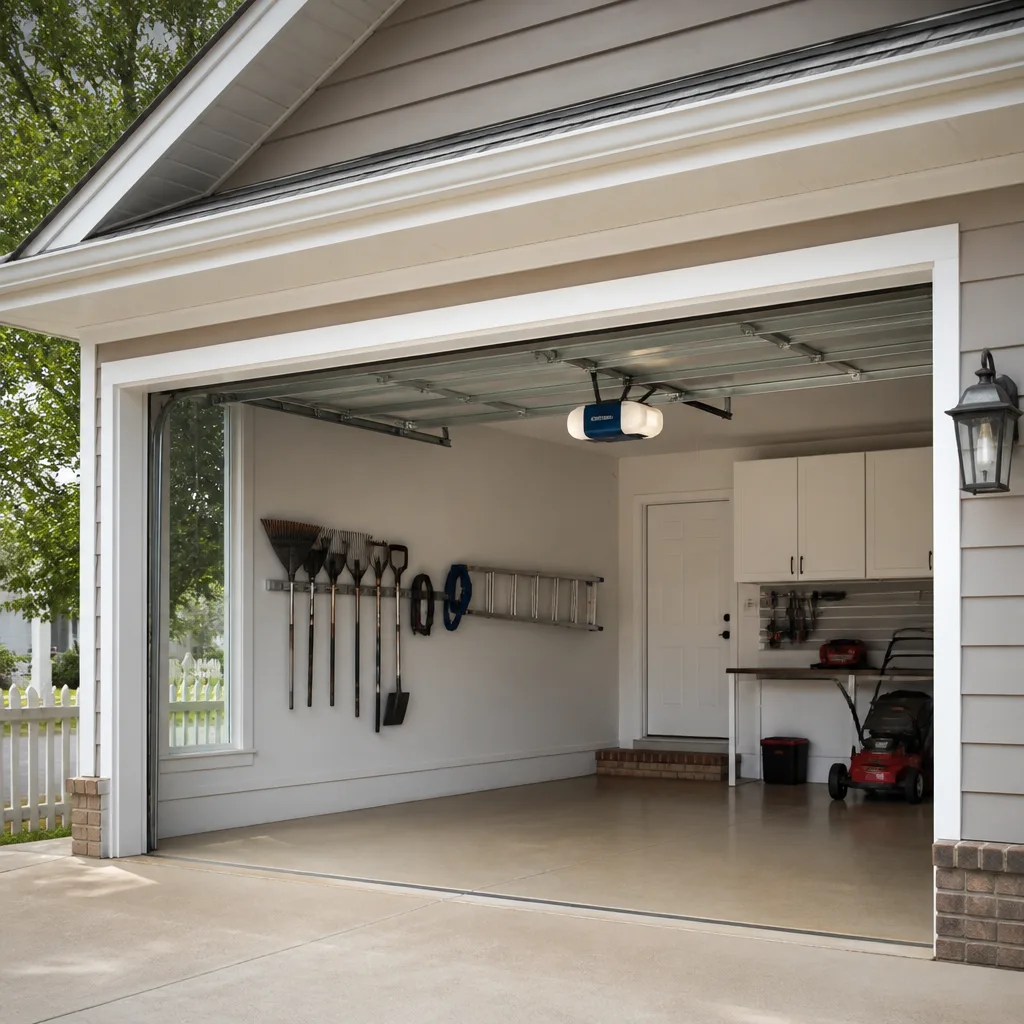 Chamberlain openers
Full 25-point door and opener safety check with every visit - springs, cables, rollers, tracks, and your LiftMaster or Chamberlain opener included
You get a price before we start. It does not change when the pro arrives.
Get your free estimateGarage Door Permits, Codes & Inspections in Mount Laurel, NJ: What You Need to Know
Most homeowners in Mount Laurel assume a garage door replacement needs no permit at all. That assumption is the one we see cause the most trouble. New Jersey’s Uniform Construction Code doesn’t treat every garage door job the same, and the line between a permit-free like-for-like swap and work that needs a township permit is thinner and more specific than most contractors bother to explain upfront. A new door in a modified opening, a new opener circuit, or a changed header can all pull you into the permitting process. This guide walks through exactly when a permit is required, how Mount Laurel Township’s residential process works, what a missed permit can mean at resale or insurance, and how to confirm your contractor pulled the right paperwork before any work starts.
Quick Answer
In Mount Laurel, a like-for-like garage door replacement (same size, same opening, no structural change) generally does not require a building permit, but new installations, structural opening modifications, and new electrical work for an opener usually do. The only way to be certain for your address is to call Mount Laurel Township’s construction office and describe the work in plain terms before you sign anything. A five-minute call prevents a problem that can cost far more to fix later.
Styles & brands we work with
- Raised-panel steel
- Carriage house
- Modern flush
- Full-view glass
- LiftMaster openers
- Chamberlain openers
Table of Contents
- How New Jersey’s UCC Treats Garage Door Work
- When You Actually Need a Permit in Mount Laurel
- Mount Laurel Township’s Permit Process, Step by Step
- Fire-Rated Doors Between Attached Garages and Living Space
- What a Failed Home Inspection Really Costs to Fix
- How to Confirm Your Contractor Pulled the Right Permit
- Why South Jersey Weather and Housing Shape the Work
- Common Mistakes to Avoid
How New Jersey’s UCC Treats Garage Door Work
New Jersey’s Uniform Construction Code is the statewide framework that governs building, electrical, plumbing, and fire subcodes. It’s administered locally, which means Mount Laurel Township’s construction office enforces it for homes inside the township. The UCC doesn’t single out garage doors with one neat rule. Instead, the door work falls under the building subcode, and opener wiring falls under the electrical subcode. That split is where confusion starts, because a job can touch one, both, or neither.
The practical distinction comes down to whether you’re replacing something in kind or changing the building. A same-size door going into the same opening, with the same track layout and the same spring system, is a maintenance replacement. A door in a different size, a raised header, a widened opening, or a new electrical circuit for an opener is construction work. The first usually slides by without a permit. The second usually doesn’t.
We work on Raynor, LiftMaster, and Chamberlain equipment across Mount Laurel, and the permit question comes up on nearly every installation estimate. Homeowners often hear “you don’t need a permit for a garage door” from a friend or a website and stop there. The safer approach is to let the township confirm it. Their construction office fields these questions routinely and would rather answer them before the work than inspect after.
Two things are true at once here. Most straightforward replacements don’t need a permit. And the exceptions are common enough that you shouldn’t assume your job is one of the simple ones without checking.
When You Actually Need a Permit in Mount Laurel
Here’s the breakdown we give homeowners when they ask. These categories cover the vast majority of residential garage door projects in Mount Laurel, though the township has the final word on any specific address.
Work that typically requires a permit
- New garage door installation in a new or modified opening. If the rough opening changes size or the framing is altered, that’s structural work under the building subcode.
- Structural modifications to the opening. Raising a header, widening a rough opening, or changing the framing to fit a taller door all fall here.
- New electrical work for an opener. A new circuit, a new outlet dedicated to the opener, or rewiring falls under the electrical subcode and needs an electrical permit.
- Converting a carport or adding an enclosed garage. Anything that creates a new garage space is construction, not replacement.
- Fire-rated door changes between an attached garage and the house. Swapping or altering the separation door touches the fire subcode.
Work that usually does not require a permit
- Like-for-like door replacement. Same size, same opening, same track configuration.
- Spring replacement. This is a repair, not construction. It’s also genuinely dangerous, which is why it belongs with a trained technician. Our garage door spring repair work is a same-visit repair in most cases.
- Opener replacement using existing wiring. Swapping a failed unit for a new one on the existing circuit is typically permit-free.
- Panel replacement, roller and hinge service, track adjustment, and routine tuning.
If your project sits anywhere near the line, call the township. The answer costs nothing and settles the question.
Mount Laurel Township’s Permit Process, Step by Step
Residential permits in Mount Laurel run through the township’s construction office, which handles applications, plan review, and inspections for the building and electrical subcodes. The exact forms and fees change from time to time, so confirm current requirements directly with the office rather than relying on a secondhand list. Here’s how the process generally unfolds for a garage door project that needs a permit.
- Describe the scope accurately. Call or visit the construction office and explain what’s changing: door size, opening dimensions, framing, and any new electrical work. Vague descriptions lead to the wrong permit type.
- Submit the application with the required documents. For a straightforward replacement in a modified opening, that’s often a short form plus a description or simple drawing. Structural changes may need more detail.
- Pay the permit fee. Residential permit fees are set by the township and scale with the value and type of work. Ask for the current schedule when you apply.
- Wait for review. Simple residential applications typically move through review in a matter of days rather than weeks, though turnaround depends on the office’s workload and the completeness of your submission. Build that window into your installation schedule so you’re not waiting on paperwork with a door sitting in the driveway.
- Complete the work, then request inspection. The inspection confirms the installation matches what was permitted. Electrical work gets its own inspection.
- Keep the closed permit. A closed permit with a passed inspection is your proof of compliance. Hold onto it with your home records.
Planning an install? Our Garage Door Repair Mount Laurel page covers how we sequence a replacement around permit timing. On installations, we don’t promise same-day work, and you shouldn’t expect it. Measure, order, permit, and scheduling all take time, and a written price beats a rushed one.
Fire-Rated Doors Between Attached Garages and Living Space
This is the code point installers skip most often, and it matters in Mount Laurel’s housing stock, where attached garages are common in neighborhoods like Ramblewood, Timbercrest, and the developments off Fellowship Road. New Jersey’s residential code treats the wall and door separating an attached garage from the living space as a fire separation. The door between them is a fire-rated assembly, not a standard interior door.
When a garage door replacement or opening modification touches that separation, the fire rating has to be maintained. A standard hollow-core door swapped in because it was cheaper breaks that separation. So does removing or altering the self-closing hardware on a rated door. If your project involves that door, the fire subcode comes into play, and it’s a separate review from the building permit.
Fire-rated door hardware wears out. Self-closers lose tension, and the door stops latching on its own. That’s a repair, but the correct repair keeps the rated assembly intact. We’d rather flag it during an estimate than have it surface during a township inspection or a home sale.
The practical takeaway: don’t let a contractor treat the door between your garage and your kitchen as interchangeable with any other interior door. It isn’t.
What a Failed Home Inspection Really Costs to Fix
When an unpermitted garage door replacement shows up during a home inspection or a title search, the fix is rarely just a permit fee. The cost has three parts: the retroactive permit itself, any corrections the township requires to bring the work into compliance, and the delay to your closing. The third one is usually the expensive part.
Here’s how remediation typically unfolds, and why it’s worth avoiding.
- The buyer’s inspector flags the work. Unpermitted construction surfaces in municipal records, and inspectors check for open permits and obvious structural changes.
- The township requires a retroactive permit application. That means an application, often a plan or description of what was done, and fees that can run higher than a permit pulled upfront.
- An inspection determines whether the work is compliant. Sometimes it passes. Sometimes the opening, framing, or electrical work has to be corrected before it will.
- Corrections get made, then re-inspected. Each round adds time, and a closing date that depended on a clean inspection slips.
- The sale closes late, or the seller credits the buyer. Either way, the unpermitted work costs more than doing it right would have.
We’ve seen this pattern enough to say it plainly: the premium for pulling the right permit is small next to the cost of discovering the problem during a sale. If you’re planning a replacement and want it handled correctly, our garage door repair team can talk through what your specific job needs before it starts.
How to Confirm Your Contractor Pulled the Right Permit
Don’t take “we’ll handle the permit” on faith. A few specific questions, asked before work begins, prevent nearly every problem.
- Ask which permit type applies and why. Building, electrical, or fire subcode. If the contractor can’t tell you, that’s your answer.
- Ask when the permit will be pulled. It should be pulled before the work starts, not after. A permit applied for after the fact is a red flag.
- Get the permit number once it’s issued. The township can confirm it’s real and matches your address.
- Confirm who schedules the inspection. The contractor should coordinate it, and you should get the result.
- Ask for the closed permit at the end. A closed permit with a passed inspection is the record you want for your files.
- Check that the contractor is properly licensed for the work. New Jersey requires contractors working on residential projects to be registered with the state Division of Consumer Affairs. Ask for it. The local pro is licensed and insured as their state requires, and confirming that before work begins is normal due diligence.
If a contractor dodges these questions or says permits are never needed, get a second opinion. Our people would rather answer them straight.
Why South Jersey Weather and Housing Shape the Work
Mount Laurel sits in the South Jersey climate zone, and that has real implications for garage doors and the openings they hang in. Summers bring heat and humidity that work on wood framing, seals, and springs. Winters bring freeze-thaw cycles that stress door seals, weatherstripping, and the concrete aprons under the door. Spring replacement, in particular, becomes more common after a hard winter when a tired spring finally gives.
The housing stock matters too. Mount Laurel has a mix of older homes and newer construction, and the older openings often need more attention than a straight replacement. A door that fit a 1990s opening may not hang correctly in the same framing today if the header has settled. That’s when a replacement edges into the territory where a permit and inspection are worth having.
We work on Genie and LiftMaster openers throughout Mount Laurel, and the same pattern shows up: a door that’s mechanically sound but mounted in framing that needs adjustment. Getting that adjustment right the first time is where the township inspection helps, because it confirms the work meets code rather than just looking fine from the driveway.
Nothing on this page is a substitute for checking with the township. The climate and housing notes are context, not a permit ruling.
Common Mistakes to Avoid
- Assuming every garage door replacement is permit-free. Like-for-like is usually fine, but changing the opening size or adding an opener circuit usually isn’t. Ask the township for your specific address.
- Pulling the permit after the work is done. A retroactive permit costs more and can trigger corrections. Pull it before the door comes off the hinges.
- Skipping the fire-rated separation door. In Mount Laurel’s attached-garage homes, that’s a real code requirement, and a standard interior door doesn’t satisfy it.
- Letting an unregistered contractor do the work. New Jersey requires state registration. Check it before you sign, not after a problem.
- Ignoring an opener’s electrical source. New wiring for an opener is electrical work. Reusing the existing circuit is different, and the township will tell you which applies.
- Losing the closed permit. It’s your proof of compliance at resale. Keep it with the deed and inspection records.
- Treating the garage door as one more handyman task. Springs and opener wiring carry real risk. A trained tech with the right tools and a proper permit is the safer route, and the one that holds up.
See the difference
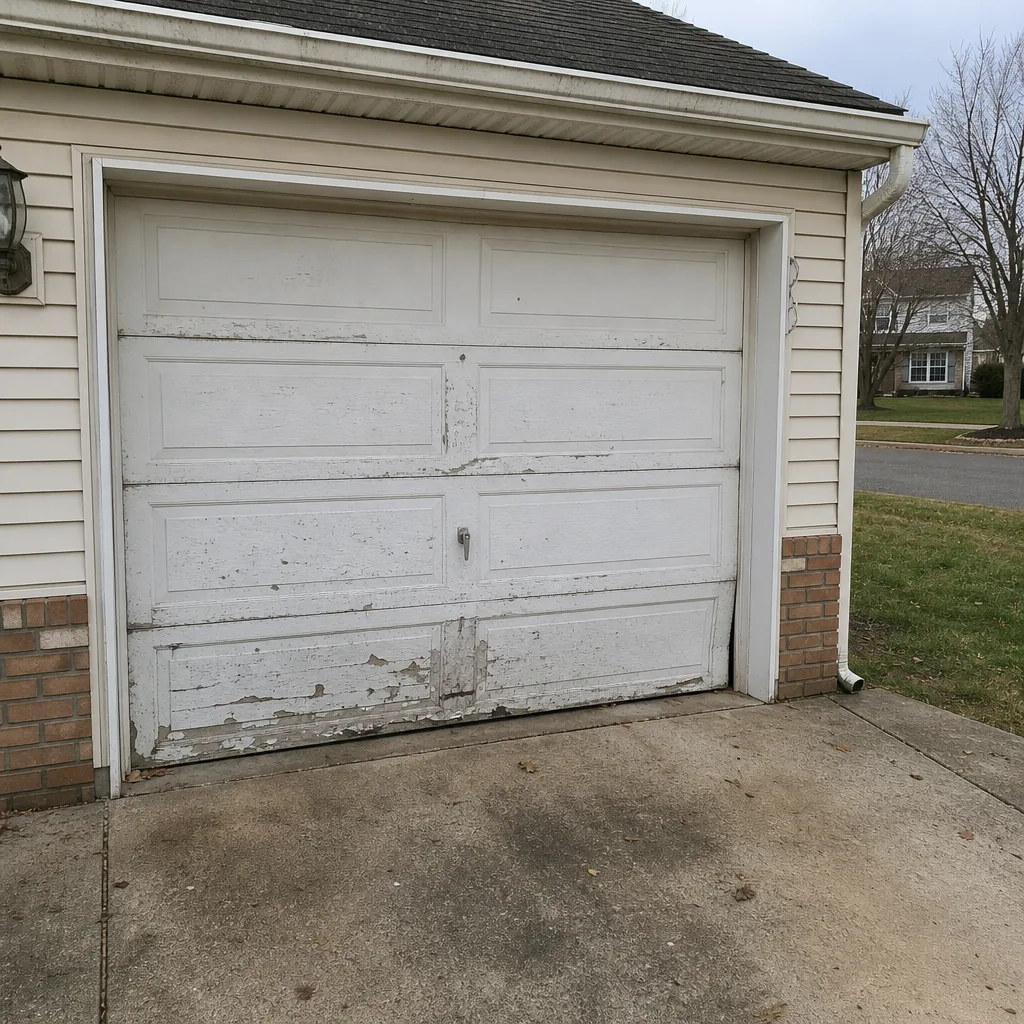 Before
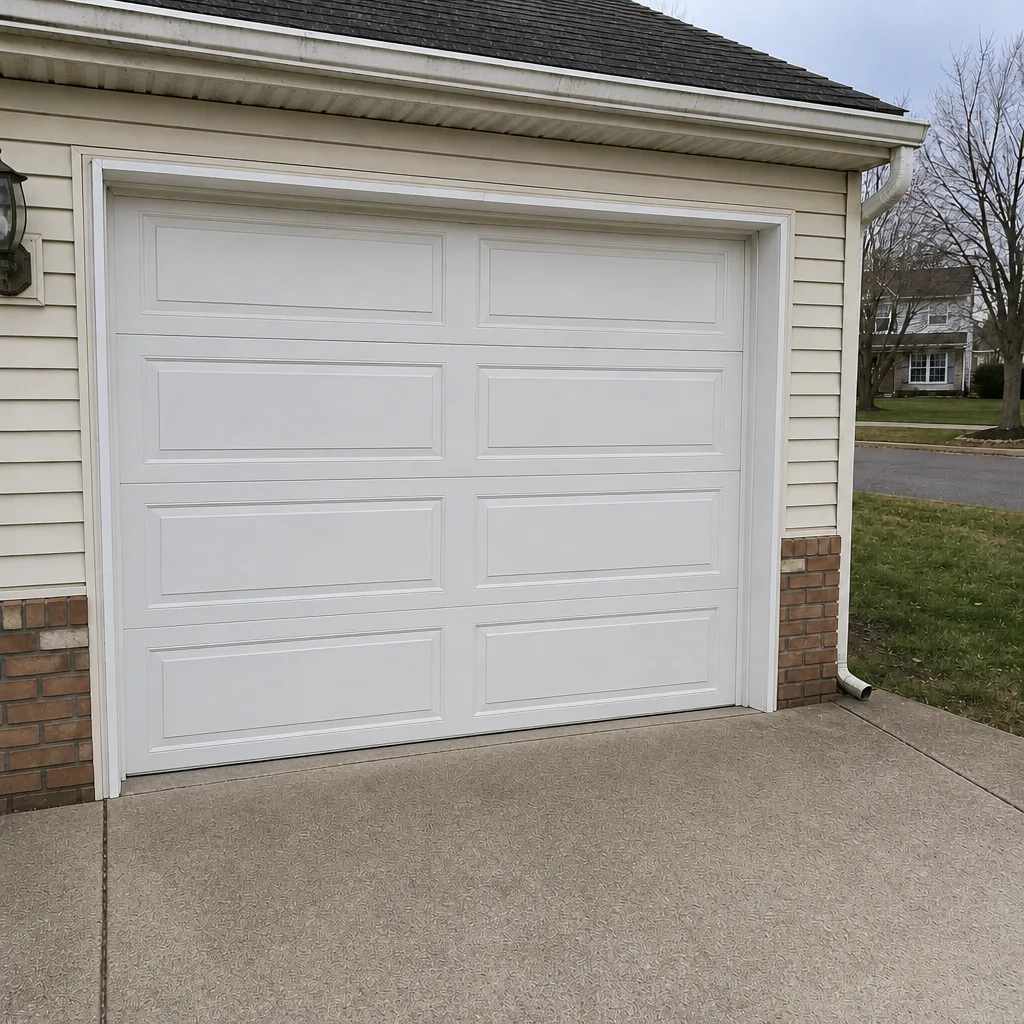 After
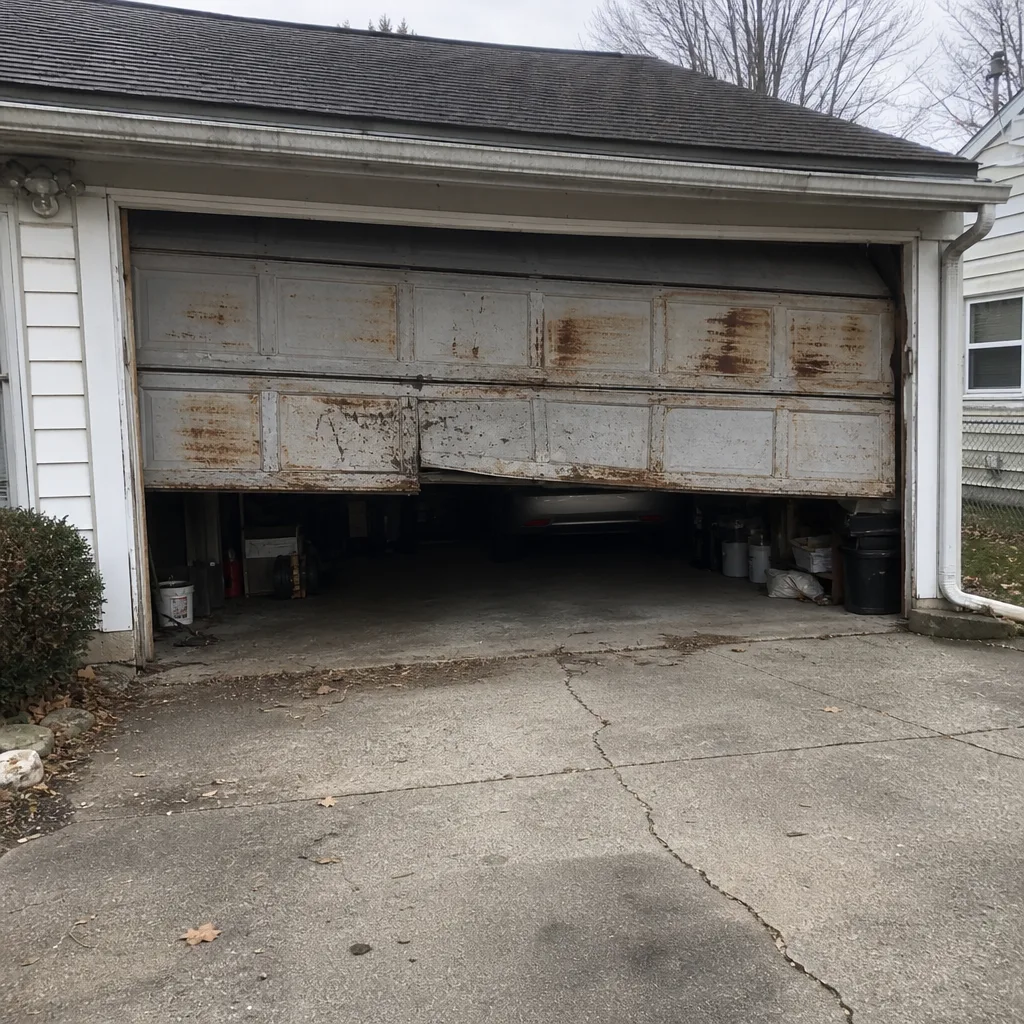 Before
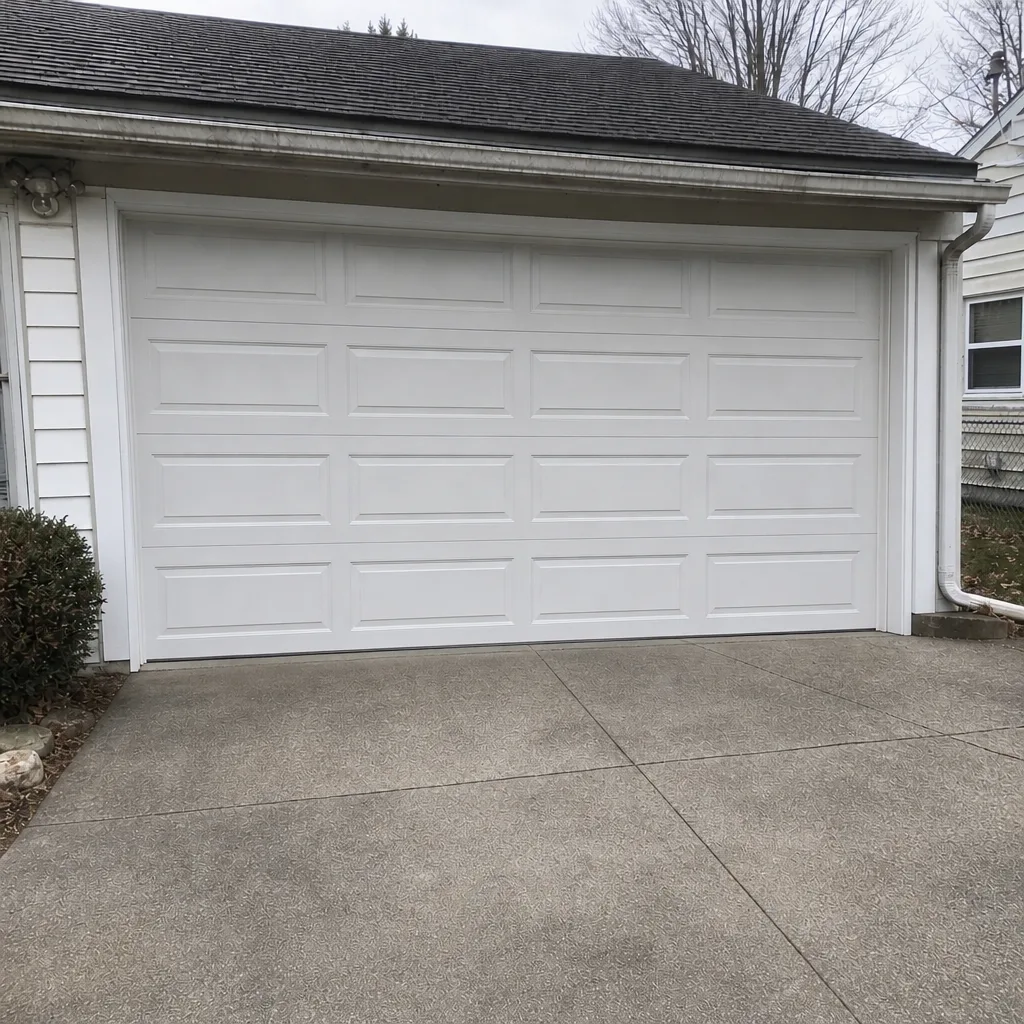 After
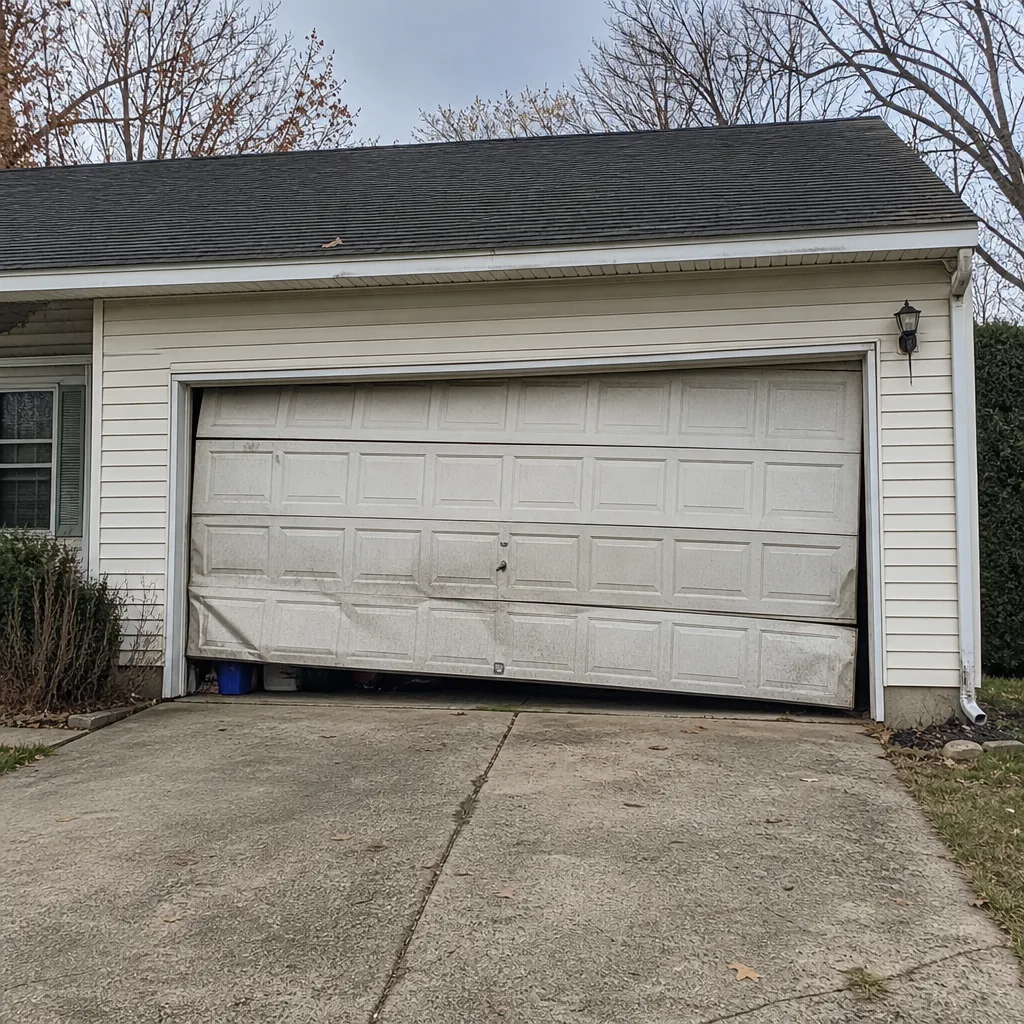 Before
 After
When to Call a Professional
Call a professional when a spring snaps, when the opener fails or begins shifting the door unevenly, when a panel or roller is damaged, or when you’re planning any replacement where the opening might be changing. Spring work is the one you absolutely don’t attempt yourself: a high-tension spring under load can cause serious injury without the right tools and training. Electrical work at the opener deserves the same caution. If you’re in Mount Laurel and the door is stuck, call us and we’ll get you on the schedule. Garage Door Repair Mount Laurel offers free estimates in Mount Laurel, and we’ll quote and agree the price before any work starts. Call (844) 292-9001.
Frequently Asked Questions
Usually not, if it’s a like-for-like replacement with no change to the opening, framing, or electrical work. If the opening size changes or you’re adding an opener circuit, a permit is likely required. Call Mount Laurel Township’s construction office to confirm for your address. Call (844) 292-9001 for a free estimate on the work itself.
A simple residential permit application typically moves through review in a few days, though it depends on the office’s workload and how complete your submission is. Build a week or so into your installation schedule so the door doesn’t sit waiting for paperwork. The township can give you the current turnaround when you apply.
The unpermitted work can surface during a home inspection or title search, and the buyer’s inspector will flag it. You’d then need a retroactive permit, possibly corrections, and re-inspection, all of which can delay the closing. Getting the permit upfront is far cheaper than fixing it during a sale.
It depends on the electrical scope. Replacing an opener on the existing wiring usually doesn’t need a permit, but adding a new circuit or outlet for it typically does. Ask the township which applies to your setup. If you want an opener checked or replaced, call (844) 292-9001.
The contractor should pull the permit and coordinate the inspection, and you should confirm the permit number and get the closed permit at the end. The local pro is licensed and insured as their state requires. If a contractor won’t show you the permit, don’t hire them.
Yes. Most repairs, including spring, roller, and opener service, don’t need a permit because they aren’t construction. Our team handles garage door opener repair and spring work as same-visit repairs in most cases. Call (844) 292-9001 for a free estimate.
The Bottom Line
Mount Laurel’s garage door permit rules come down to one question: are you replacing in kind, or changing the building? Like-for-like swaps usually don’t need a permit. New installations in modified openings, structural changes, new opener electrical work, and changes to the fire-rated door between your garage and living space usually do. Confirm the answer with the township before work starts, check that your contractor is state-registered and pulls the permit upfront, and keep the closed permit with your records. Our technicians have up to 9 years of experience with the hardware and the paperwork, and we’ll quote and agree the price before any work begins.
Ready to get your garage door back in working order? Call (844) 292-9001 for a free estimate in Mount Laurel. We handle spring, opener, panel, and full door work, and we’ll tell you the right fix, not the fastest upsell.
Written by the team at Garage Door Repair Mount Laurel.