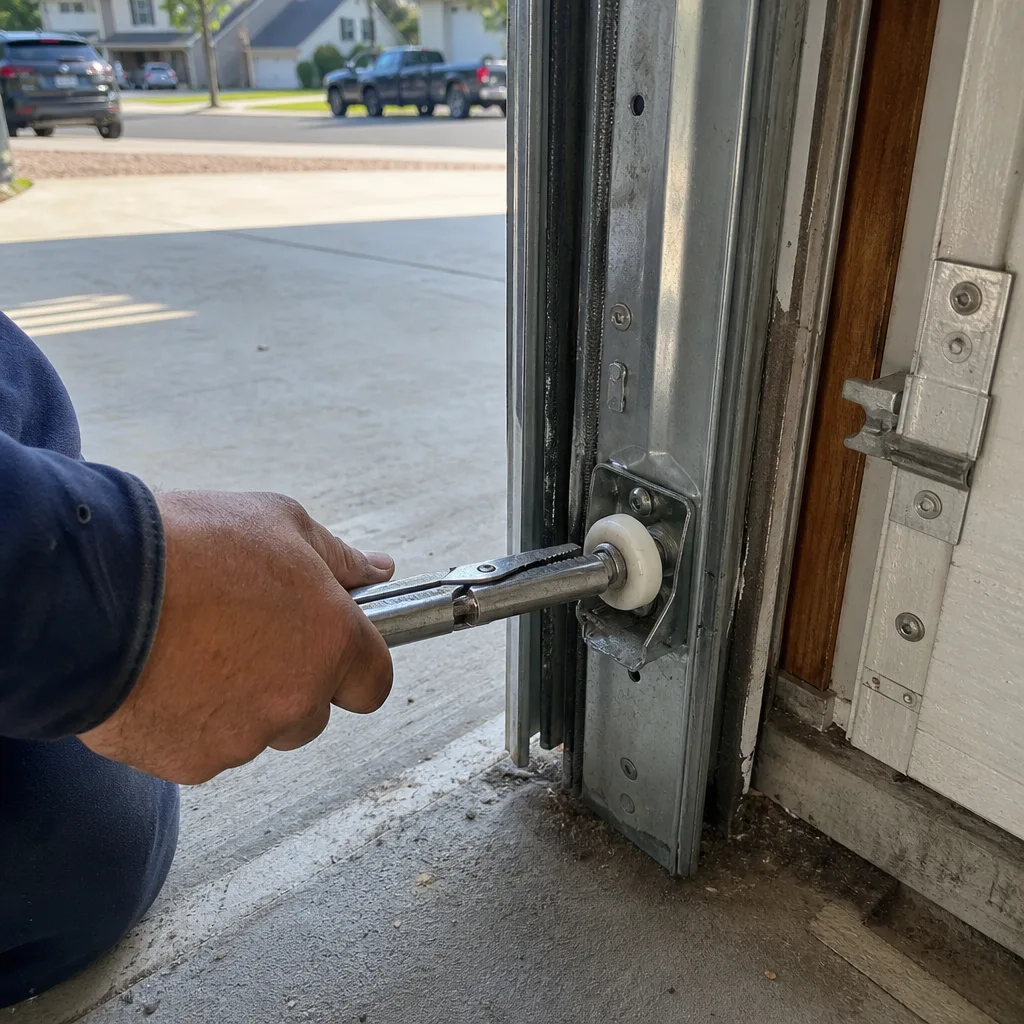
Last updated November 21, 2026
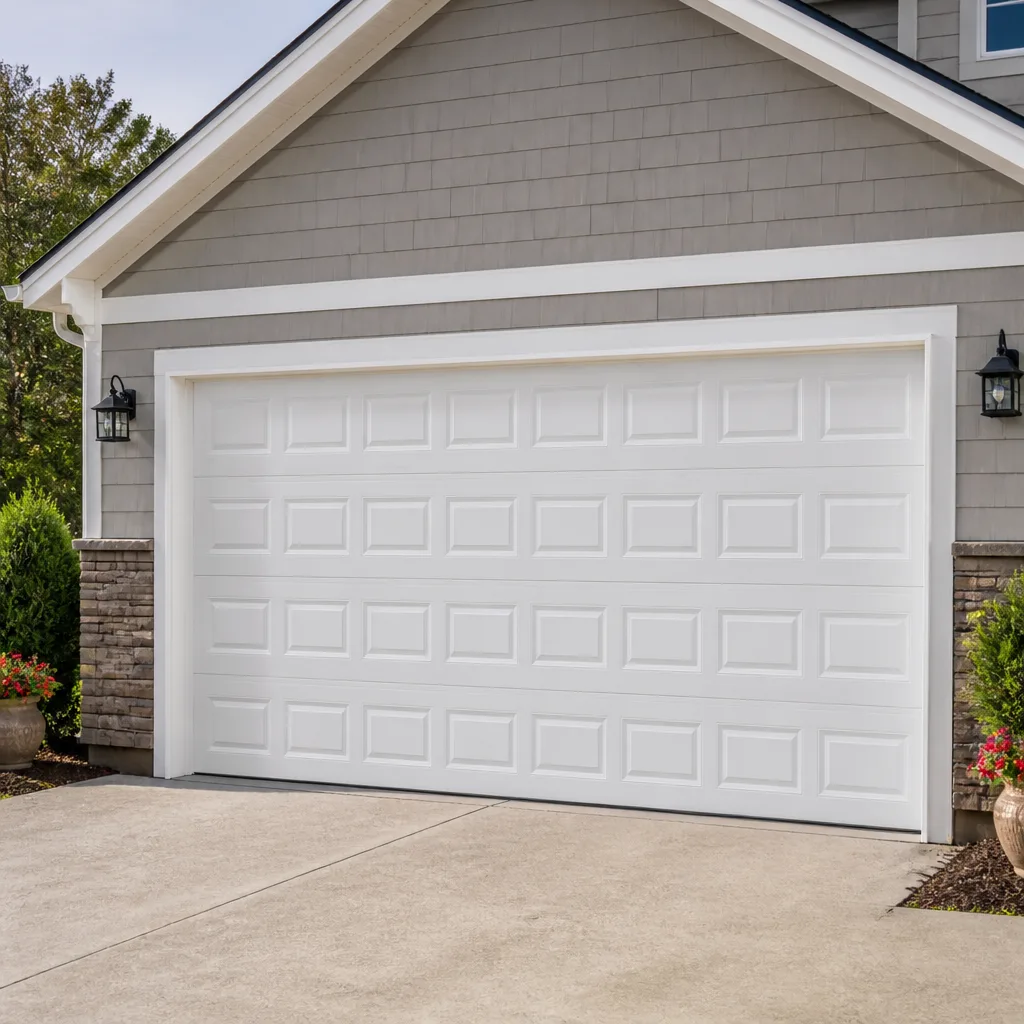 Raised-panel steel
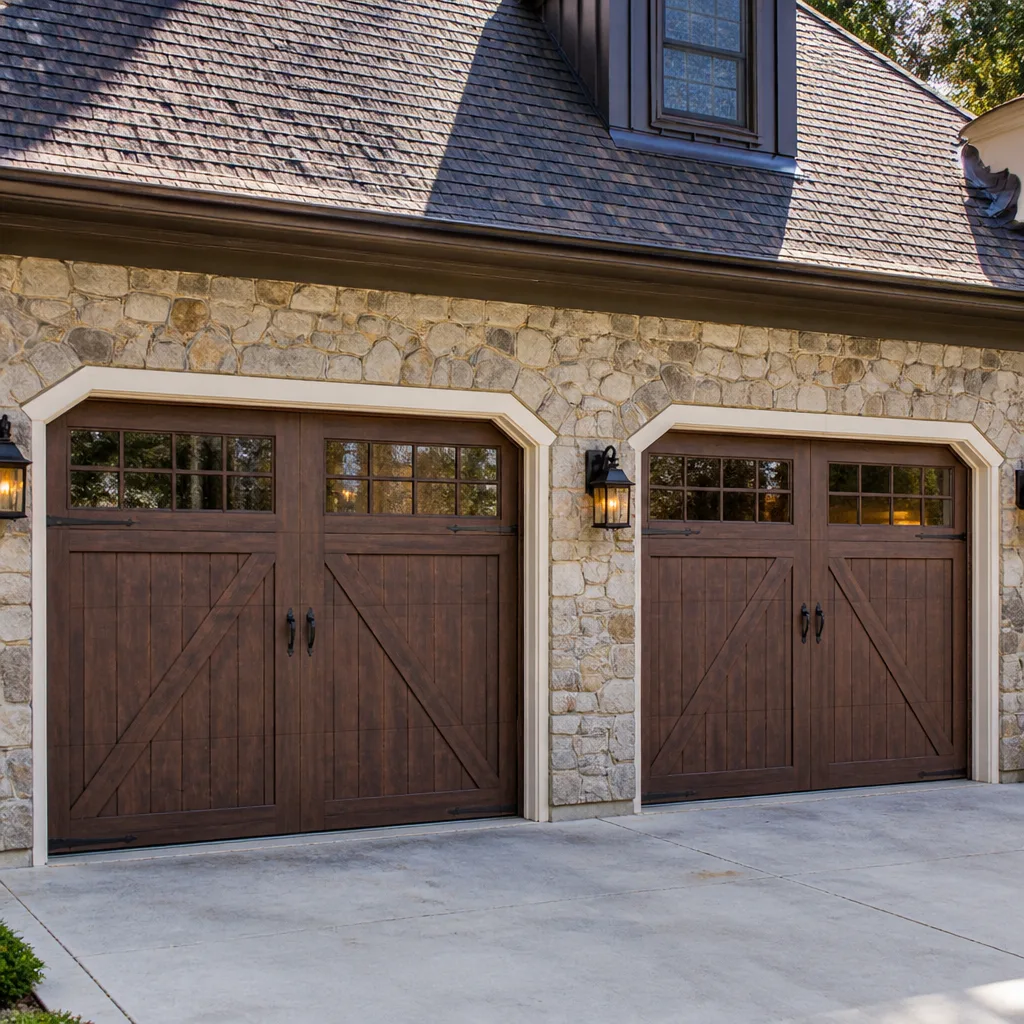 Carriage house
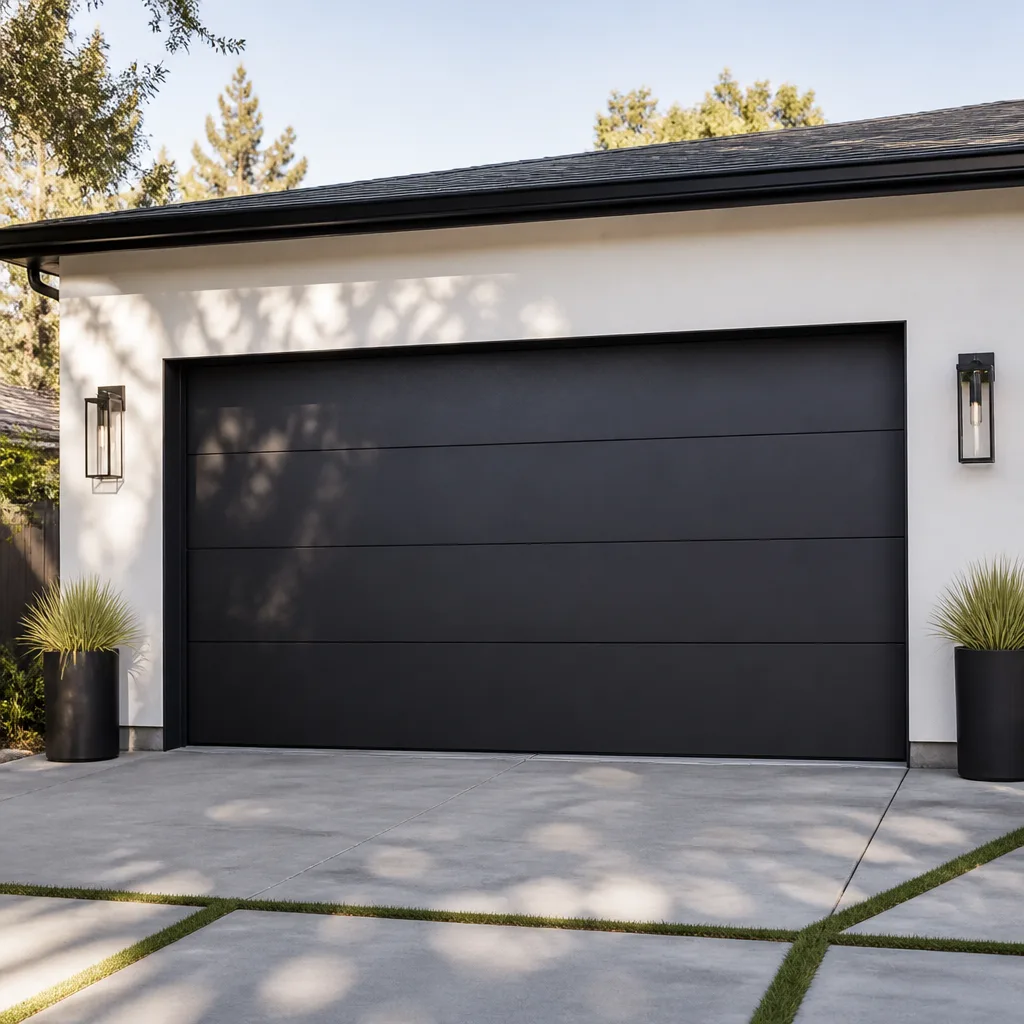 Modern flush
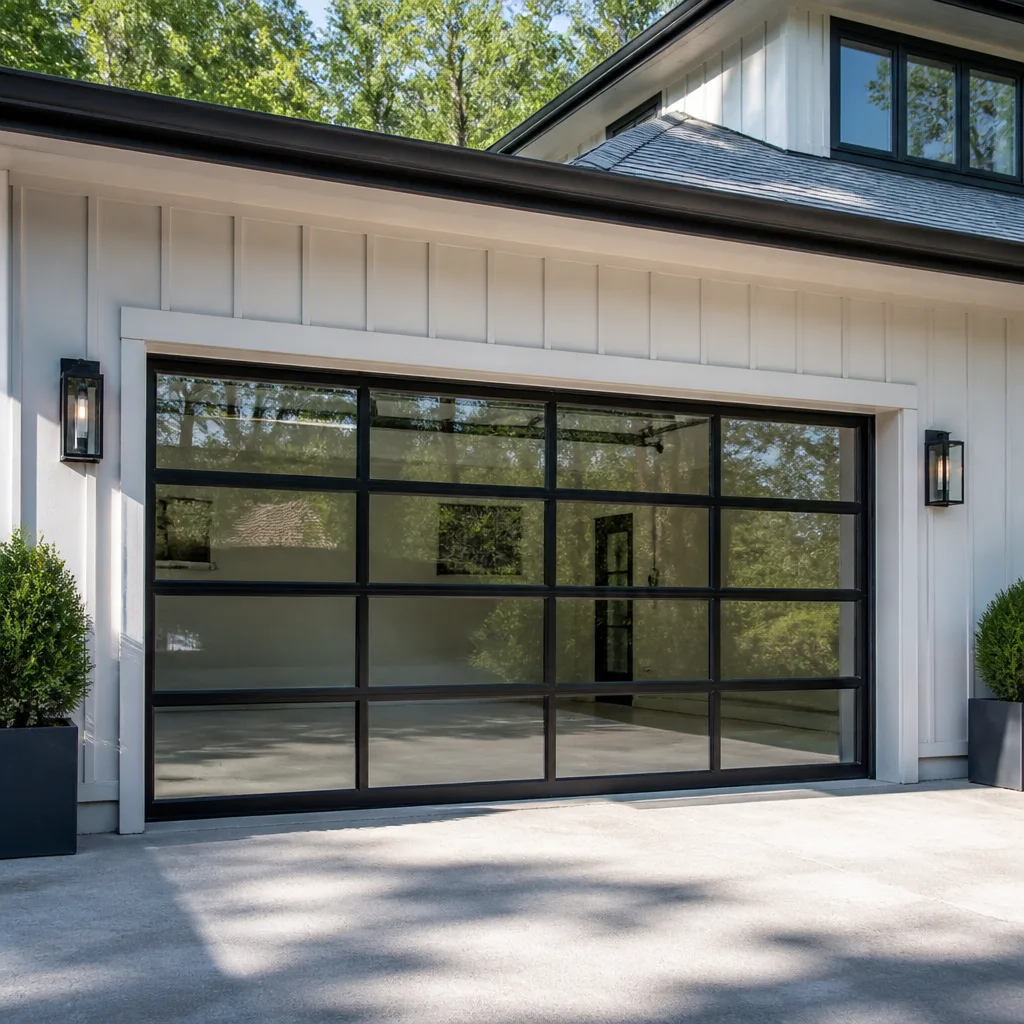 Full-view glass
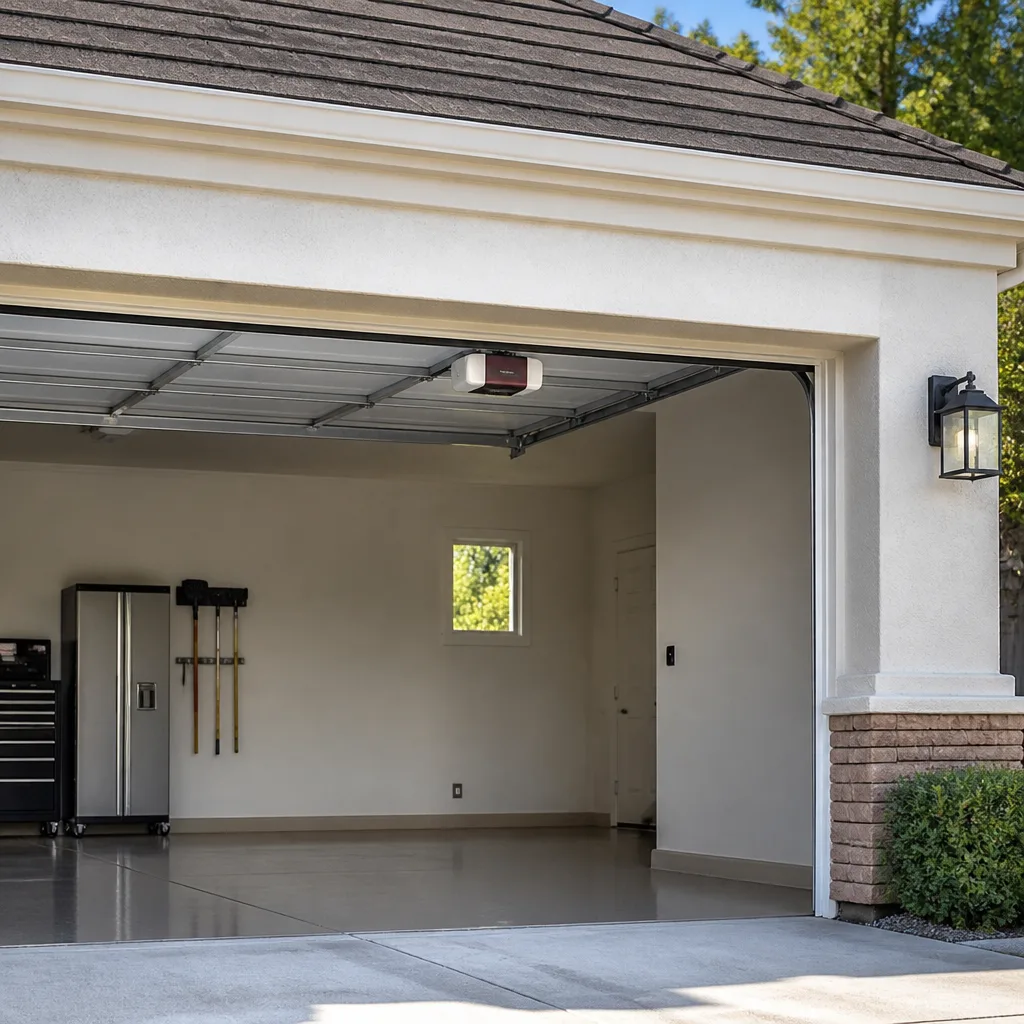 LiftMaster openers
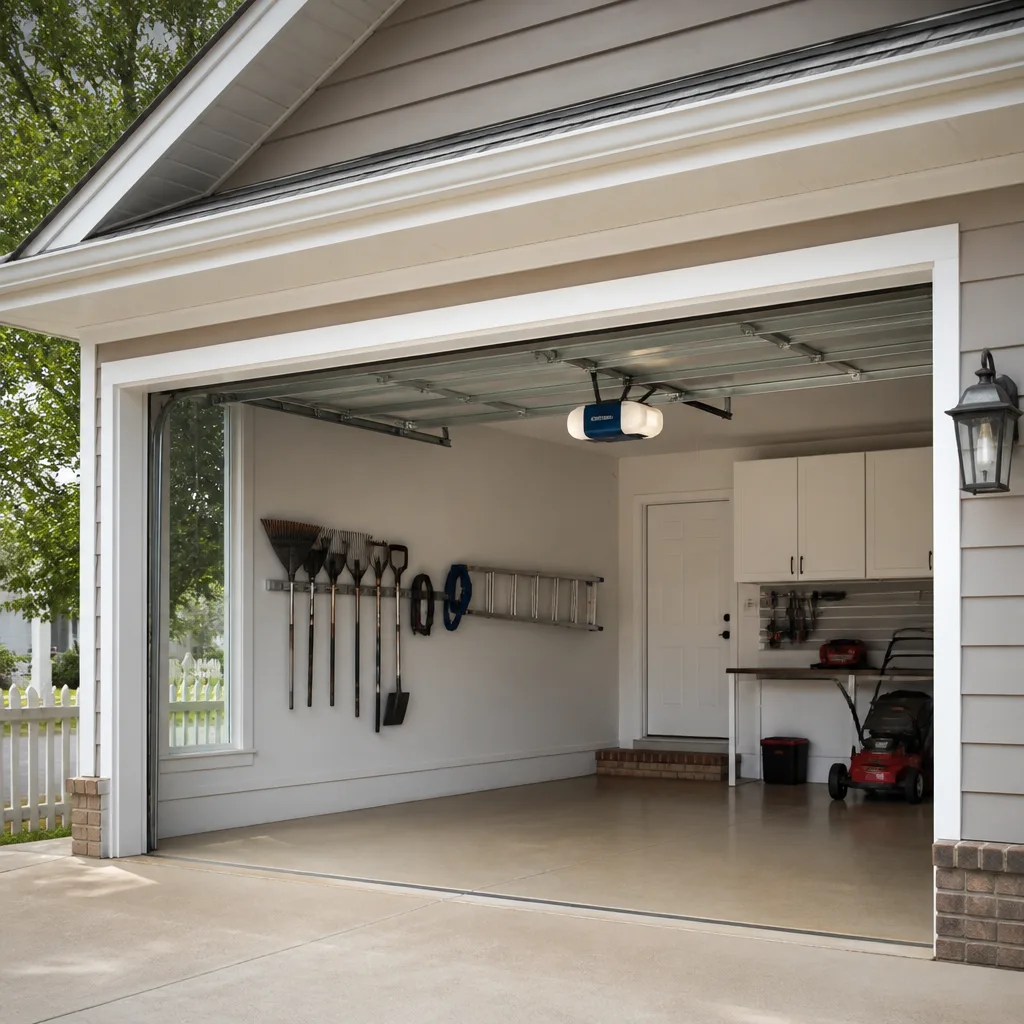 Chamberlain openers
Full 25-point door and opener safety check with every visit - springs, cables, rollers, tracks, and your LiftMaster or Chamberlain opener included
You get a price before we start. It does not change when the pro arrives.
Get your free estimateSeasonal Garage Door Care for Mount Laurel: Year-Round Homeowner’s Guide
A garage door that works fine in October can fail by January, and not because anything actually broke. The lubricant that glides smoothly at 60°F turns thick and tacky at 20°F, and if nobody re-applied the right product before the cold settled in, your rollers start to bind and your opener starts to strain. Most homeowners treat garage door care as one annual task, or none at all. In Mount Laurel, where summers run humid and winters swing below freezing, the hardware on your door faces real seasonal stress. This guide breaks the year into four parts and tells you what to check, when to check it, and where the risks actually sit.
Quick Answer
Seasonal garage door care in Mount Laurel means four distinct checkpoints: a fall inspection of weatherstripping and the door bottom before leaf debris builds up, a winter switch to cold-rated lubricants, a spring safety check on cables and springs after the freeze-thaw cycle, and a summer review of finish and humidity-related swelling on wood doors. Doing the right task at the right time of year matters more than doing more tasks overall.
Styles & brands we work with
- Raised-panel steel
- Carriage house
- Modern flush
- Full-view glass
- LiftMaster openers
- Chamberlain openers
Table of Contents
- Why Seasonal Care Matters More in Mount Laurel
- Fall: Weatherstripping and Debris Timing
- Winter: Lubricants That Actually Work Below Freezing
- Spring: The Highest-Risk Season for Springs and Cables
- Summer: Humidity, Wood Doors, and Finish
- Your One-Page Seasonal Task Calendar
- Common Mistakes to Avoid
- When to Call a Professional
Why Seasonal Care Matters More in Mount Laurel
Mount Laurel sits in a climate band that gives garage door hardware a genuine workout across all four seasons. Summer humidity, fall leaf drop, a hard winter freeze, and a wet spring thaw all land on the same piece of equipment: a door that opens and closes multiple times a day, every day. The hardware doesn’t get a break. Rollers, hinges, springs, cables, and weatherstripping each respond differently depending on the temperature and moisture level that week.
That’s why the calendar matters. A door that gets oiled in July and then left alone until the following July is being maintained on the wrong schedule. The lubricant applied in summer may not hold up through a cold snap. The weatherstripping that looks fine in June can crack and split by November. The spring that functioned perfectly in fall has gone through hundreds of load cycles by the time spring arrives.
We work on doors across every part of Mount Laurel, from older homes with Wayne Dalton hardware to newer builds with Clopay doors and LiftMaster openers, and the pattern holds regardless of the brand. The doors that hold up best aren’t the ones getting the most attention. They’re the ones getting the right attention at the right time.
The seasonal approach also catches small problems before they turn into emergency calls. A roller that’s starting to bind in cold weather is a cheap fix. The same roller binding for weeks can wear the opener’s gear assembly or throw the door off track. Timing the inspection matters as much as the inspection itself.
One more point about the Mount Laurel climate: the swing from summer to winter here is real, often 40 degrees or more between a July afternoon and a January morning. That swing works on every moving part of your door, expanding and contracting metal, drying out seals, and stressing the finish on wood surfaces. If you build your maintenance around the seasons rather than the calendar year, you’re working with the climate instead of against it.
Fall: Weatherstripping and Debris Timing
Fall is the season when most homeowners think about raking leaves. For your garage door, fall is the season to inspect the bottom seal and weatherstripping before debris starts to build against them. Leaf-fall here runs from late October into November, and a door bottom that’s already compromised will let in moisture, cold air, and small debris with every opening and closing cycle.
Here’s what to check in fall, and what each check tells you:
- The bottom seal: Run your hand along the rubber or vinyl flap that sits on the ground when the door is closed. It should be flexible and springy. If it’s stiff, cracked, or torn, cold weather will finish the job and you’ll be sealing gaps with a tarp by December.
- Side and top weatherstripping: Look for flattening, gaps, or pieces pulling away from the frame. A gap of even a quarter inch lets in enough cold air to frost the interior of the door in January.
- The door bottom track channel: Leaves, grit, and small twigs collect in the channel that the bottom of the door slides into. Debris in that channel can jam the door before it fully closes, which stresses the opener and can trigger the safety reverse.
- Threshold: Check where the door meets the concrete. Sunken or cracked thresholds allow water to pool along the bottom seal, and that accelerates rot on wood doors and rust on steel doors.
- Exterior hardware: Hinges, rollers, and the lift handles take exposure to leaf tannins, moisture, and temperature swings. Look for rust bloom or cracking around fasteners.
Fall is also the right time to clear gutters and downspouts above the garage door. Water that runs off the roof and down the face of the door during fall rain accelerates seal wear and finish damage. If the downspout dumps directly in front of the door, rerouting it a few feet away is a small change that makes a real difference over a winter.
We get called to a lot of Mount Laurel homes in late November and December for doors that won’t close cleanly, and the cause is almost always a seal that was already compromised in October. A short inspection before leaf-fall turns into leaf-jam saves the call.
Winter: Lubricants That Actually Work Below Freezing
This is the point most seasonal guides skip, and it’s the one that matters most in January and February. Not all garage door lubricants perform the same way when the temperature drops. Some products that work beautifully at room temperature get stiff, tacky, or nearly solid below freezing. When that happens, your rollers bind, the door lags, and the opener has to work harder to move it.
Here’s what to look for and what to use:
- Lithium grease (white lithium): This is the standard garage door lubricant and it holds up well in cold temperatures. It goes on the hinges, the roller stems, and the bearing plates at each hinge. A light coat is enough; more is not better.
- Silicone spray: Excellent for the weatherstripping and for the tracks, and it stays fluid in cold weather. It’s the right product for the door’s rubber seals because it won’t degrade the material.
- PTFE or Teflon-based lubricant: Another good option for hinge and roller contact points when you want low-residue, cold-stable lubrication. It stays effective when temperatures dip.
- What to avoid: Standard household oil, WD-40 (the standard formula, not the silicone or specialist variants), and general-purpose grease. These either dry out quickly, attract grit, or thicken in the cold and cause rollers to bind.
- The opener’s drive: Check your opener manual for the specific lubricant recommendation for the rail or the screw drive. Using the wrong product on an opener’s chain or screw can cause noise and wear.
Winter is also the season to watch for cold-related issues that don’t involve lubricants: door hinges that become stiff, weatherstripping that shrinks slightly and leaves gaps, and opener units in unheated garages that are slower to respond in deep cold. If your opener is a LiftMaster or Chamberlain unit with a battery backup, winter is the time to check that the battery still holds a charge. Cold drains batteries faster than homeowners expect.
We work on all the major opener brands, including Genie, Craftsman, and LiftMaster, and the cold-weather behavior differs from brand to brand. If you’re not sure which lubricant is right for your specific setup, it’s worth asking before you apply anything. The wrong product in December can turn a smooth door into a binding one by February.
Spring: The Highest-Risk Season for Springs and Cables
Spring is the highest-risk season for garage door springs and cables, and the reason is straightforward: the hardware has just spent three months cycling through cold weather, with more load, more fatigue cycles, and less flexibility than it had in October. Add a wet spring thaw that brings moisture and temperature swings, and the stress on springs and cables peaks right when many homeowners stop thinking about their door.
This is a safety-critical season, and we want to be direct about that. Garage door springs are under high tension, and the cables connected to them are also under load. Never attempt to adjust, release, or replace a spring or cable yourself. The hardware is under enough tension that a mistake can cause serious injury. A trained technician has the specialty tools and the training to work with high-tension springs safely. What a homeowner can and should do is a visual check that catches warning signs before a spring fails at 7 a.m. on a school morning.
Here’s what a spring safety check should catch:
- Visible spring gaps or separation: If the coil of a torsion spring has a visible break or a clear gap in the winding, that spring has failed. Stop using the door and call us. A door with a broken spring should not be forced open or closed.
- Rust on springs and cables: Small rust spots are common after a winter of moisture exposure, but heavy rust points to fatigue. Rust on the cable is a clearer warning: frayed or rusted cables can snap.
- Cable slack or misalignment: Look at the cables running along the sides. They should be taut. Slack or a cable that has jumped its drum is a call-us-now situation, not a next-month situation.
- Doors that feel heavy or lopsided: If you can lift the door with the opener disconnected and it feels much heavier than usual, or if it lifts unevenly, one spring may already be failing.
- Unusual sounds during operation: A popping, snapping, or grinding sound that wasn’t there in fall deserves a look before it becomes a full failure.
We see a genuine spike in calls for garage door spring repair in Mount Laurel in March and April, and it tracks with the cycle. Winter wear tends to catch up with the hardware in the first warm weeks. If you’ve had a spring fail, our technicians have up to 9 years of experience working with high-tension springs and will handle the replacement safely and correctly.
Spring is also the right season to check your door’s balance. With the opener disconnected, a properly balanced door should lift easily to about waist height and stay there. If it drops or rises on its own, the spring tension needs adjustment by a trained technician.
Summer: Humidity, Wood Doors, and Finish
Summer in Mount Laurel brings the humidity, and for homeowners with wood garage doors, that’s the season that decides whether the finish holds up. Wood absorbs moisture as humidity rises, and the door panels swell. Paint or stain that’s already starting to fail lets moisture under the surface, and the swelling gets worse. Over a few summers, untreated moisture leads to warping, and warped panels don’t close cleanly or seal tightly.
The Clopay and Amarr wood doors we work on most often have this pattern, and the fix is not complicated if you catch it early:
- Inspect the finish on all exposed surfaces: Check the panels, the trim, and the inside faces. Look for peeling paint, cracking stain, or areas where the wood looks darker than the surrounding finish, which signals moisture trapping.
- Touch up chips and cracks before they spread: Small areas of exposed wood absorb water quickly in high humidity. A touch-up coat is a small job that prevents a large one.
- Check the bottom of the door: The bottom rail takes the most moisture from wet concrete and rain splash. Look for softness or discoloration that indicates rot has started.
- Repaint or refinish on a schedule: The general guidance is every few years depending on sun exposure and the type of finish. The Mount Laurel summers make that schedule non-optional for wood doors.
- Ventilate the garage space: A garage that traps humid air will keep the door panels in a stew of moisture. Cracking a window or adding ventilation slows the cycle.
Steel doors have their own summer concerns: humidity can encourage rust bloom around hinges and fasteners, and it can work behind peeling paint in the same way. And warmth is when you’ll notice the wear patterns that have built up over winter, like rollers that need replacing or a door bottom seal that’s no longer making contact.
Summer is also the right time for opener service if you’ve had the door installed or the opener running on the same settings for a while. The settings that were right in cooler weather can feel different in summer heat. Our garage door opener repair team handles service on LiftMaster, Chamberlain, Genie, and Craftsman units and can check that the open and close limits are still correct.
Your One-Page Seasonal Task Calendar
Here’s the practical version. Pin this somewhere, and work through each season’s list at the start of that season.
Fall (September-October)
- Inspect the bottom seal and side weatherstripping for cracks, stiffness, or gaps.
- Clear leaf debris from the door bottom track channel and along the threshold.
- Clear gutters and reroute downspouts away from the door.
- Check the exterior hardware for rust spots and loose fasteners.
- Listen for new sounds during door operation and note them.
Winter (November-February)
- Apply cold-stable lubricant to hinges, rollers, and bearing plates (white lithium, silicone, or PTFE-based).
- Apply silicone spray to weatherstripping.
- Check that the opener’s battery backup, if the unit has one, holds a charge.
- Watch for binding rollers or door lag in cold snaps.
- Avoid forcing a slow or balky door; binding is a symptom to address, not to push through.
Spring (March-May)
- Inspect the springs for visible breaks, gaps, or rust.
- Inspect the cables for slack, fraying, or rust.
- Test door balance with the opener disconnected; never adjust or release spring tension yourself.
- Check the door for clean opening and closing without lopsided movement.
- Schedule a technician inspection if you see any warning sign.
Summer (June-August)
- Inspect wood door panels for finish failure and moisture damage.
- Touch up paint chips and refinish as needed.
- Check for rust around hinges and fasteners on steel doors.
- Have the opener’s open and close limits checked.
- Ventilate the garage to reduce trapped humid air.
Common Mistakes to Avoid
- Skipping the fall seal inspection. This is the one check that prevents most winter jams, and it’s also the one most homeowners miss. Once leaf fall starts, debris accumulates against the seal quickly, and a compromised seal makes the accumulation worse.
- Using the wrong lubricant in winter. Household oil and general-purpose grease can thicken or attract grit in cold weather. White lithium, silicone, and PTFE-based products are the right choices for a Mount Laurel winter.
- Ignoring the first cold-weather symptom. A binding roller or a door that moves sluggishly in January is a sign that needs attention, not a quirk to live with. Left alone, the binding stresses the opener and can throw the door off track.
- Forcing a broken or stuck door. A door with a broken spring or a slack cable should not be forced. Doing so can cause serious damage or injury. Call a technician, leave the door alone.
- Skipping the spring inspection in spring. March and April are the highest-risk months for spring failure because of the wear cycle from winter. A visual check takes five minutes and gives you a real signal.
- Letting a wood door finish slide through summer. Once moisture gets under failing paint or stain, warping starts and panel replacement becomes the fix. Touching up early is the cheap option.
- Ignoring opener brand-specific maintenance. A LiftMaster chain drive and a Genie screw drive need different attention. Reading the opener manual and following its specific maintenance guidance prevents a lot of guessing.
When to Call a Professional
Some seasonal tasks are homeowner-friendly: a visual inspection, a lubricant application, a check of the door bottom seal. Others involve high-tension springs, cables, or the electrical side of the opener, and these are the ones that call for a trained technician. Call a professional if you see a broken spring, a slack or frayed cable, a door that’s off track or lopsided, an opener that won’t respond or reverses unexpectedly, or any door that feels much heavier than usual. Also call if you’re not sure what you’re looking at. A quick diagnostic is cheaper than a failure, and it gives you a plan.
We handle Garage Door Repair Mount Laurel for all of these scenarios, and we work on every major brand, including Clopay, Amarr, Wayne Dalton, LiftMaster, Chamberlain, Genie, Craftsman, and Raynor. Our garage door repair work covers spring, opener, panel, and full door issues, and our technicians have up to 9 years of experience. For a full replacement, we can walk you through options across the brands we specialize in. Behind a stuck door? Our emergency service is a core offering, not an upsell: when your garage door won’t move, we do. Garage Door Repair Mount Laurel offers free estimates in Mount Laurel; call (844) 292-9001.
See the difference
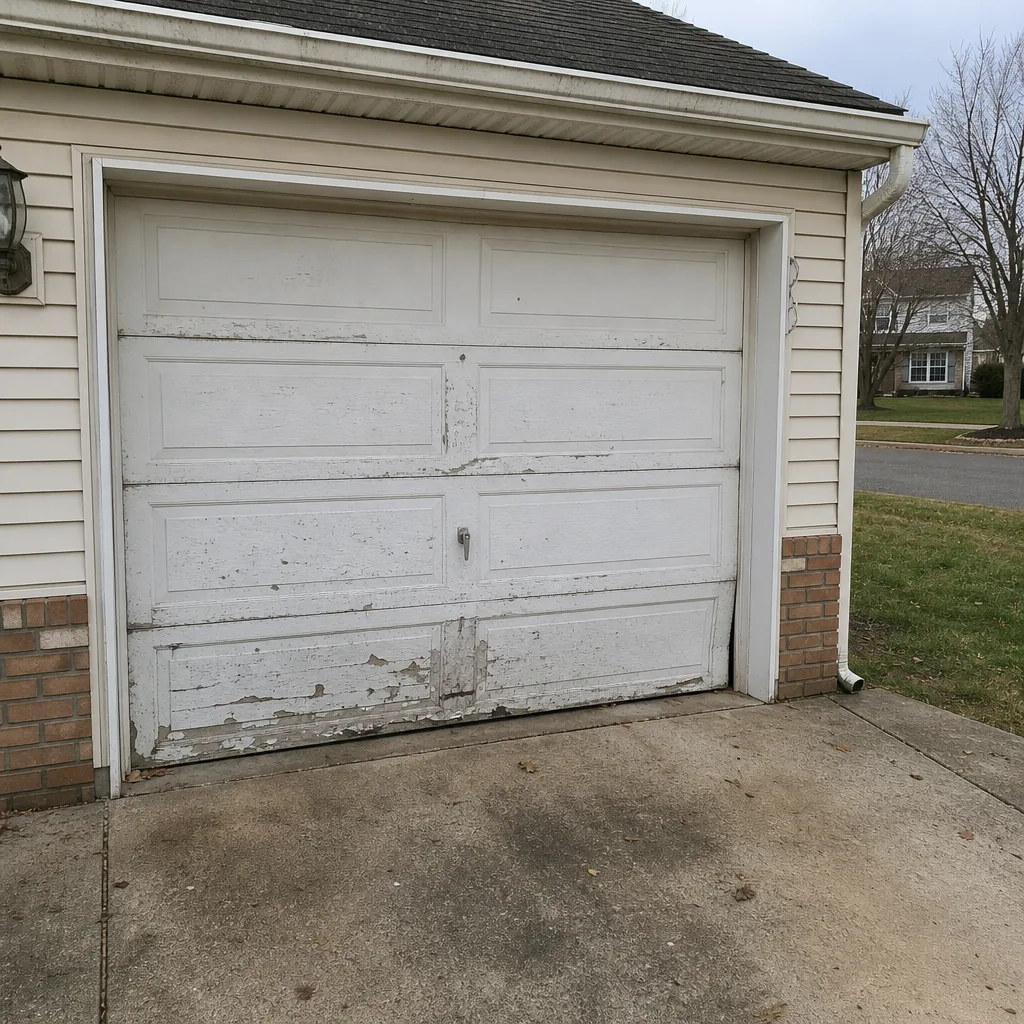 Before
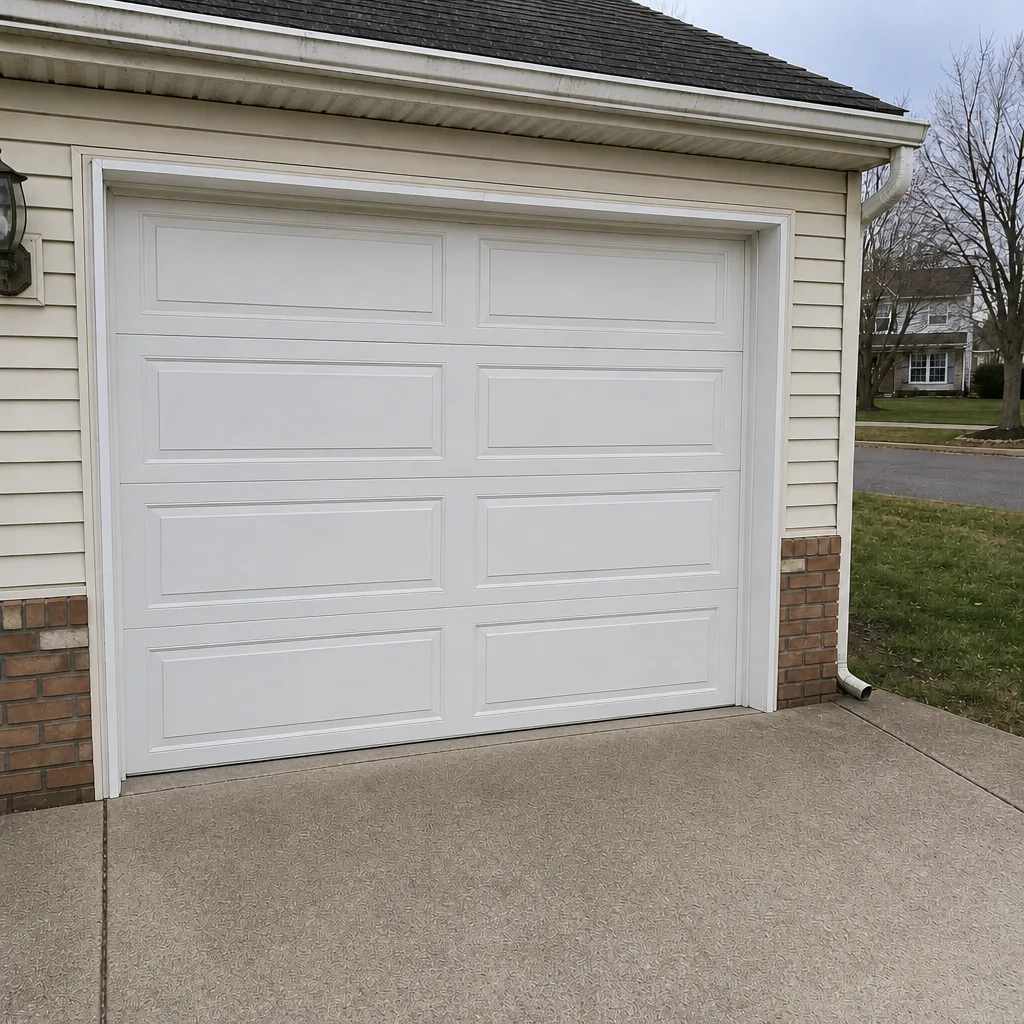 After
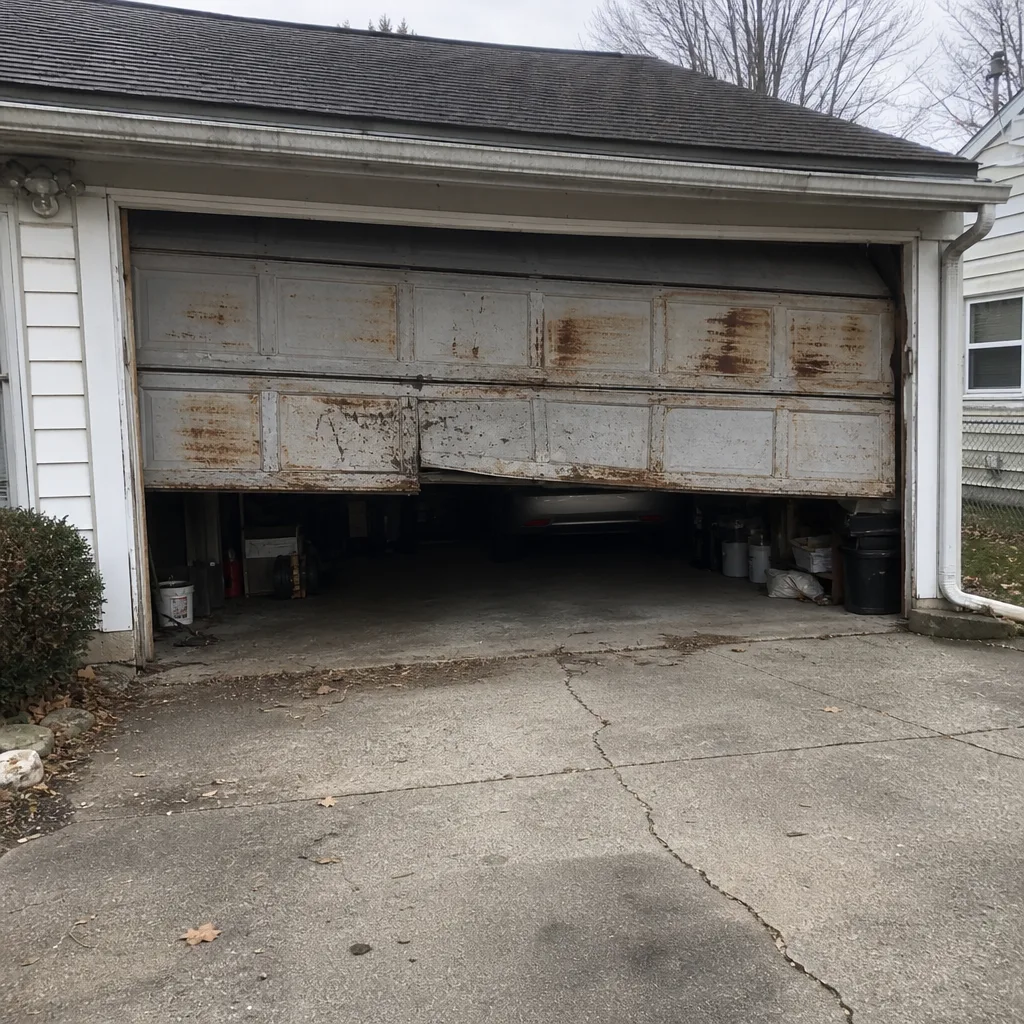 Before
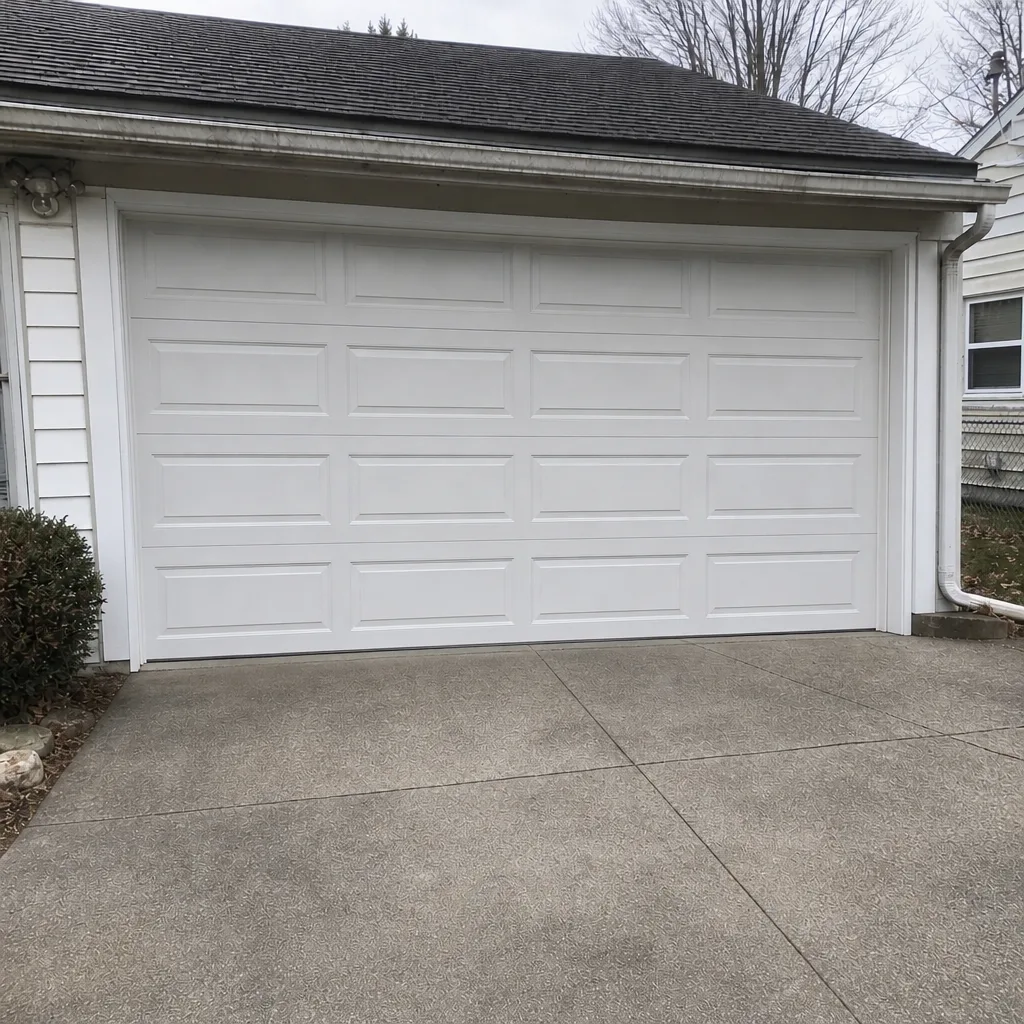 After
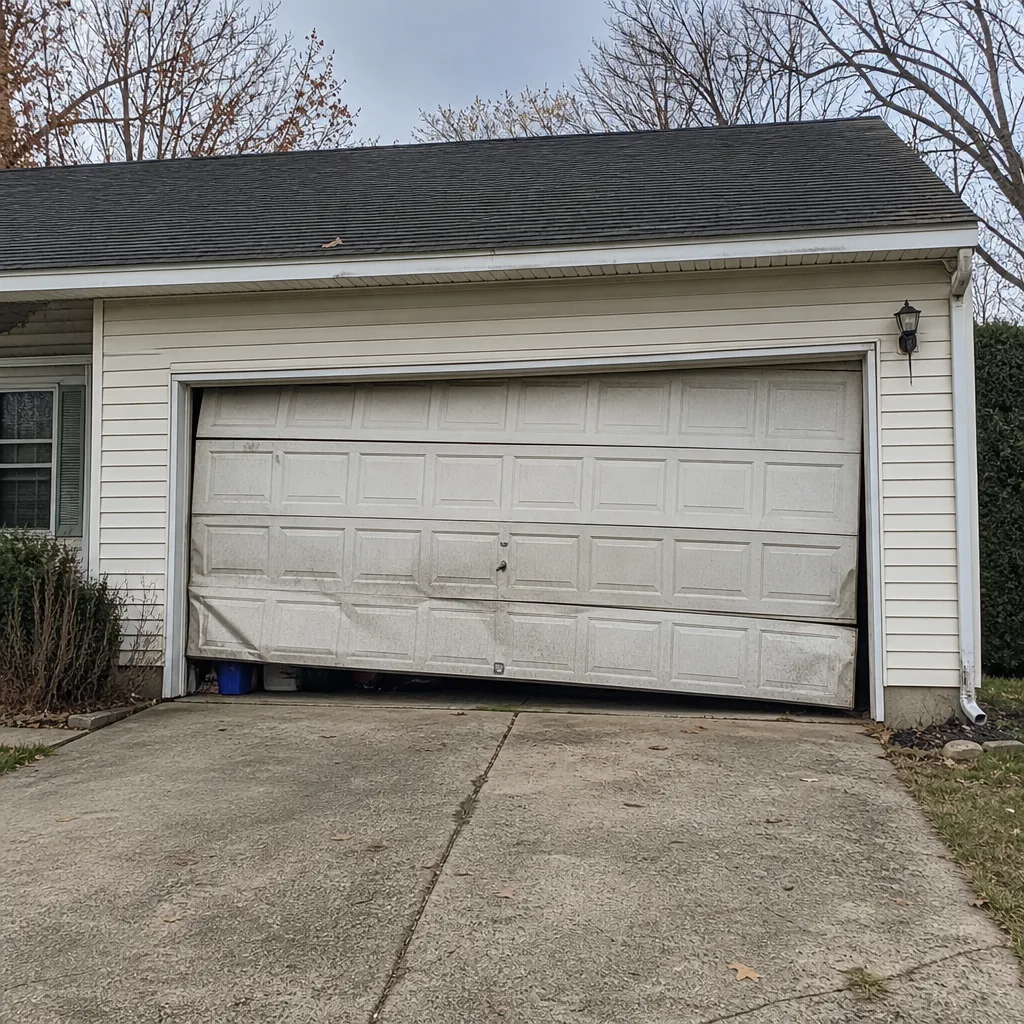 Before
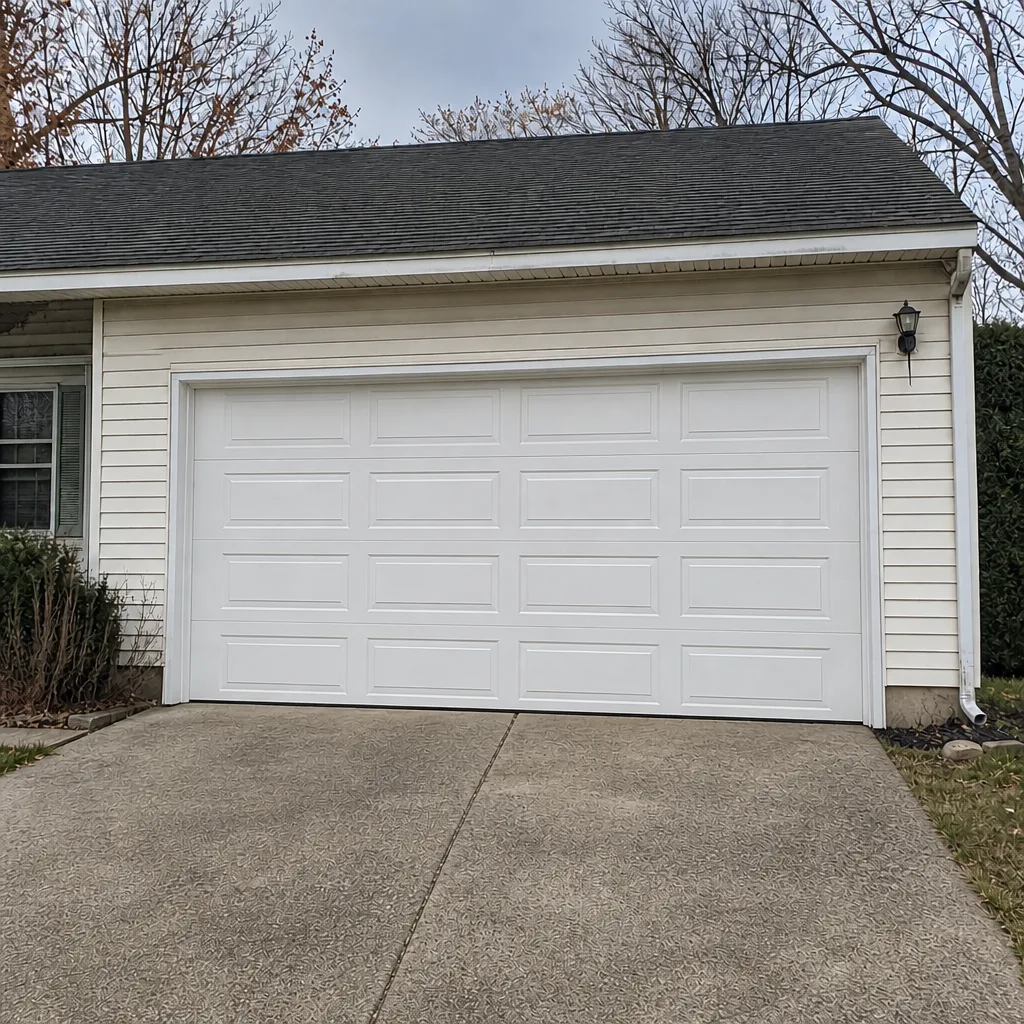 After
Frequently Asked Questions
Once in fall before cold weather arrives and again in spring is a solid baseline for a door that opens and closes daily. The key is using a cold-stable product: white lithium, silicone spray, or PTFE-based lubricant. Re-applying the wrong product at the wrong time of year matters more than frequency.
Cold weather thickens standard lubricants and makes hinges and rollers harder to move. A cold-rated lubricant and a check of the opener’s settings usually fix it. If the door is genuinely struggling rather than just a bit slower, call us to diagnose the cause. Call (844) 292-9001 for an exact quote; estimates are free.
Check the bottom track channel for debris, then the bottom seal for damage. Leaf accumulation in the track channel is the most common fall cause. If the channel is clear and the door still won’t close, the safety reverse or the seal contact may need adjustment.
Yes, spring is typically the highest-risk season for spring and cable failures because the hardware has been through a winter of load cycles. March and April are when we see a genuine increase in spring repair calls. A visual inspection in early spring catches warning signs before failure.
No. Garage door springs are under high tension and require specialty tools and training. A mistake can cause serious injury. Let a trained technician handle spring repair. Our technicians have up to 9 years of experience with high-tension springs.
Wood doors do absorb moisture in high humidity, and slight swelling is common in summer. Significant swelling, warping, or peeling finish points to a moisture problem that needs attention before panel damage occurs. Touch up the finish and check the seal at the bottom of the door.
The Bottom Line
Seasonal garage door care in Mount Laurel comes down to timing. A fall seal inspection before leaf debris builds, a winter switch to cold-stable lubricants, a spring safety check of the springs and cables, and a summer review of finish and humidity on wood doors. None of these tasks takes long, and together they prevent most of the failure calls we handle. The right product at the right time beats more work at the wrong time. If you want a professional eye on your door this season, call (844) 292-9001 for a free estimate.
Written by the team at Garage Door Repair Mount Laurel.