Last updated November 21, 2026
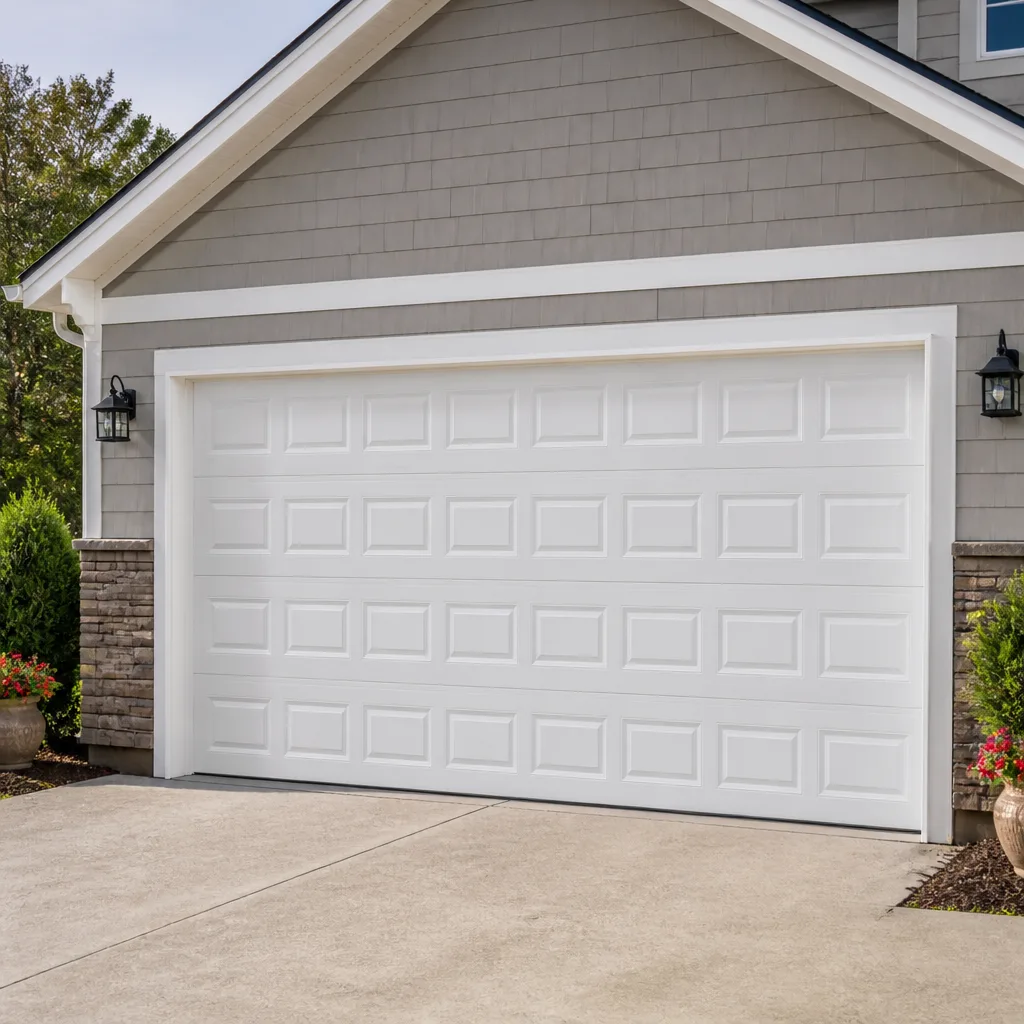 Raised-panel steel
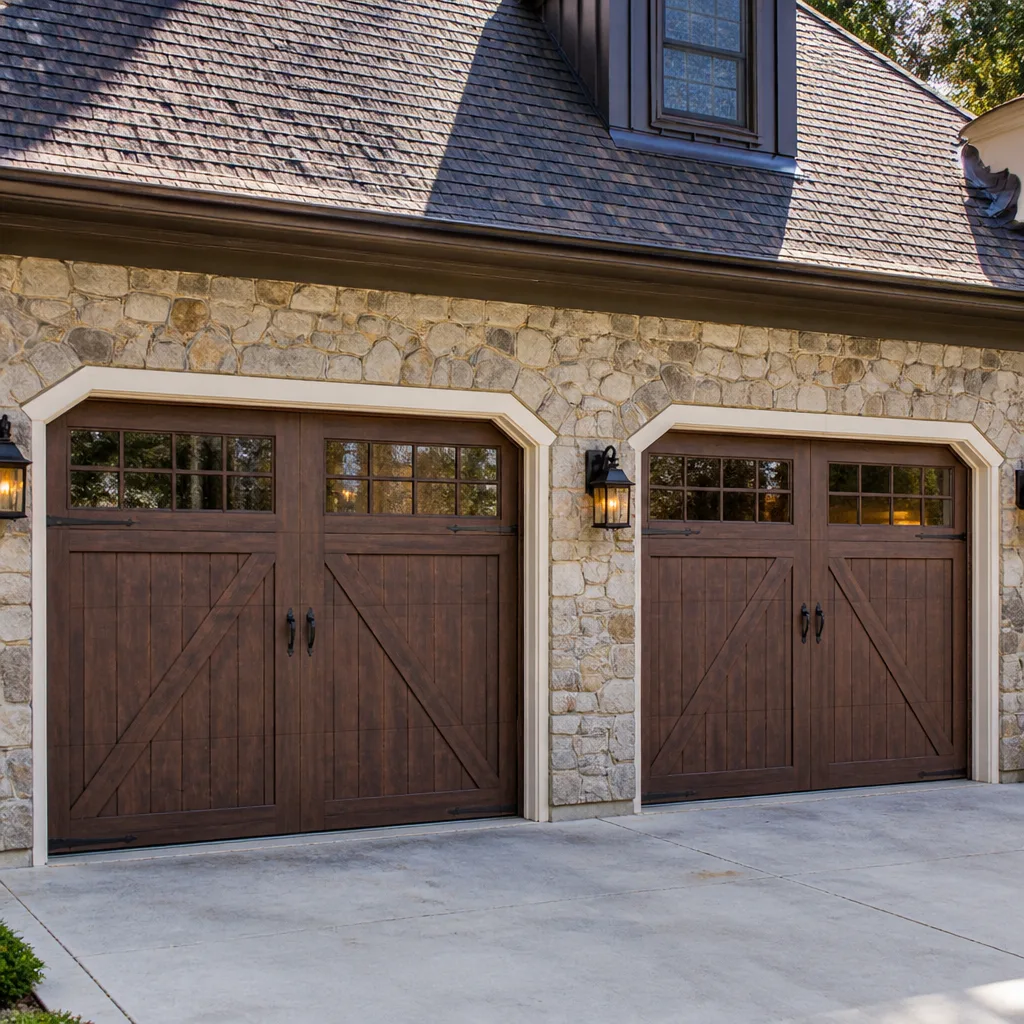 Carriage house
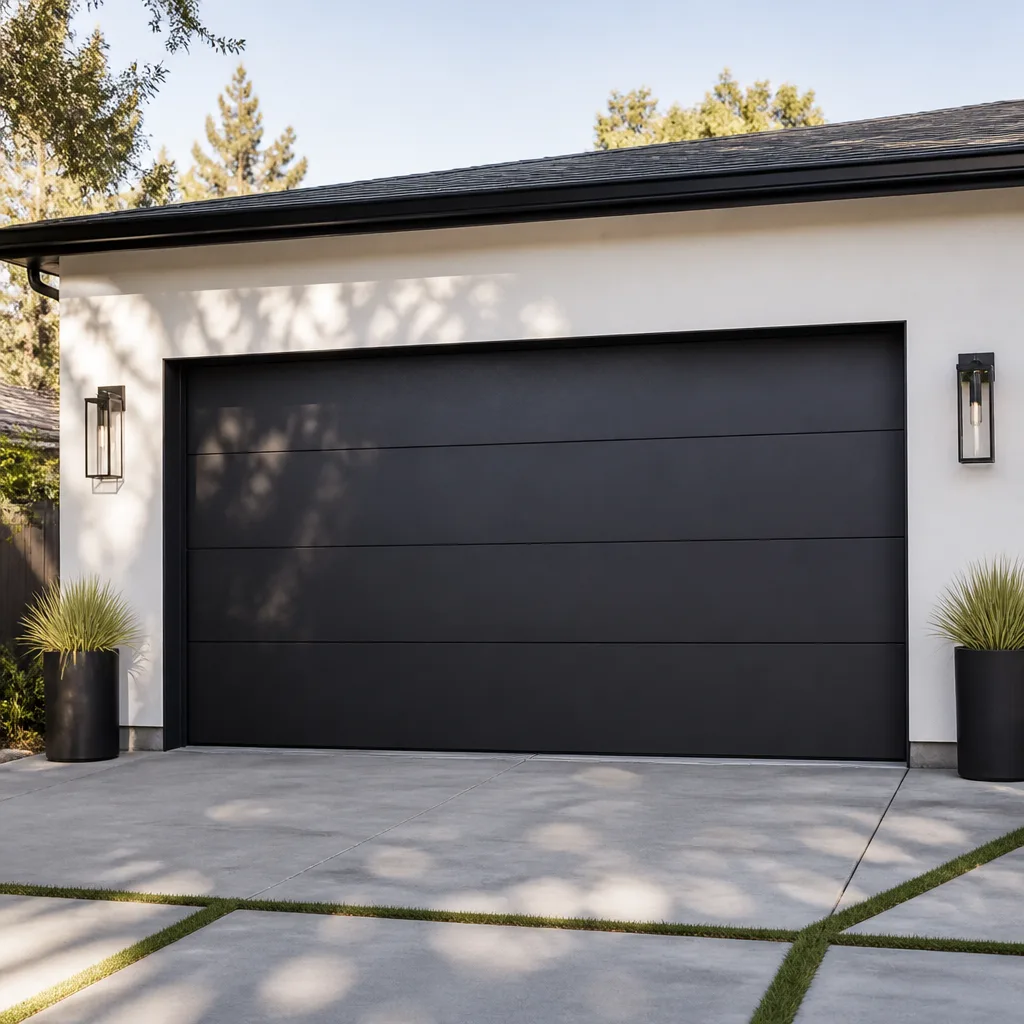 Modern flush
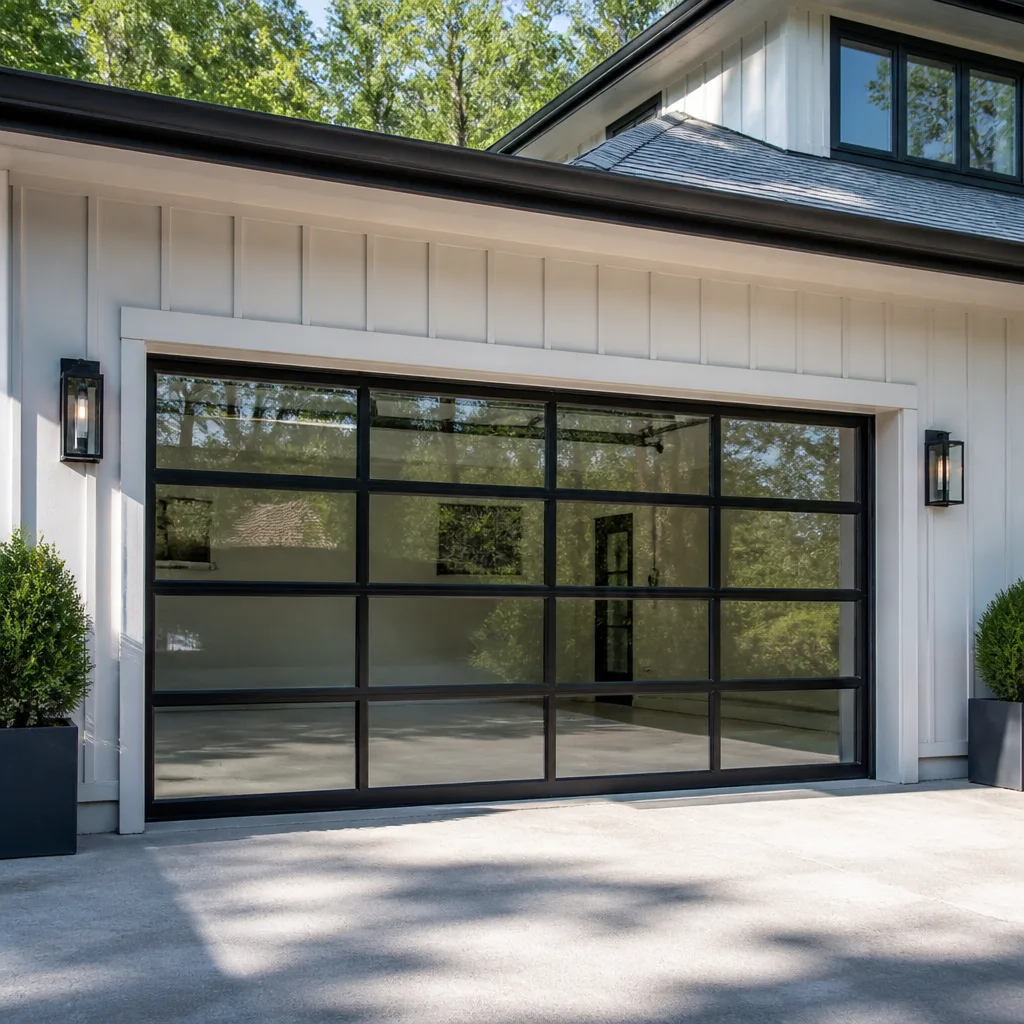 Full-view glass
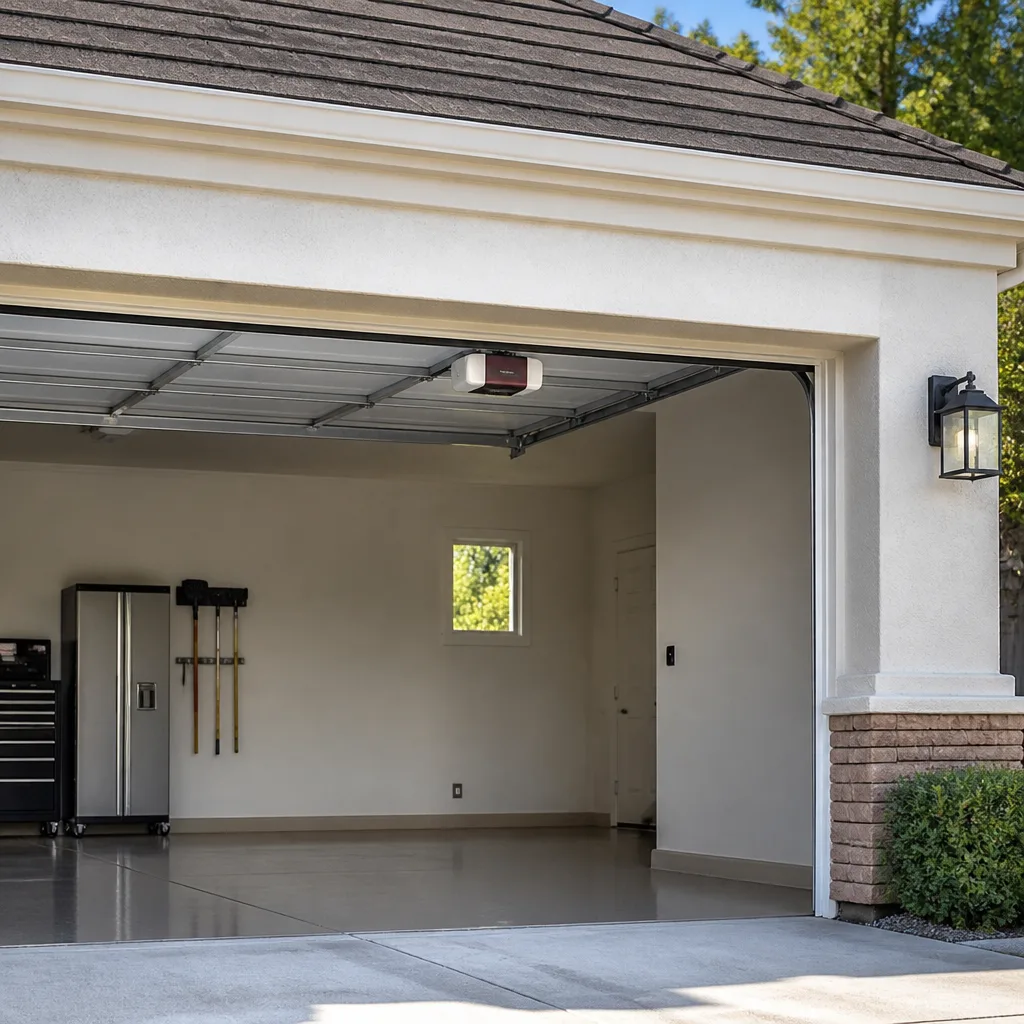 LiftMaster openers
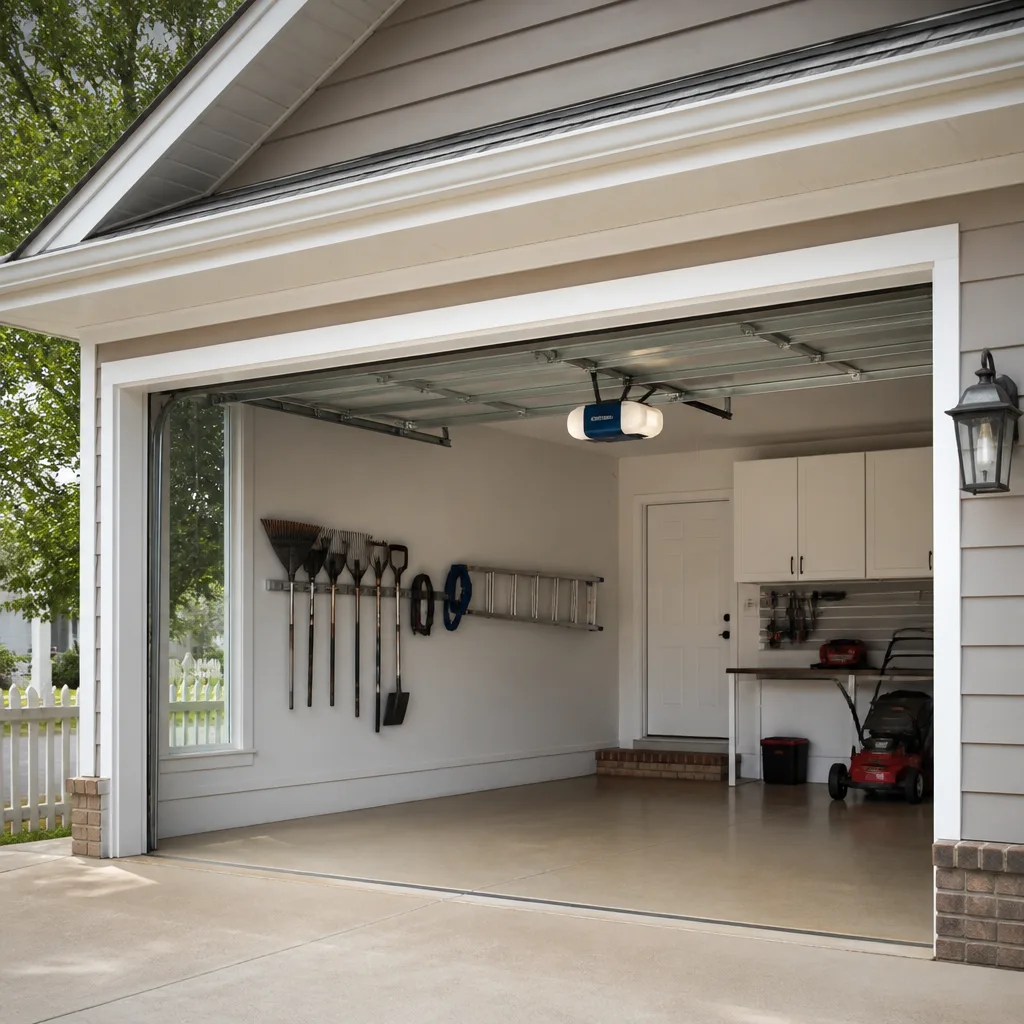 Chamberlain openers
Full 25-point door and opener safety check with every visit - springs, cables, rollers, tracks, and your LiftMaster or Chamberlain opener included
You get a price before we start. It does not change when the pro arrives.
Get your free estimateGarage Door Repair Maintenance Schedule: What to Do and When
The most common maintenance mistake we see isn’t skipping lubrication. It’s lubricating the wrong parts. Homeowners reach for a can of WD-40, spray it down the tracks, and think they’ve done the door a favor. In reality, that solvent strips the lubricant out of the rollers and track surfaces and speeds up wear. A garage door is a machine under real tension, and it does best with a schedule built around how its parts actually age, not around arbitrary calendar reminders. This guide lays out the tasks, the timing, the products that hold up in South Jersey weather, and the two safety checks most people have never run. We’ll also show you when a Mount Laurel homeowner should put the tools down and call someone.
Quick Answer
A garage door needs three tiers of care: a visual check and balance test once a month (about 3 minutes), lubrication and weatherstripping review twice a year at the spring and fall season changes (15 to 20 minutes), and one professional inspection and tune-up annually. If you keep those three rhythms going, you’ll catch most problems long before they strand your car or turn into an emergency call. Adjust the timing based on how often the door runs, not just the month on the calendar.
Styles & brands we work with
- Raised-panel steel
- Carriage house
- Modern flush
- Full-view glass
- LiftMaster openers
- Chamberlain openers
Table of Contents
- Why the Schedule Should Follow Usage, Not Months
- Monthly Visual Checks and the Balance Test
- Biannual Mechanical Tasks and Lubricant Choices
- Weatherstripping and the Bottom Seal
- The South Jersey Seasonal Checklist
- The Annual Professional Inspection
- Reading Spring Wear Before It Fails
- When to Call a Professional
Why the Schedule Should Follow Usage, Not Months
A garage door that opens twice a day and a door that opens fifteen times a day are not on the same maintenance clock. The parts don’t know what month it is. They know how many cycles they’ve run. A cycle is one open and one close. Most manufacturers build residential torsion springs to a rated cycle life, and once you start counting, the math gets interesting. A two-car household where both drivers leave and return runs roughly four to six cycles a day, which adds up to well over a thousand cycles a year. Factor in kids coming and going, deliveries, and the door that gets opened to let the dog out, and you can double that.
This is why “check it every three months” advice falls flat. A door in a busy Mount Laurel household running fifteen cycles a day needs lubrication more often than a door on a quiet street that opens once in the morning and once at night. Your maintenance rhythm should stretch or compress with the door. A door on the heavy-use end should get lubricated every four to six months. A lightly used door can go longer without trouble.
There’s also an age-of-components question. New doors and openers settle in during their first year of use, so we like to see a professional check at the one-year mark to confirm the springs, cables, and opener force settings are still where they should be. After that, the annual rhythm takes over. And a door that’s moved past seven or eight years should get a closer look at the springs and rollers at every inspection, because those are the parts that wear first and fail loudest.
One more point: a garage door is a balanced system. Springs, cables, hinges, and rollers share the load. When one part wears, the others pick up the slack, so slow wear on a roller can quietly load up a spring. The right schedule keeps the whole system balanced rather than chasing individual parts after they break.
Monthly Visual Checks and the Balance Test
This is the tier most homeowners skip, and it’s the one that gives you the earliest warning. A monthly walk-around takes about three minutes. You’re not fixing anything. You’re reading the door’s body language.
Here’s what to look at, in order:
- The balance test. Close the door, then pull the manual release cord to disconnect the opener. Lift the door by hand about halfway up and let go. A properly balanced door should hold that position on its own, or drift only slightly. If it slams down or shoots up, the springs are out of adjustment or wearing out.
- The force resistance test. Reconnect the opener and put a piece of wood or a roll of cardboard under the door’s path, then run the close cycle and watch carefully from the side. The door should stop and reverse on contact. If it grinds down against the obstruction or reverses slowly, the opener’s force or safety sensor settings need attention.
- Rollers. Look at each roller as it travels. Worn rollers wobble, squeal, or show flat spots. Nylon rollers should be smooth and quiet. Steel rollers should turn freely and stay seated in the hinges.
- Hinges and brackets. Look for cracks, bent metal, or loose bolts. Hinges are simple to eyeball but easy to forget.
- Cables. Look for fraying, kinks, or slack. Cables under load are dangerous, so observe them, don’t touch them.
- Sensors. The two little eyes at the bottom of the tracks should be aligned and clean, with the indicator lights steady. Dust and spider webs cause more sensor complaints than actual failures.
Two of those checks, the balance test and the force resistance test, are the ones most homeowners never run. And they’re the ones that reveal spring wear before a snap happens. A spring that’s lost tension gives the door away through the balance test; the door won’t hold its halfway position because the spring can no longer counter the weight. The force resistance test tells you whether the opener can still tell when something is in the way.
The monthly rhythm is also a good excuse to look at the door itself. Mount Laurel’s mix of older brick homes and newer construction has doors of very different ages, and a visual pass catches warped panels, cracked sections, or a bent track before it turns into a bigger repair. If something looks off, a garage door repair visit is the right call before you run the door again.
Biannual Mechanical Tasks and Lubricant Choices
Twice a year, at the spring thaw and again at fall prep, the door gets a proper going-over. This is the 15 to 20 minute session that prevents most emergency calls. And it starts with picking the right lubricant, which depends heavily on South Jersey’s seasons.
Summer humidity and winter freeze are two different problems, and one spray won’t solve both. Here’s what holds up:
- White lithium grease works well on hinges, bracket pivot points, and the torsion bar ends, and it hangs on through humid summers without running.
- A silicone-based spray is the right choice for the tracks and the rollers, and for plastic parts. It stays slippery through the July humidity and doesn’t collect grit the way thicker greases can.
- A light machine or garage door oil (or a synthetic blend rated for low temperatures) is a good option on the rollers and springs, and stays fluid when it’s cold.
- WD-40, in its standard form, is not a lubricant for this job. It’s a solvent and water displacer. It thins out whatever proper lubricant was there and leaves the door running dry.
On the flip side, some products gum or freeze in January. Thick automotive grease that’s fine in summer can stiffen in a cold snap, and heavy oils pool and stop doing their job. In a New Jersey winter, the door will run through freezing mornings, and you want the tracks and rollers moving smoothly. That’s a case for lighter silicone products on the moving surfaces.
Here’s the twice-a-year routine, in order:
- Run the balance and force resistance tests again. If anything feels off, stop and schedule a professional visit.
- Clean the tracks with a soft cloth and a mild cleaner, then wipe dry. Never use a solvent or oil spray directly in the tracks.
- Lubricate hinges, rollers, and pivot points with the right product, wiping off any excess so it doesn’t attract dust.
- Check that all the hinge bolts and track brackets are snug. Snug, not overtightened.
- Wipe down the weatherstripping and look for cracks, tears, or gaps.
- Inspect the door’s visual alignment. If one side sits lower than the other, the door is racking, which points to a balance problem.
If that routine turns up a door that won’t stay balanced, or a roller that keeps coming loose, the underlying issue may be spring or hardware wear. A garage door spring repair call gets to the source before a snapped spring does.
Weatherstripping and the Bottom Seal
Weatherstripping is the cheapest component on the door and the one with the biggest effect on your energy bill. But homeowners tend to picture it as a draft-stopper rather than a cost. In the Mount Laurel climate, where summer humidity runs thick and winter brings hard freezes, a failing bottom seal does more than let cold air in. It lets water and pests past the threshold, and it forces your HVAC to work harder to condition the space on the other side.
There are three places to look:
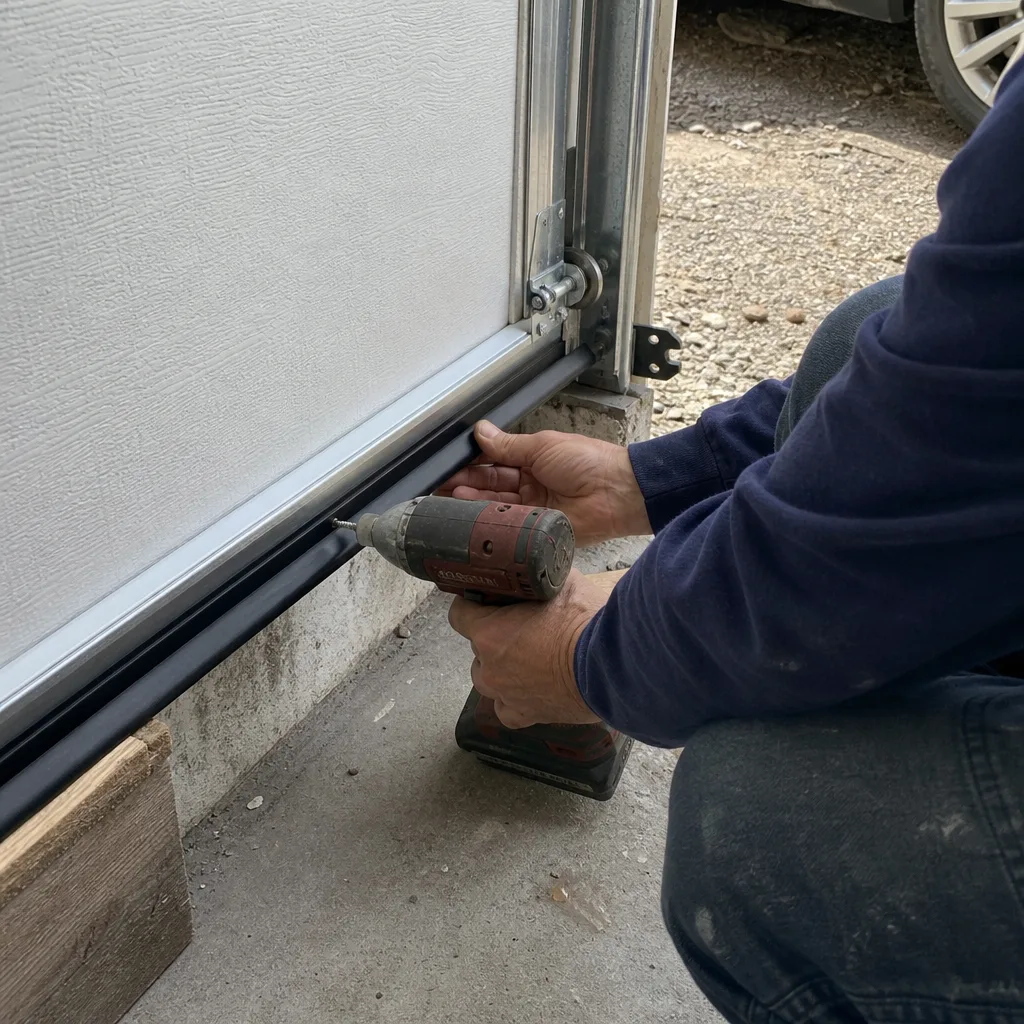
- The bottom seal (the rubber or vinyl strip along the bottom of the lowest panel). This takes the most wear. It compresses against the concrete threshold, and over a couple of winters it can go stiff, crack, tear, or come loose. Look for daylight under the closed door, or a strip that sits unevenly against the floor.
- The perimeter seal (the side and top trim along the jamb). It runs around the door frame and should sit flush against the door’s sides. Trim that’s pulling away or cracked lets in drafts and water.
- The threshold itself. The concrete or rubber piece the door seals against. If the threshold has settled or cracked, the bottom seal can’t do its job no matter how good the rubber is.
Do the dollar-bill test on the bottom seal. Close the door on a dollar bill at a few points along the threshold, then try to pull it out. It should feel tight. If it slides out easily, the seal or the threshold is the problem. In cold months, a failing seal is also a comfort issue: the space over the garage gets noticeably colder, and any heated or cooled living space next to it loses efficiency.
Replacing a bottom seal is a modest job and worth doing at the first sign of cracking, before a winter freeze does further damage. If the perimeter seal around the jamb is torn, that’s a bigger trim job, and it’s often best handled together with a professional tune-up so the door runs straight and seals evenly. Our technicians have up to 9 years of experience reading this kind of wear, and they’ll tell you plainly whether a seal replacement or something more is needed.
The South Jersey Seasonal Checklist
The calendar in South Jersey gives you two obvious maintenance windows, and it’s easier to work with them than to fight them. Spring thaw and fall prep line up with the two conditions Mount Laurel doors struggle with most: summer humidity and winter freeze.
Spring thaw window:
- Run the balance and force resistance tests after the door has been through a hard winter.
- Clean and lubricate the tracks and rollers. Winter grit collects and needs to go.
- Inspect the bottom seal for freeze damage and the perimeter trim for cracks.
- Check the door’s alignment for signs of racking from the winter’s moisture changes.
- Test the opener’s safety reverse on an obstruction. It should reverse on contact.
Fall prep window:
- Lubricate hinges, rollers, and pivots with a product that stays fluid in cold weather.
- Clear leaves and debris from the tracks and the threshold.
- Look over the bottom seal and replace anything showing cracks before the first hard freeze.
- Tighten any loose hinge bolts and brackets. Cold months bring more contraction and stress.
- Check that the door opens and closes smoothly with no grinding, which could mean a roller or hinge is going.
The fall prep window is also when a lot of homeowners think about their opener, since an older unit can get sluggish in cold weather. If the opener is old and reaching the end of its useful life, an inspection now is better than a frustration later. Should the opener fail outright, our garage door opener repair service covers most of the major brands in use in Mount Laurel, including LiftMaster and Chamberlain.
The rhythm to remember: check monthly, lubricate at the thaw and before the freeze, and tighten up the weatherproofing going into winter. That’s the whole calendar.
The Annual Professional Inspection
Once a year, the door deserves eyes that know what normal wear looks like. A professional tune-up isn’t a sales call for a new door. It’s a check for the things you can’t see from the ground: spring tension, cable wear at the drums, opener force settings, hinge binding, and the condition of the tracks at the top of the door, where the wear is hardest to spot. A good inspection tells you what’s healthy, what’s wearing, and what’s safe to leave alone.
Here’s what a proper tune-up covers:
- Torsion spring tension and cable condition. Cables and springs are under high tension and should be left to a trained technician.
- Opener force, travel limits, and safety reverse. The opener’s sensitivity settings drift over time.
- Roller and hinge inspection, with lubrication on all pivot points.
- Track alignment and a check for loose or bent brackets.
- Bottom and perimeter seals, with a note on any needed replacement.
- Balance testing on the disconnected door to confirm the springs are still doing their share.
At the one-year mark for a new door or opener, the inspection is particularly worth doing because installation settles in and hardware can loosen. After that, the annual visit is where a technician catches a spring running past its rated cycle life before it snaps, and that’s a much calmer phone call than the alternative.
We work on the eight brands that cover most residential doors in service: LiftMaster, Chamberlain, Genie, Clopay, Amarr, Wayne Dalton, Craftsman, and Raynor. Knowing your specific hardware means faster diagnosis and the right parts, not a guessing game with a replacement part. If you’re in Mount Laurel and want a straight appraisal of how your door is holding up, we’re glad to take a look.
Reading Spring Wear Before It Fails
Springs are the heart of the whole system. They carry the door’s weight so the opener doesn’t have to, and a torsion spring is under constant, heavy tension. When one wears down or breaks, the door can drop or become impossible to lift by hand, and it’s genuinely dangerous to work on without the right tools. So the trick is reading the signs early.
Here’s what to watch for:
- A door that won’t hold its balance-test position. If it drops when you release it halfway up, the spring has lost tension.
- A door that feels unusually heavy. A healthy door feels light when lifted by hand after the opener is disconnected. Heavy means the springs are doing less.
- An opener that strains or struggles. If the opener has to work harder to lift the door, the springs are weakening and the opener is covering for them.
- A visible gap or uneven coil on a torsion spring. A broken spring can be hard to see at first glance, but a coil that looks bent or separated is a sign.
- A loud bang from the garage. That’s the sound of a broken spring. It’s not subtle, and the door should not be run after it.
The gauge here is cycle count, not a stopwatch. Two or three hard-use seasons of a busy Mount Laurel household can put a spring well into its wear range. Our take: if the balance test fails even once, get it checked.
Never try to adjust, oil, or replace a torsion spring yourself. The stored energy in a wound spring can release suddenly and cause serious injury. We handle spring work with the proper tools and training, and it’s a service many general handymen won’t take on. If you’re hearing a bang or seeing a failed balance test, treat it as an emergency and don’t run the door.
Common Mistakes to Avoid
- Spraying WD-40 on the tracks. The solvent strips lubricant and speeds roller wear. Use silicone spray on the tracks and save the solvents for cleaning jobs.
- Skipping the balance test. Most homeowners never run it, yet it’s the fastest way to catch a failing spring before it breaks.
- Lubricating only once and forgetting. One annual lube is not enough for a door running fifteen cycles a day. Match the frequency to the use.
- Ignoring a worn bottom seal until winter. A seal that’s failing going into winter means drafts and higher heating bills. Replace it during fall prep, not after the first freeze.
- Overtightening hinge bolts. Snug is enough. Over-torquing can strip a hinge or bracket and crack the panel.
- DIY spring repair. Torsion springs require special tools and training. We can’t be more direct about this one.
- Looking at the door but not the opener. Force settings drift, and older openers can lose safety reverse over time. Test it on an obstruction at every seasonal session.
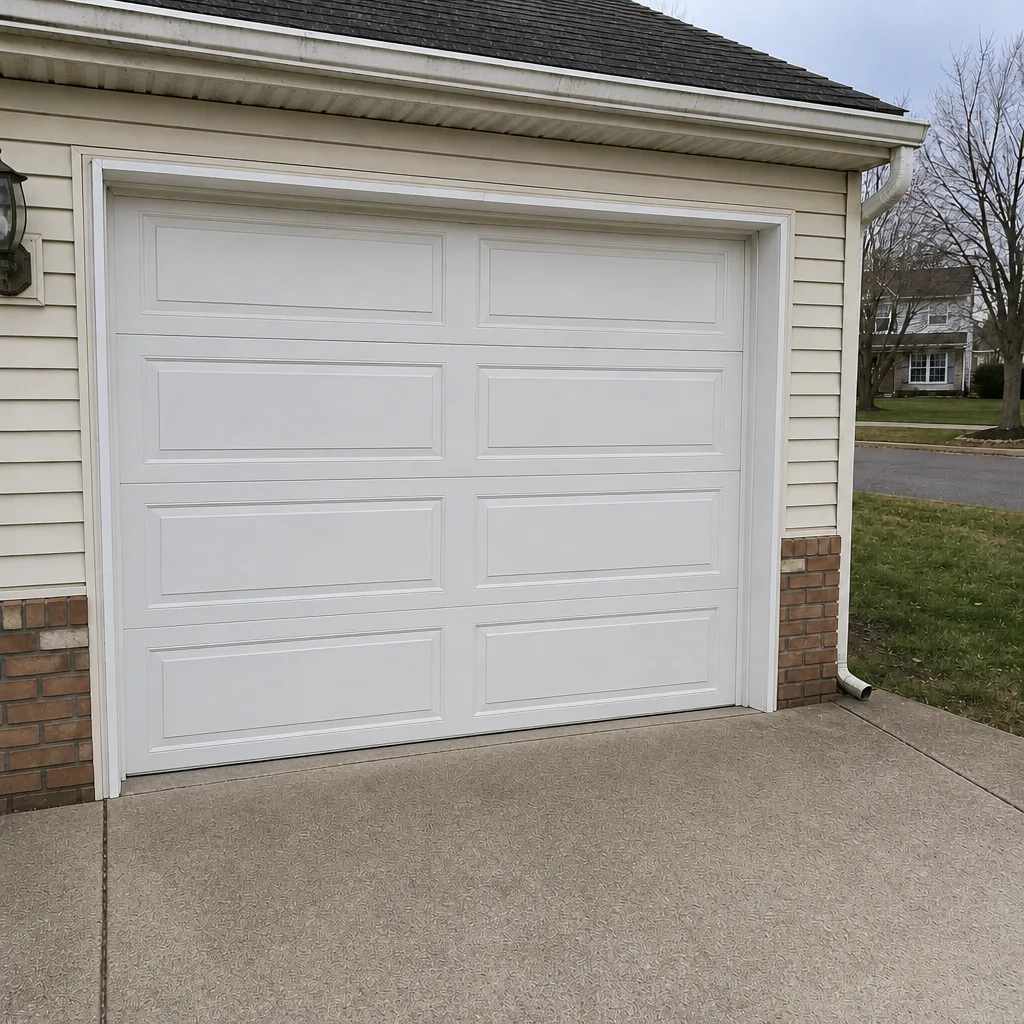
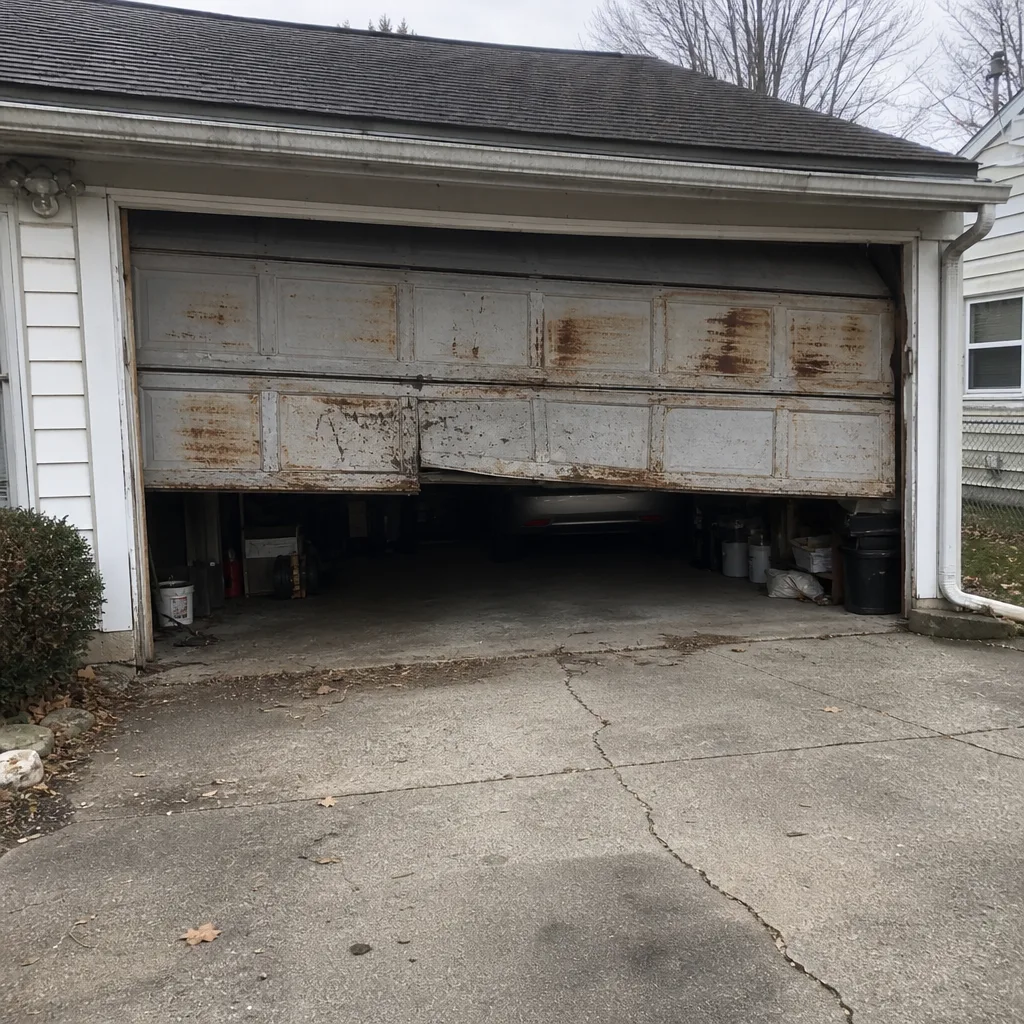
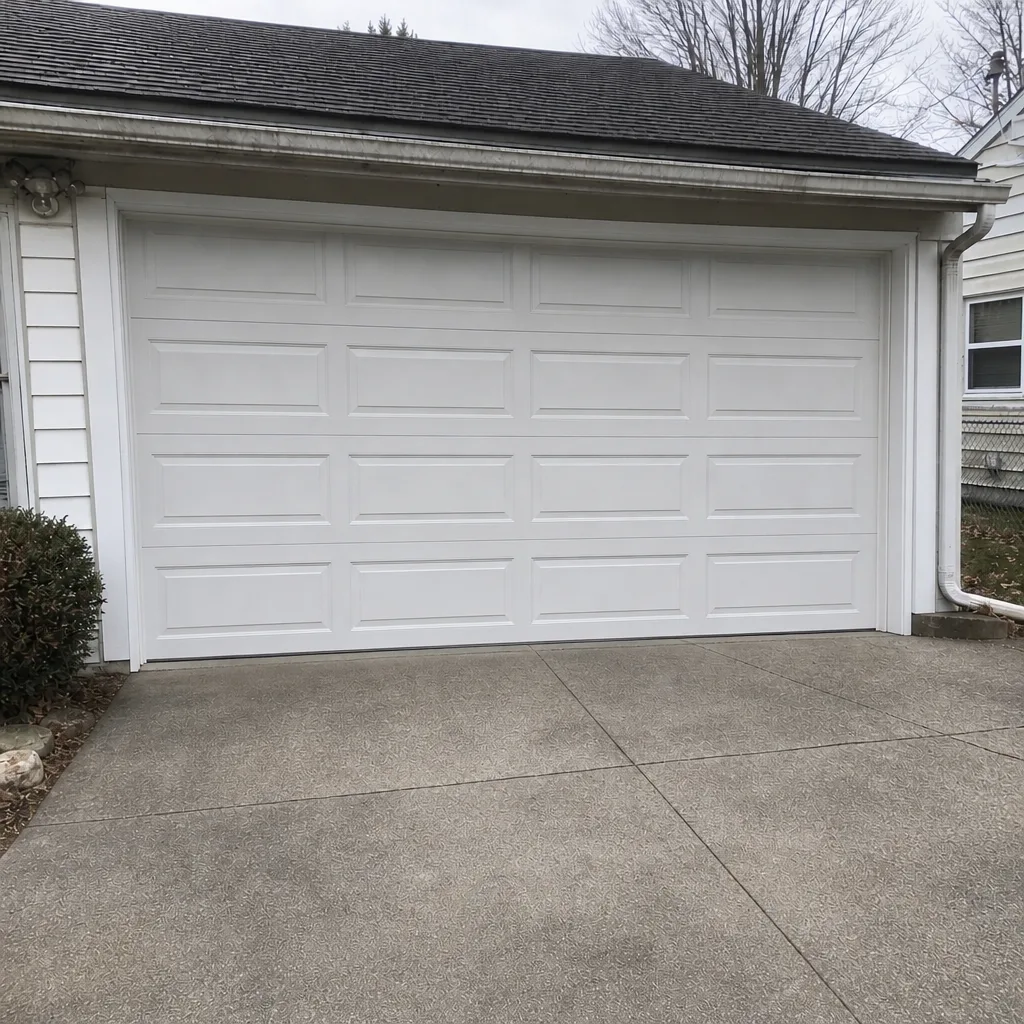
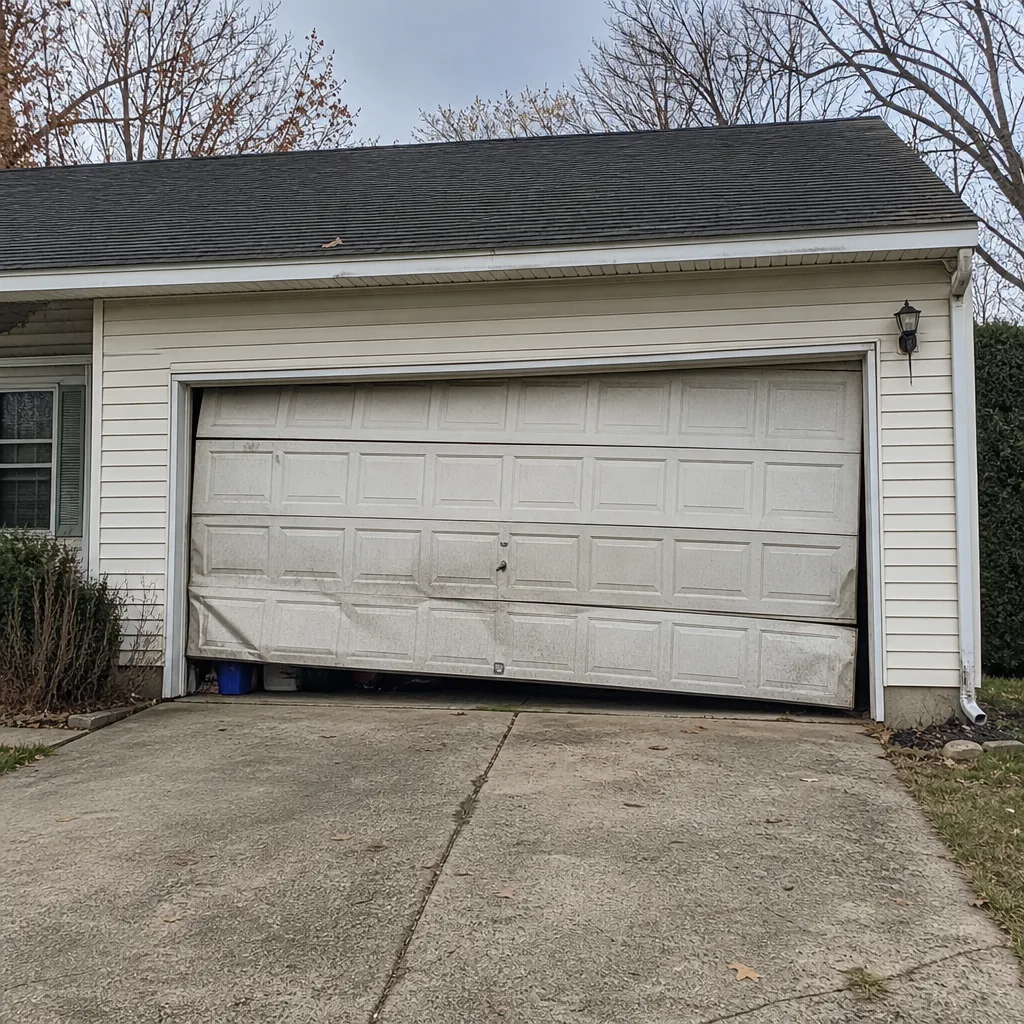
See the difference
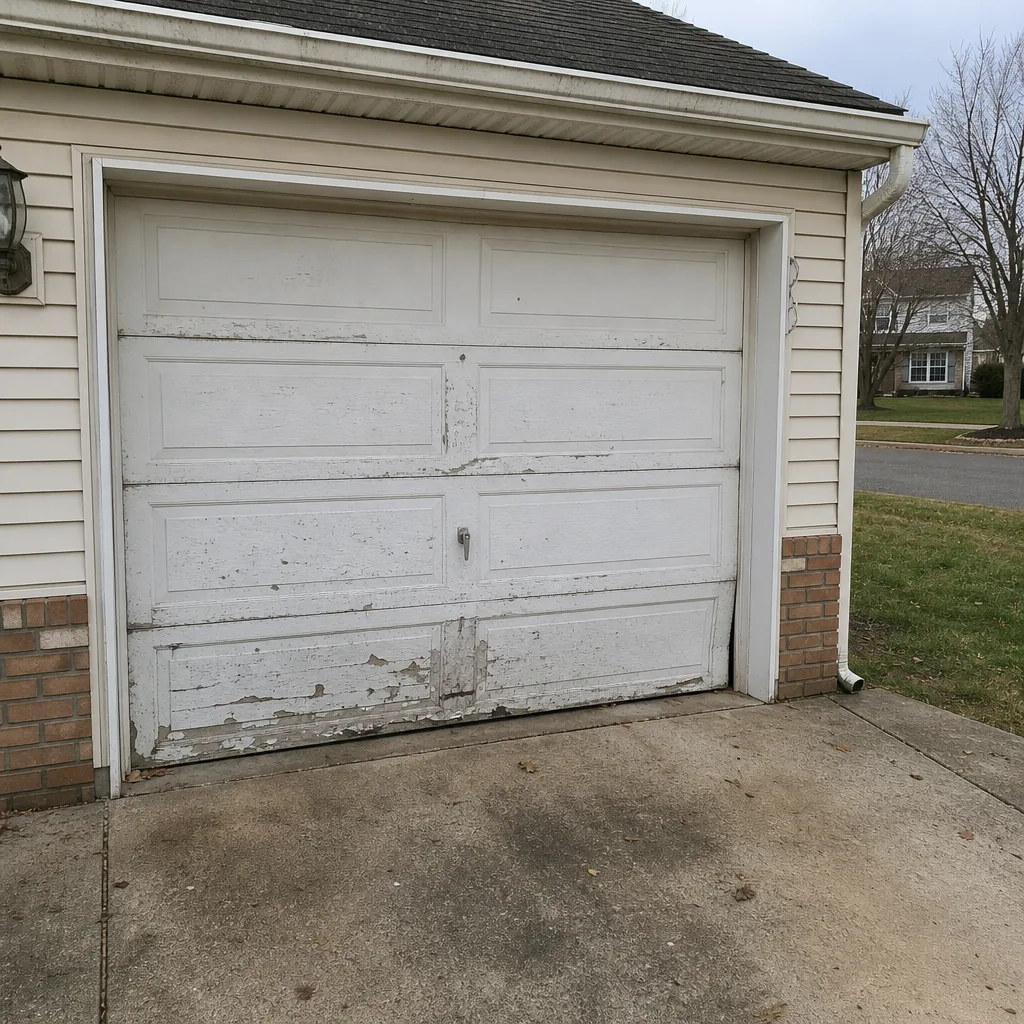 Before
 After
 Before
 After
 Before
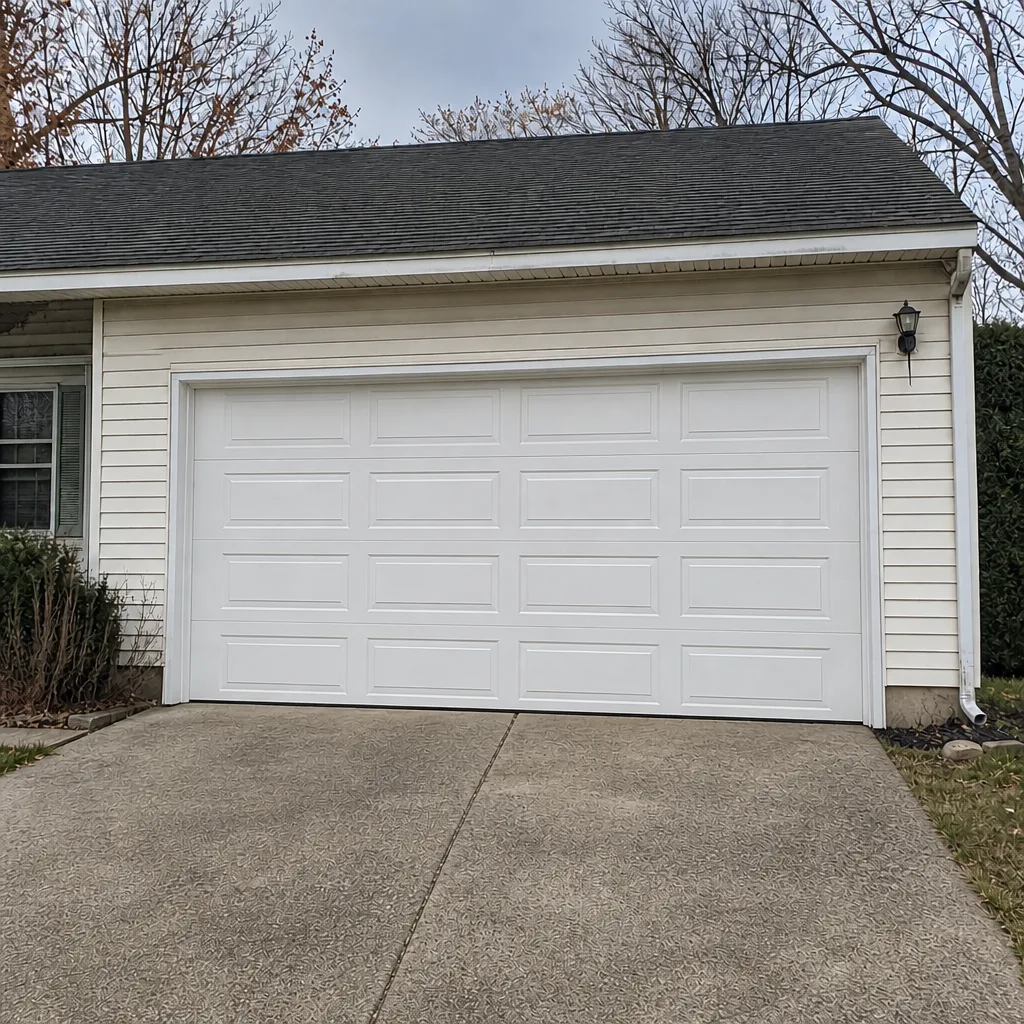 After
When to Call a Professional
Most of the routine tasks on this schedule are safe for a homeowner. The line gets drawn at anything involving stored tension, live electrical connections, or a door that won’t move correctly. Call a professional if a balance test fails, if you hear a bang from the garage, if the door is off its tracks, if a cable shows fraying or slack, if the opener safety reverse isn’t working, or if the door is racking or hanging crooked. Those aren’t maintenance tasks. They’re repairs that need the right tools and training, and pushing a door through them can cause injury or a bigger failure.
Garage Door Repair Mount Laurel offers free estimates in Mount Laurel. We work on your specific brand, whether it’s a Wayne Dalton, Raynor, or another of the eight major makes, so there’s no trial-and-error diagnosis. Call (844) 292-9001 and we’ll book a time to look at it.
Frequently Asked Questions
Every four to six months if the door gets heavy use, and about every six months otherwise. Match the frequency to how many cycles the door runs. A door that opens more than ten times a day needs the tighter rhythm. For an exact quote on a professional tune-up, call (844) 292-9001.
No, standard WD-40 is a solvent and water displacer, not a lubricant, and it strips the lubricant out of your rollers and tracks. Use a silicone-based spray on the tracks and rollers, and white lithium grease or a proper garage door oil on the hinges and pivots. If you’re unsure what your door needs, call (844) 292-9001.
The balance test checks whether your springs are still carrying the door’s weight. Close the door, pull the manual release to disconnect the opener, lift the door halfway by hand, and let go. A balanced door holds its position. A door that drops needs spring attention. Call (844) 292-9001 for an inspection.
A door that won’t hold its balance-test position, feels unusually heavy when lifted by hand, or makes the opener strain are all signs of a weakening spring. A loud bang means it’s already broken. Don’t run the door. Call (844) 292-9001 for a same-day spring assessment.
Yes, an annual inspection is the sensible minimum given the area’s humidity and freeze cycle, which wear down seals and springs faster than a mild climate does. It’s the one visit that catches problems before they become repairs. Call (844) 292-9001 to schedule one.
No. Torsion springs are under high tension, and adjusting or replacing one without the right tools and training can cause serious injury. It’s a genuine safety concern, which is why so many general handymen avoid it. Leave it to a trained technician and call (844) 292-9001.
The Bottom Line
A garage door maintenance schedule should follow how the door ages, not the calendar. A three-minute monthly check, a 20-minute lubrication session at the spring thaw and fall prep, and one annual professional inspection cover the whole cycle. Pick lubricants that survive both July humidity and January freeze, run the balance test regularly to read spring wear early, and treat a failing bottom seal as an energy issue, not just a draft. Skip the WD-40. When you get that rhythm going, the door runs quieter, lasts longer, and most Garage Door Repair Mount Laurel emergency calls never have to happen. If anything on your door looks wrong, call (844) 292-9001 for a free estimate.
Written by the team at Garage Door Repair Mount Laurel.