Last updated November 21, 2026
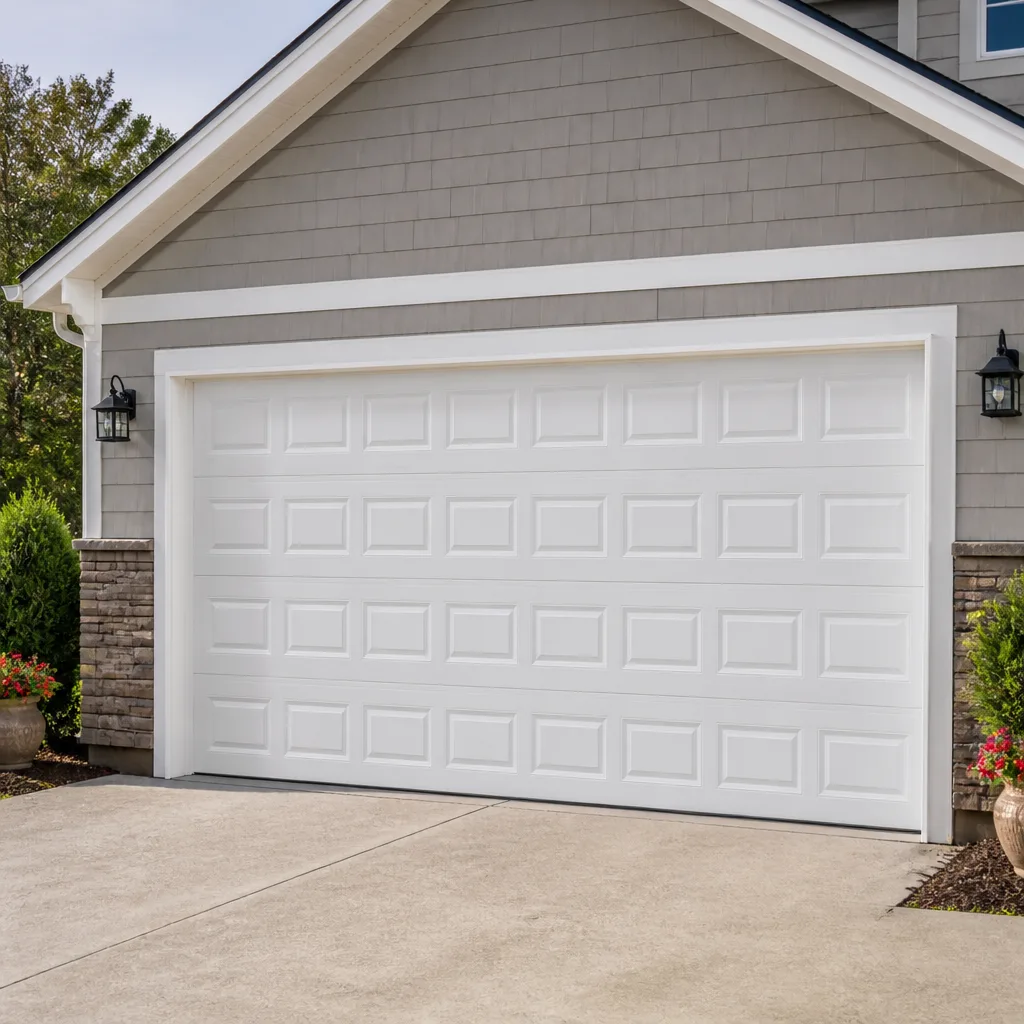 Raised-panel steel
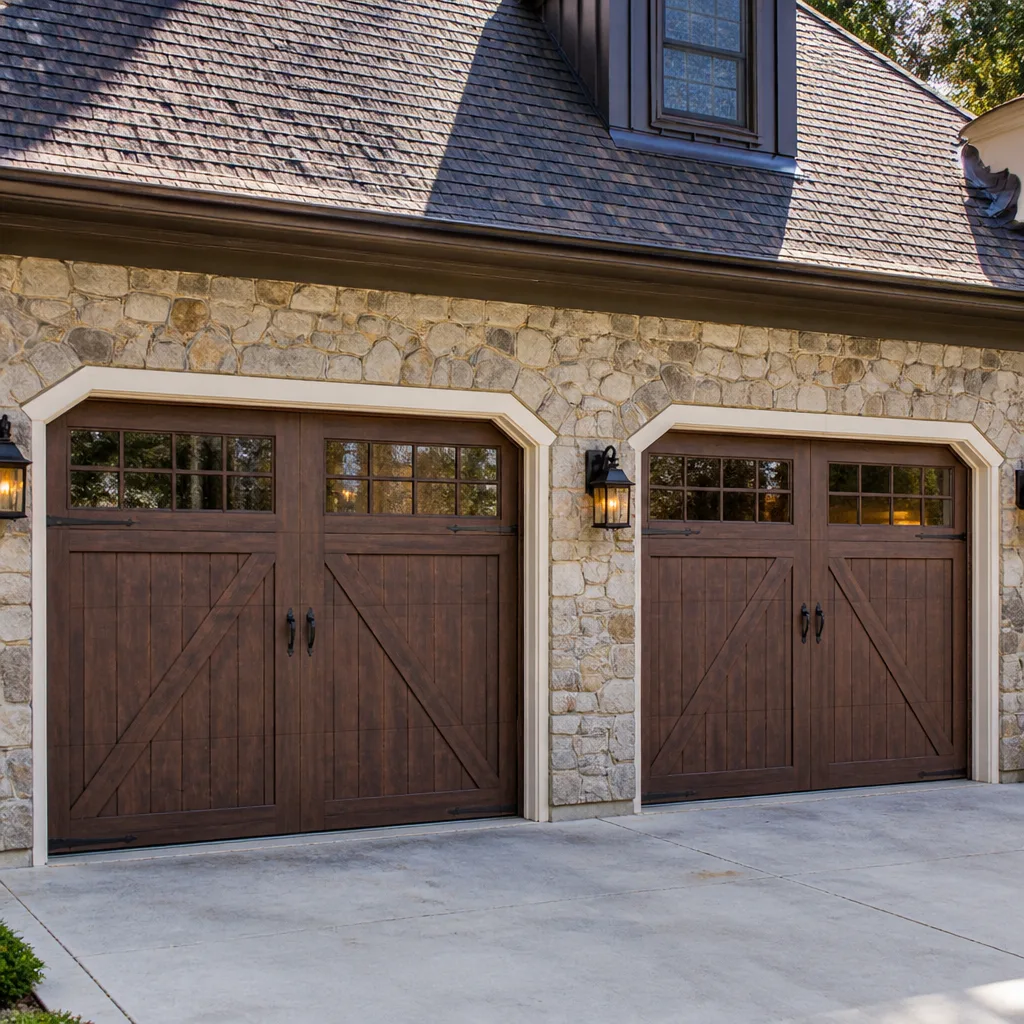 Carriage house
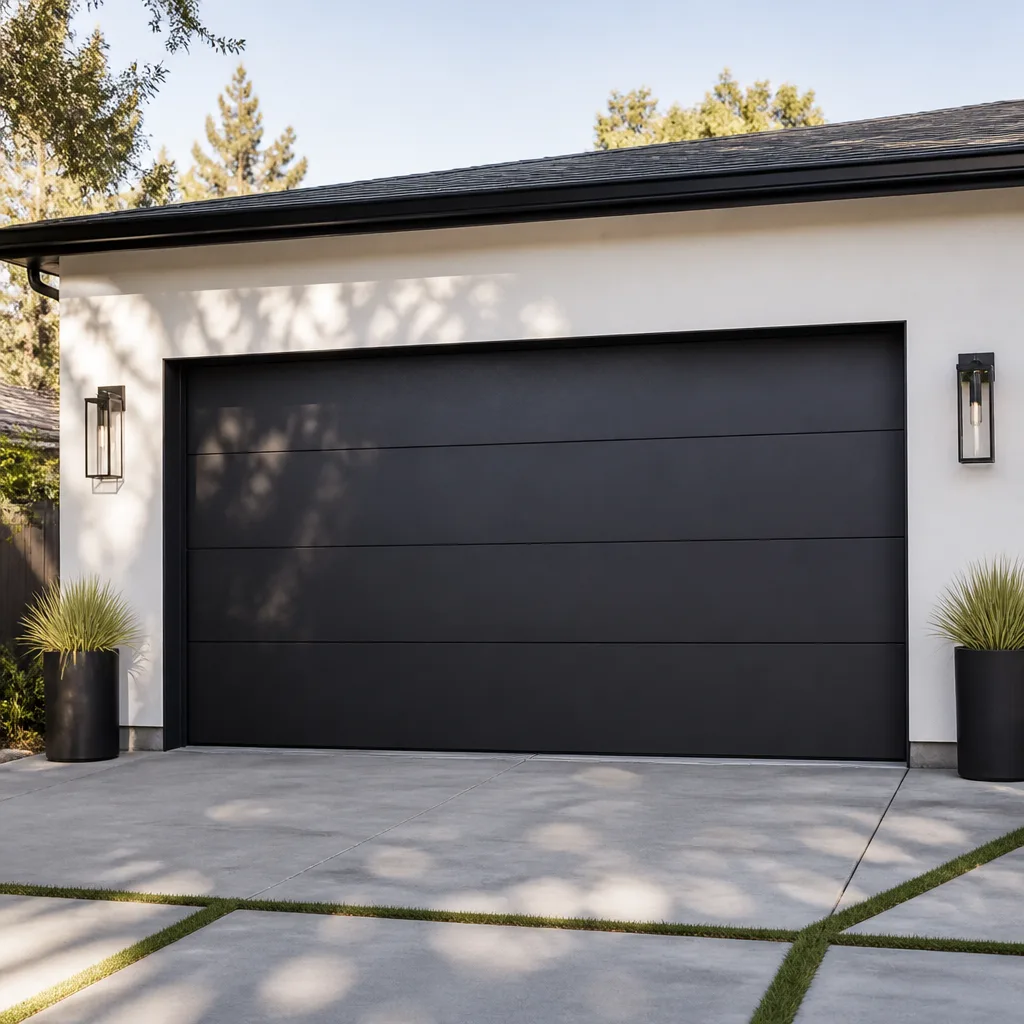 Modern flush
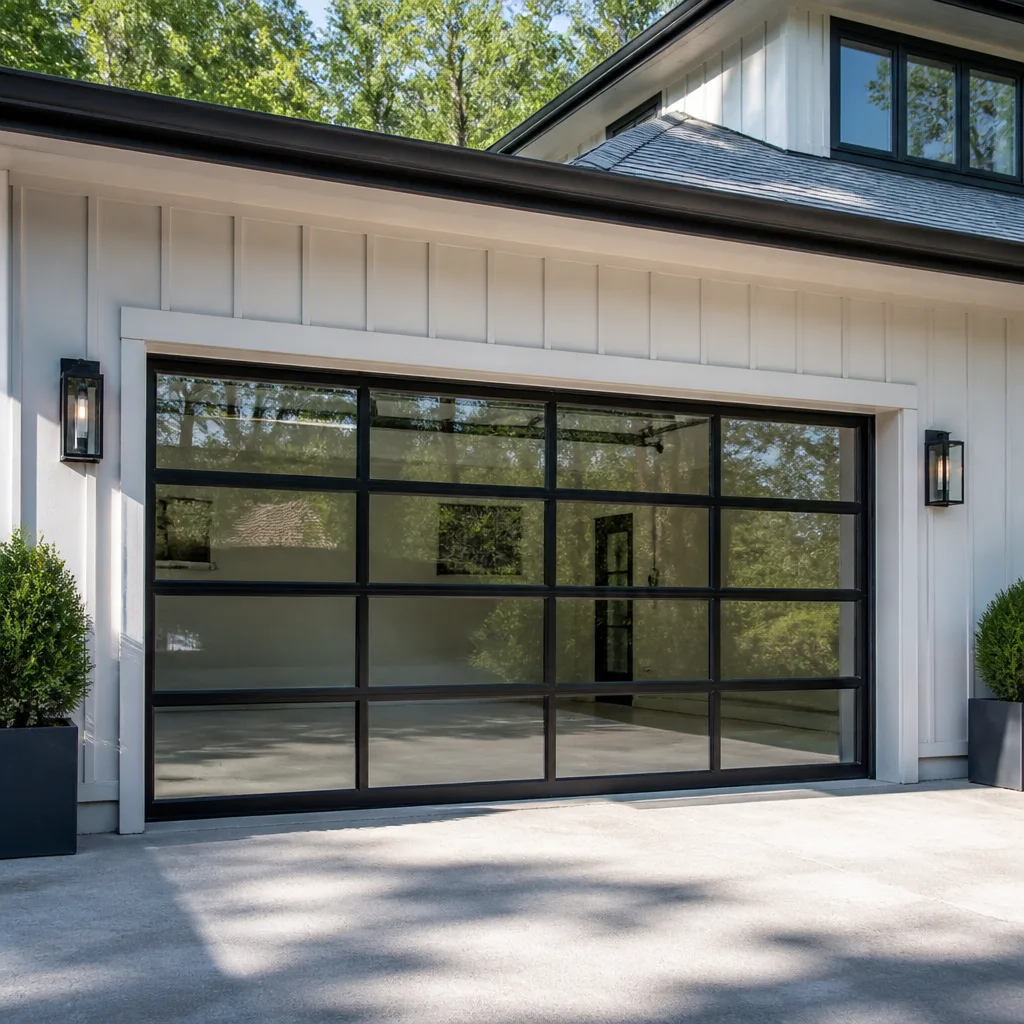 Full-view glass
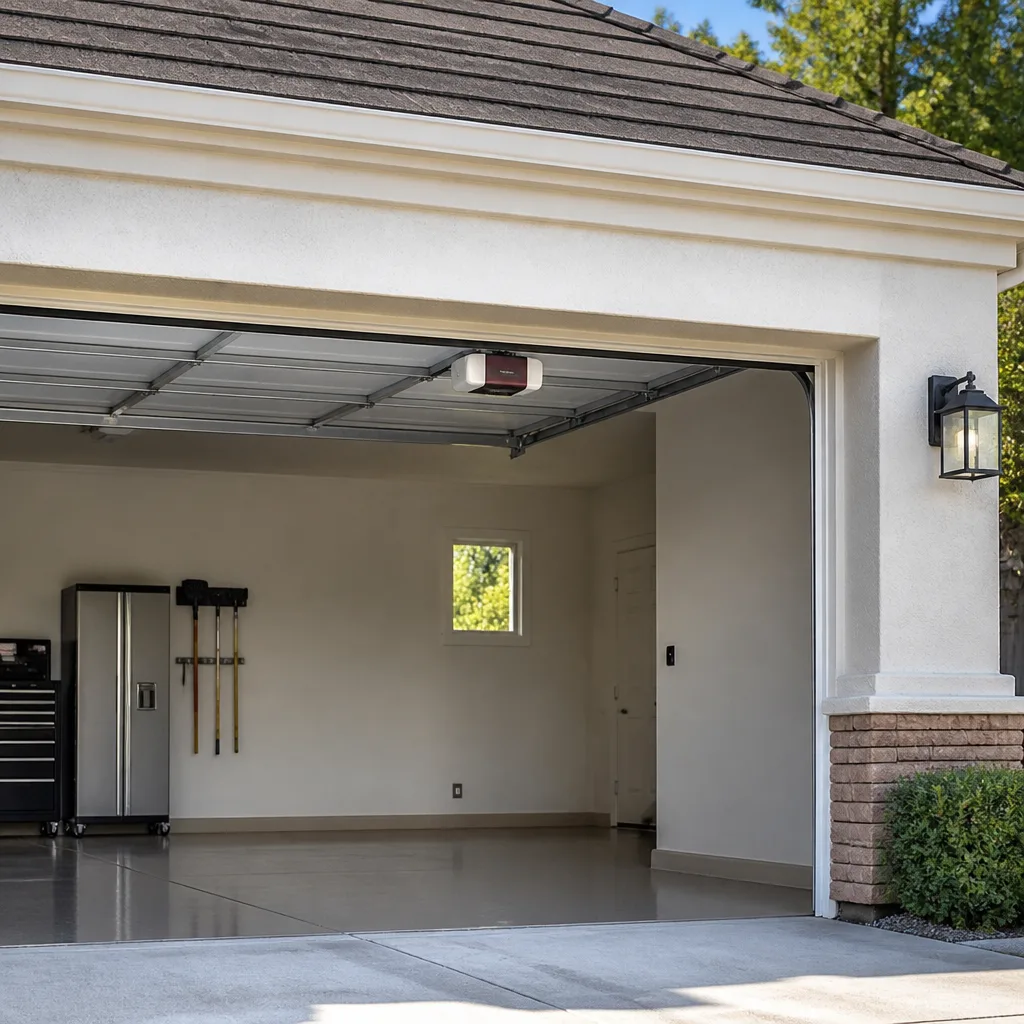 LiftMaster openers
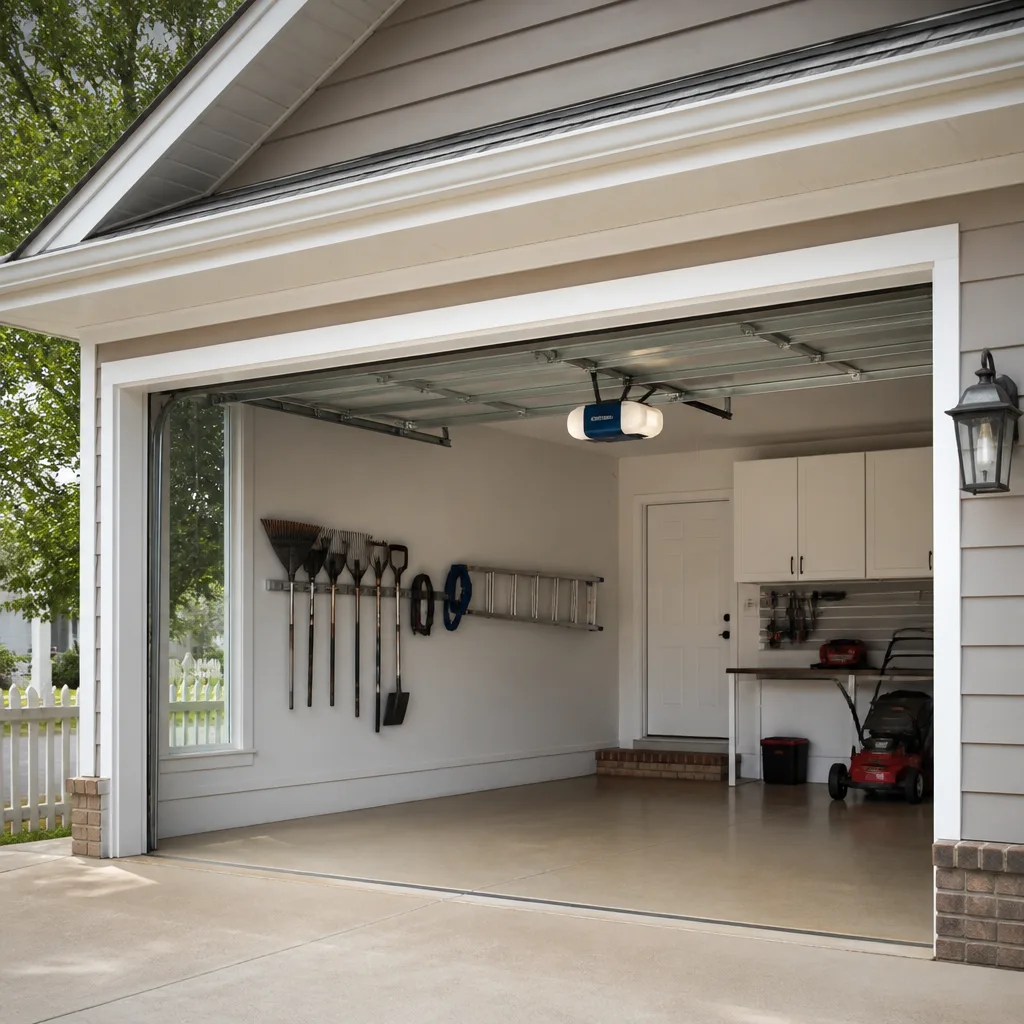 Chamberlain openers
Full 25-point door and opener safety check with every visit - springs, cables, rollers, tracks, and your LiftMaster or Chamberlain opener included
You get a price before we start. It does not change when the pro arrives.
Get your free estimateGarage Door Repair Troubleshooting in Mount Laurel: Common Problems and How to Fix Them
If your garage door reverses before it hits the ground, most people blame the opener. That’s the wrong part. Nine times out of ten the actual culprit is a misaligned safety sensor, and it’s something you can often correct yourself in under three minutes. The trap is that almost every garage door symptom has two or three possible sources, so homeowners chase the wrong component, buy the wrong part, or call for service on something solvable in five minutes. This guide walks you through a logical elimination process for Mount Laurel homes: check the system in the right order, listen for what each sound is telling you, and know the exact point where you should stop and hand it to a technician. We’ll show you how the opener, springs, tracks, sensors, and cables interact, why New Jersey’s seasonal temperature swings create false positives, and how to describe your problem so precisely that the right fix arrives on the first visit.
Quick Answer
Most garage door problems in Mount Laurel come down to one of five things: a safety sensor knocked out of alignment, worn springs that can no longer lift the door’s weight, a track bent out of true, a cable that has slipped its drum, or an opener gear or logic board failure. Work through them in that order – sensors first because they’re free to check, springs and cables last because they’re dangerous to touch. Test the door by hand with the opener disengaged, listen carefully, and if you hear a loud pop followed by a door that won’t lift, stop and call a professional. Garage Door Repair Mount Laurel offers free estimates; call (844) 292-9001.
Styles & brands we work with
- Raised-panel steel
- Carriage house
- Modern flush
- Full-view glass
- LiftMaster openers
- Chamberlain openers
Table of Contents
- Why Symptoms Are Not the Same as the Problem
- The System-Based Diagnostic Order: Opener, Springs, Tracks, Sensors, Cables
- What Each Sound Tells You: Grinding, Popping, and Scraping
- Where to Stop: Spring and Cable Repairs You Should Never Attempt
- How Mount Laurel’s Seasonal Temperature Swings Cause False Positives
- Five-Minute Tests to Run Before You Call Anyone
- How to Describe Your Problem Accurately Over the Phone
- Why Brand Knowledge Changes the Diagnosis
Why Symptoms Are Not the Same as the Problem
A garage door is a balanced mechanical system, not a collection of independent parts. The opener doesn’t lift the door on its own – springs carry most of the weight, and the opener’s job is mostly to guide the door up and down while managing the last bit of force. When one part of that balance shifts, the symptom can show up somewhere entirely different. A door that “sounds like the opener is dying” is often a door with a tired spring. A door that slams shut is often a door whose spring tension has relaxed. A door that binds halfway up isn’t an opener problem at all – the tracks have likely been knocked out of plumb.
This is the reason a symptom-by-symptom troubleshooting list leaves gaps. It tells you what to do if the door reverses, and what to do if the door grinds, but it never tells you the order in which to check. In practice, the right order is the order in which parts fail safely: check the cheap, accessible, low-risk items first (sensors, then tracks and rollers), then the mechanical tension components (springs, cables), and only then the electronics of the opener itself.
In Mount Laurel, we run into this constantly. Homeowners who live in the older neighborhoods near the Moorestown border, or in the townhomes off Route 38, will call describing an opener problem when the underlying issue is a spring that dates back to the previous decade’s installation. If we send parts for the wrong component, we either leave with the door still broken or we replace something that wasn’t failing. A logical diagnostic order isn’t bureaucracy – it’s how we avoid charging you for something you don’t need.
Our technicians have up to 9 years of experience, and the single most useful thing that experience buys you is pattern recognition. Grinding that comes from the top of the door is rarely the same issue as grinding that starts halfway through travel. Popping is different from banging. We’ll get to those in detail below.
The System-Based Diagnostic Order: Opener, Springs, Tracks, Sensors, Cables
Here’s the order we use in the field, and it’s the order you can follow at home without putting yourself at risk. Work through it top to bottom and stop when you hit something that doesn’t match.
- Sensors. Look at the two small lenses near the bottom of the tracks on each side of the door. Both should have a steady light (not flickering, not dark). If one is dark, the alignment is off or the wiring has loosened. Wipe both lenses, check for cobwebs, and gently nudge the bracket until both lights are steady.
- Opener logic and remote. Try the wall button and the remote separately. If the wall button works but the remote doesn’t, that’s a remote or receiver issue. If neither works, check the breaker for the garage circuit and the outlet the opener plugs into. You’d be surprised how often “the door is broken” means a tripped GFCI on that wall.
- Balance test. Pull the emergency release handle (the red cord hanging from the opener rail) with the door closed, then lift the door about halfway by hand. It should stay there, roughly balanced. If it falls, the springs are too weak. If it slams up fast, the springs are too strong. Either way, the balance is off, and that’s spring territory.
- Tracks and rollers. Run your hand along the vertical and horizontal track sections and feel for bends or dents. Watch the door as it moves – the rollers should glide in the track without popping or shimmying.
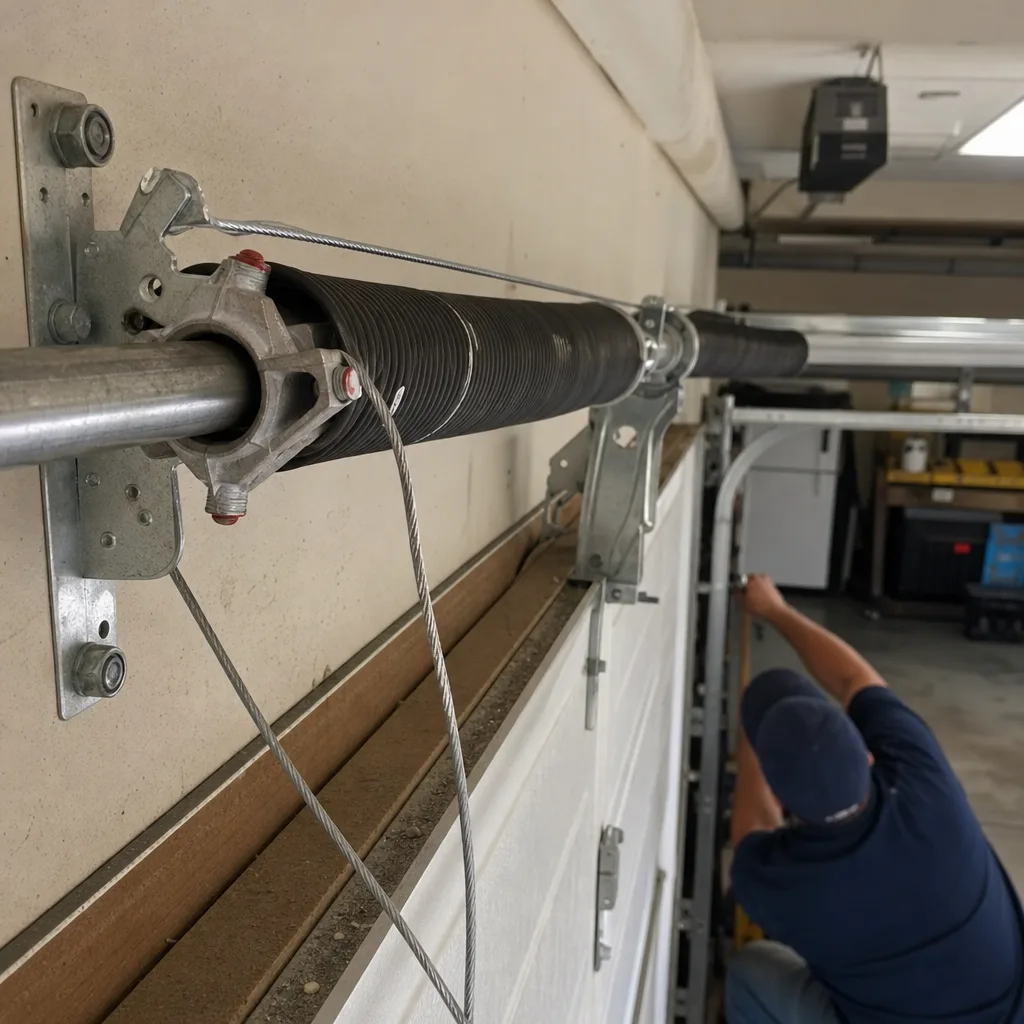
- Springs. Look at the springs above the door (torsion springs on a bar for most doors, extension springs running alongside the tracks on older ones). If you see a visible gap in the coil, the spring is broken. Don’t touch it. Go to the safety stops section.
- Cables. The steel cables run from the bottom corners of the door up to the drums at the top. Look for fraying, kinks, or a cable hanging loose. If one is loose, the door is in an unsafe state and shouldn’t be operated.
Following this order means you check the free things first, you don’t waste money on opener parts when the sensor was the issue, and you self-identify the dangerous situations before you touch them. If you’d rather skip the checklist entirely and get straight to a diagnosis, our garage door repair service in Mount Laurel handles the full sequence in one visit.
What Each Sound Tells You: Grinding, Popping, and Scraping
Story: you’re inside the house and you hear your garage door make a noise you don’t recognize. The fastest way to help yourself is to describe that noise accurately, because each sound maps to a different set of components. In our experience, homeowners who can say “it’s a metal grinding from the top left” instead of “it’s making a weird sound” get a faster, cheaper diagnosis.
- Grinding, from the top of the door. Usually the torsion spring coils rubbing against each other, or a dry bearing plate. Sometimes it’s the opener gear inside the housing. If it’s rhythmic and follows the door’s travel, spring. If it’s constant while the motor runs but no movement happens, opener drive gear.
- Grinding, along the side tracks. Worn or dry rollers, or a track that has a small dent the roller is catching on. Wipe a roller with a rag – if you see metal shavings or black residue, that roller is done.
- Popping or snapping. This is the sound of a spring under tension releasing suddenly, or a cable slipping on a drum. If you hear a loud pop and the door stops working, assume a spring broke. Do not run the opener – it will strain the motor trying to lift a door that is now dead weight.
- Scraping. A door panel is rubbing against something: the frame, the header, another panel, or an object stored along the track. Walk the perimeter with the door halfway up and look for the contact point.
- Banging or slamming. Either the door is out of balance and falling under its own weight, or the down-limit on the opener is set too far. If a door slams shut, get it diagnosed before someone walks under it while it closes.
- Clicking from the opener with no movement. The logic board is sending signals but the safety circuit is stopping it, or the motor has failed. Confirm sensors and remotes first.
One piece of brand-specific context: LiftMaster and Chamberlain openers share a lot of internal architecture (they’re the same manufacturing family), which means a clicking issue on one usually has a matching cause on the other. Craftsman openers use a similar gear set in many legacy models. Raynor and Wayne Dalton systems can differ enough that a generic replacement part will fit but not cycle correctly. Knowing which brand you’re on before you call is worth a minute of time – find the model sticker on the opener housing and read it to the technician.
Where to Stop: Spring and Cable Repairs You Should Never Attempt
We’ll be direct because it matters. Torsion springs store an enormous amount of mechanical energy even when the door is at rest. When a torsion spring is broken, the energy is released, but a spring that is merely worn is still charged and can release violently if one of the set screws is loosened without the proper winding bars. Extension springs can snap and whip along the track with no warning if they aren’t guided by safety containment devices. Cables carry the door’s weight in tension. All three of these are jobs for a technician with the right tools and the right knowledge of the door’s specific configuration.
The mechanical reason is simple: a winding bar has to hold the entire force of the spring while the technician resets the drums. If that bar slips, the spring, the bar, and the technician’s hand all move at once, and there’s nothing in the garage to stop any of it. Insurance companies treat these injuries as foreseeable, which is one more reason we don’t coach DIY attempts on the phone. The same logic applies to the cables – a cable under load that suddenly releases can whip through the track, and a homeowner standing in the wrong place is standing where a metal line can reach.
Here’s where the safe line is:
- You can safely wipe sensor lenses, nudge sensor brackets, reset a breaker, and check the wall button.
- You can safely test balance with the door disengaged by hand, provided you don’t stand under the door while doing it.
- You can safely observe spring condition and cable condition with your eyes from a step away.
- You cannot safely loosen spring set screws, rewind a torsion spring, or re-thread a cable on a drum. This is where you stop.
Our garage door spring repair exists because this is one of the most common – and most dangerous – repair calls in the trade. Many general handymen pass on spring work for a reason. If you suspect a spring or cable issue at your Mount Laurel home, close the door if it’s up, disconnect the opener from it, and call us instead of testing anything.
How Mount Laurel’s Seasonal Temperature Swings Cause False Positives
A garage door’s geometry changes with temperature, and New Jersey’s climate amplifies it. In the summer, the metal door panels and steel tracks expand slightly, and the wood or composite panels in older doors can swell. In the winter, they contract. The result is a door that might balance perfectly in July and then drag on one side in January. If you run a self-diagnostic in the wrong season, you may misread the result.
Here’s what to expect across the year in Mount Laurel:
- Summer. Doors that were fine in spring may start catching on the horizontal track because the panel has expanded. If your door is binding only in warm weather, don’t assume the opener has lost power. Feel the track for a slight bow and check the roller alignment.
- Winter. Steel contracts and metal gets brittle. Lubricant on the rollers, hinges, and spring coils thickens and the door drags. Springs that are near the end of their lifespan often break on the coldest night of the year – the metal is at its most brittle, and the door is at its heaviest. That’s not superstition; it’s physics.
- Spring and fall. Daily temperature swings cause condensation on metal surfaces, which makes the track feel sticky and the rollers noisy. It also causes wooden door panels in older homes to move slightly, which is the most common cause of what homeowners call “the door is sticking” in Mount Laurel.
One more local factor: many of the neighborhoods here – the developments off Church Road, the townhomes near the Mount Laurel border with Evesham – have garages that face directly into afternoon sun. That heat cycling affects door panel expansion more than a shaded garage, and it also accelerates wear on the rubber seal at the bottom of the door. A door that bangs shut in summer is often a door whose seal has gone brittle, not a door with a failing down-limit. If you can’t tell the difference, an garage door opener repair call will confirm which one it is.
Five-Minute Tests to Run Before You Call Anyone
Not every problem needs a service call. Running these tests takes about five minutes, costs nothing, and eliminates the most common false alarms. If any of them fixes the issue, you’ve saved yourself a trip and a diagnostic fee.
- Reset the wall outlet. Find the outlet the opener plugs into (usually on the ceiling next to the opener, or on the wall). Look for a GFCI reset button on a nearby outlet and press it. If the opener powers up, the issue was the circuit, not the door.
- Check both sensors. Stand at eye level with the sensors on each side. They should both show a steady light. If one is dark or flickering, wipe the lens and check the wiring behind it. If the bracket is loose, nudge it a quarter-turn until the light steadies.
- Try the wall button. If the wall button works but the remote doesn’t, replace the remote battery or re-pair the remote. If neither works, the safety sensor circuit is the next thing to check.
- Re-engage the emergency release. If the door is stuck in the open position, the release may have been pulled accidentally. Pull the red cord back until it clicks into the carrier, then try the wall button.
- Balance test the door. With the door closed, pull the release, lift halfway, and let go. A balanced door stays put. A door that falls needs spring work. A door that flies up needs spring work too, in the other direction.
- Look for visible obstructions. Small toys, tools, or debris under the door’s path – the safety reverse will stop the door every time. Parents in Mount Laurel who use their garage as a mudroom or storage area find this one the most often.
If all six tests pass and the door still doesn’t operate correctly, it’s time for a technician. Our garage door repair Mount Laurel page covers what a service call involves and what you can expect when you schedule.
How to Describe Your Problem Accurately Over the Phone
Saying “my garage door is broken” is honest but not useful. The difference between a fast first-visit fix and a frustrating second call is almost always the description. Here’s what we need to know before we arrive:
- Which component is making the noise, and where on the door it comes from – top, side, bottom, or from the opener housing itself.
- What triggers the problem – always, only when opening, only when closing, only in certain weather, only after a certain point of travel.
- What the door does when it fails – reverses, stops, doesn’t move, slams, jerks, or becomes unbalanced.
- What’s on the door – brand of opener (sticker on the housing) and brand of door if visible (usually on the door panel edge or bottom bracket).
- Whether the sensors show steady lights on both sides, and whether both the wall button and remote have been tried.
- Whether the door is in the up or down position when the problem happens, and whether the emergency release has been used.
If you can answer those six questions, our technician walks in prepared. That’s part of why we work across the eight major brands – LiftMaster, Chamberlain, Genie, Clopay, Amarr, Wayne Dalton, Craftsman, and Raynor. We know the specific failure patterns on each. A Wayne Dalton door with a TorqueMaster spring behaves differently from an older torsion-spring installation, and knowing which one you have changes the tools and parts we bring.
Why Brand Knowledge Changes the Diagnosis
Garage doors and openers aren’t universal. The same symptom on different brands can point to different causes, and the wrong diagnosis is often more expensive than the original problem. A door that reverses on the way down could be:
- A misaligned sensor (most common, all brands)
- A logic board issue on a LiftMaster or Chamberlain unit
- A failing limit switch on a legacy Craftsman
- A travel module out of spec on a Raynor opener
The right answer depends on the brand. That’s the value in working with someone who already knows the specific model – we’re not looking up the manual while your door sits immobile. We handle diagnostics, repair, opener service, and new installations for the same set of brands, so there’s no handing off between contractors. Call (844) 292-9001 for a free estimate in Mount Laurel, and mention the brand if you can. It’ll help.
Our technicians have up to 9 years of experience working with these systems, and we’ve walked through thousands of diagnostics that started with a homeowner describing the wrong component. The process in this guide exists to flip that – so you call with the right description, we arrive with the right part, and the door is back in working order the same visit.
One more thing worth knowing: emergency calls are a real part of what we do, not an upsell. A door stuck in the open position overnight is a security problem, and a door stuck in the closed position is a car trapped in the garage. We treat those calls as the urgent situations they are. If your door won’t move, we do.
Common Mistakes to Avoid
- Assuming the opener needs replacing when the spring is broken. Homeowners in Mount Laurel routinely buy a new opener to fix a door that isn’t lifting, then discover the real problem was the spring. Check spring condition first; the opener is almost never the cause of “the door won’t lift at all.”
- Forcing the door with the opener after a spring break. Running the opener against a door with a broken torsion spring strains the motor and damages the gear train, and a second repair follows the first. Disconnect the door and call us instead.
- Tightening the tracks when they’ve been dented. A dented track needs to be straightened or replaced. Tightening the bolts holding a bent track doesn’t fix the bend, it just shifts it, and the door keeps binding.
- Ignoring a single cable strand. A cable with one broken strand is a cable that is about to fail completely. It’s not a small issue – it’s the same load carried by fewer wires. This is a “call now” problem.
- Lubricating the spring with the wrong product. WD-40-style spray is not a spring lubricant. A lithium grease or a spring-specific lubricant is what the coils need. The wrong product attracts grit and accelerates wear.
- Skipping the balance test. Many homeowners diagnose by watching the door move. A door that moves but feels heavy is a door that will break a spring within the next month or two. The balance test catches it before that happens.
- Replacing a door when the panels are still serviceable. A dented or noisy panel is often a repair, not a replacement. Replacement is the right call when multiple panels are warped past straightening, not because the door looks tired. Trust the diagnosis over the fastest upsell.
See the difference
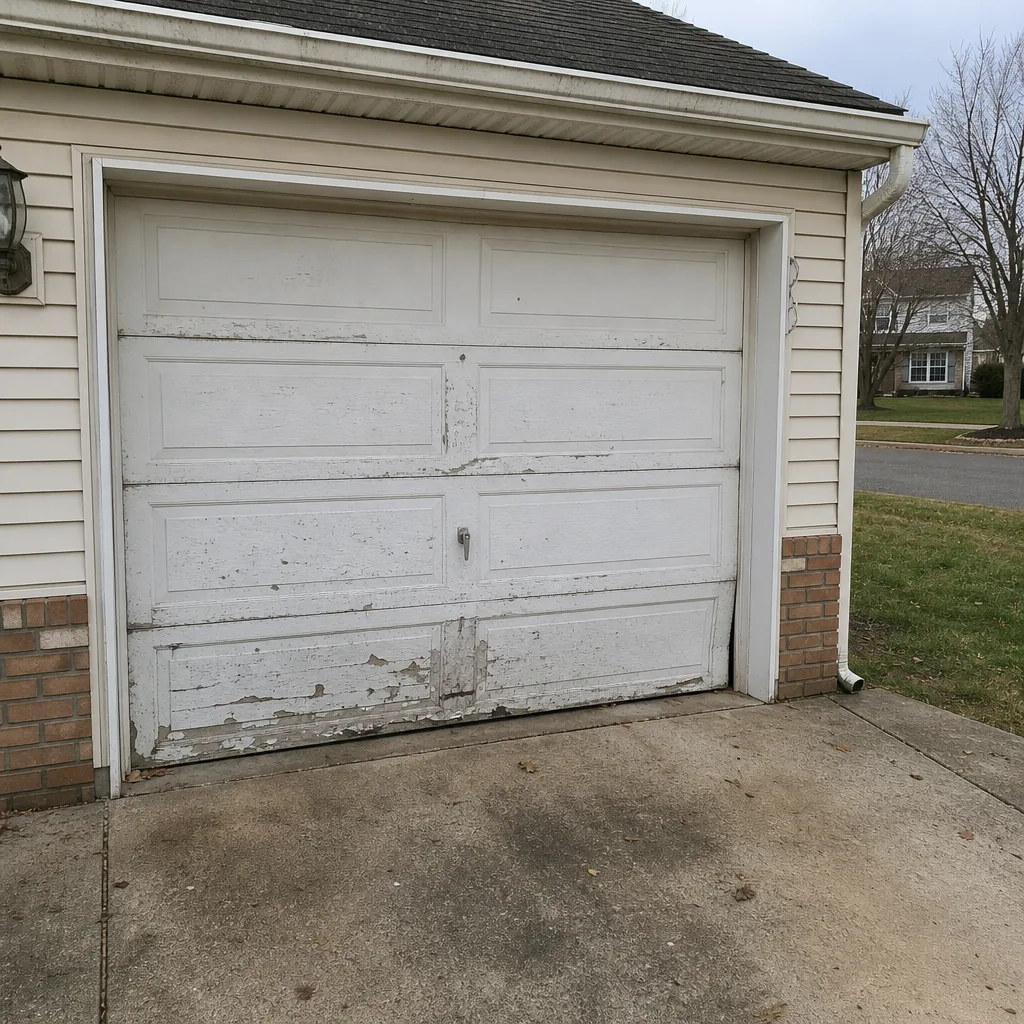 Before
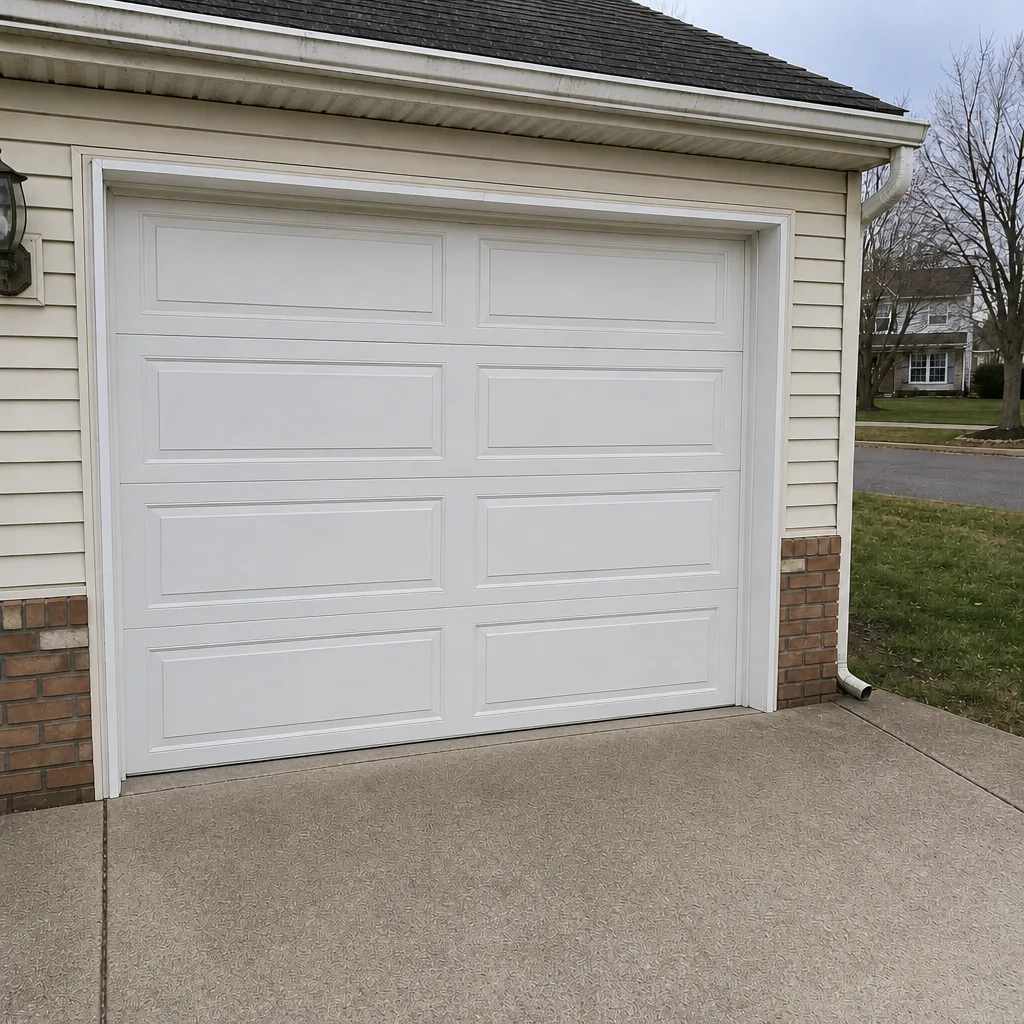 After
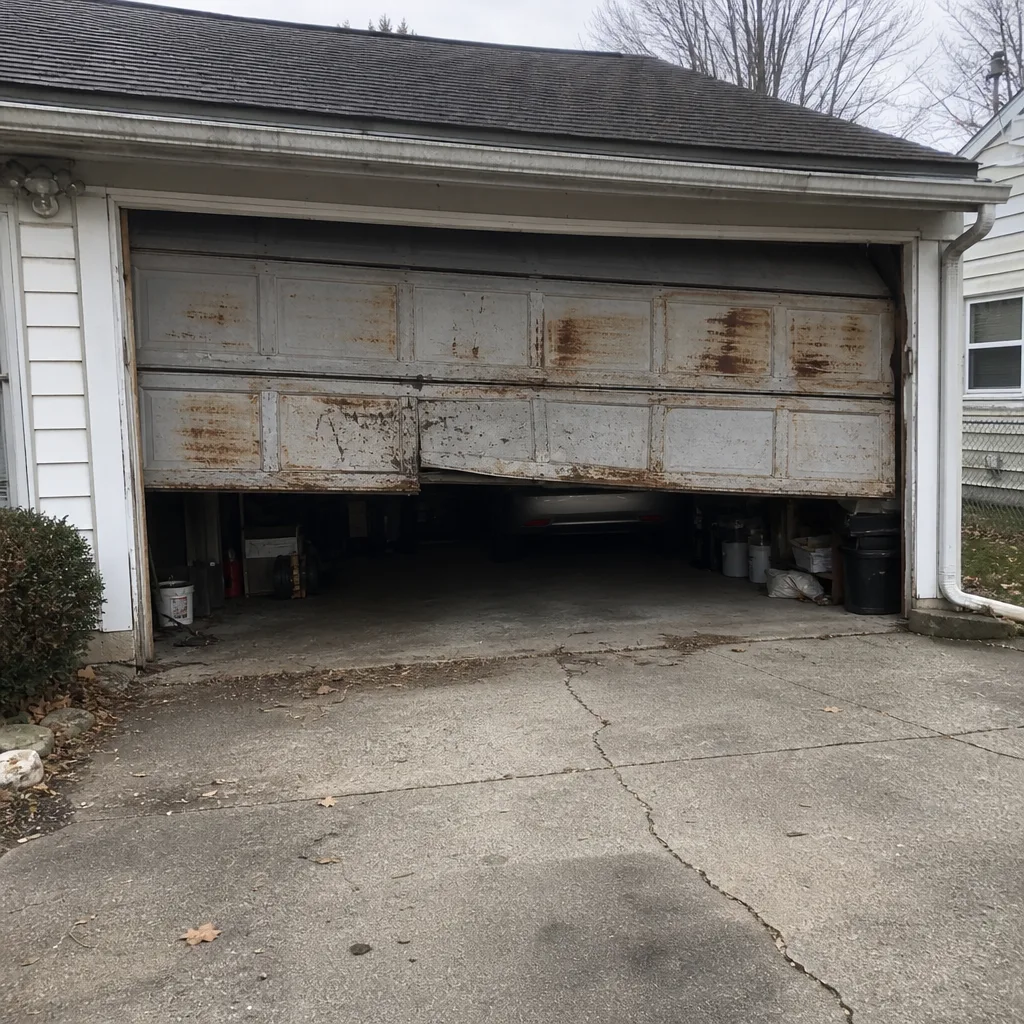 Before
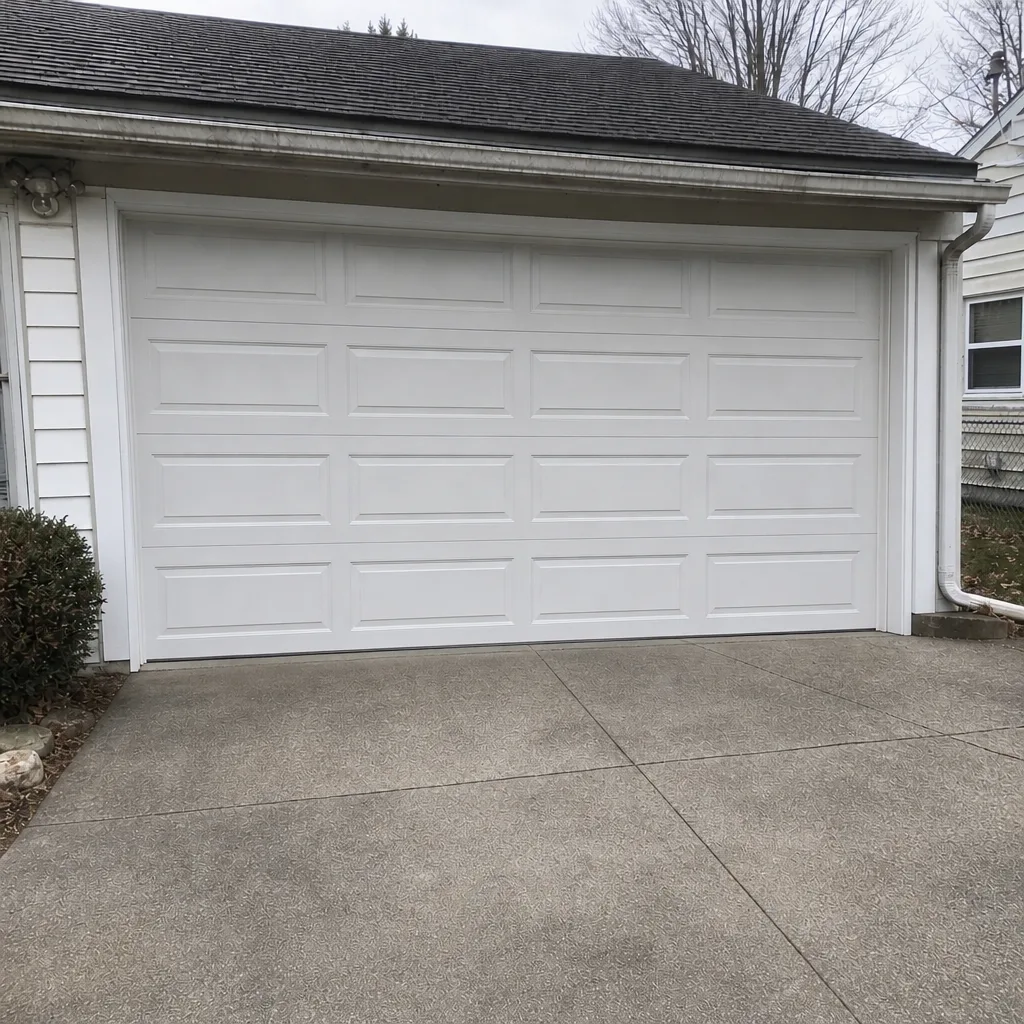 After
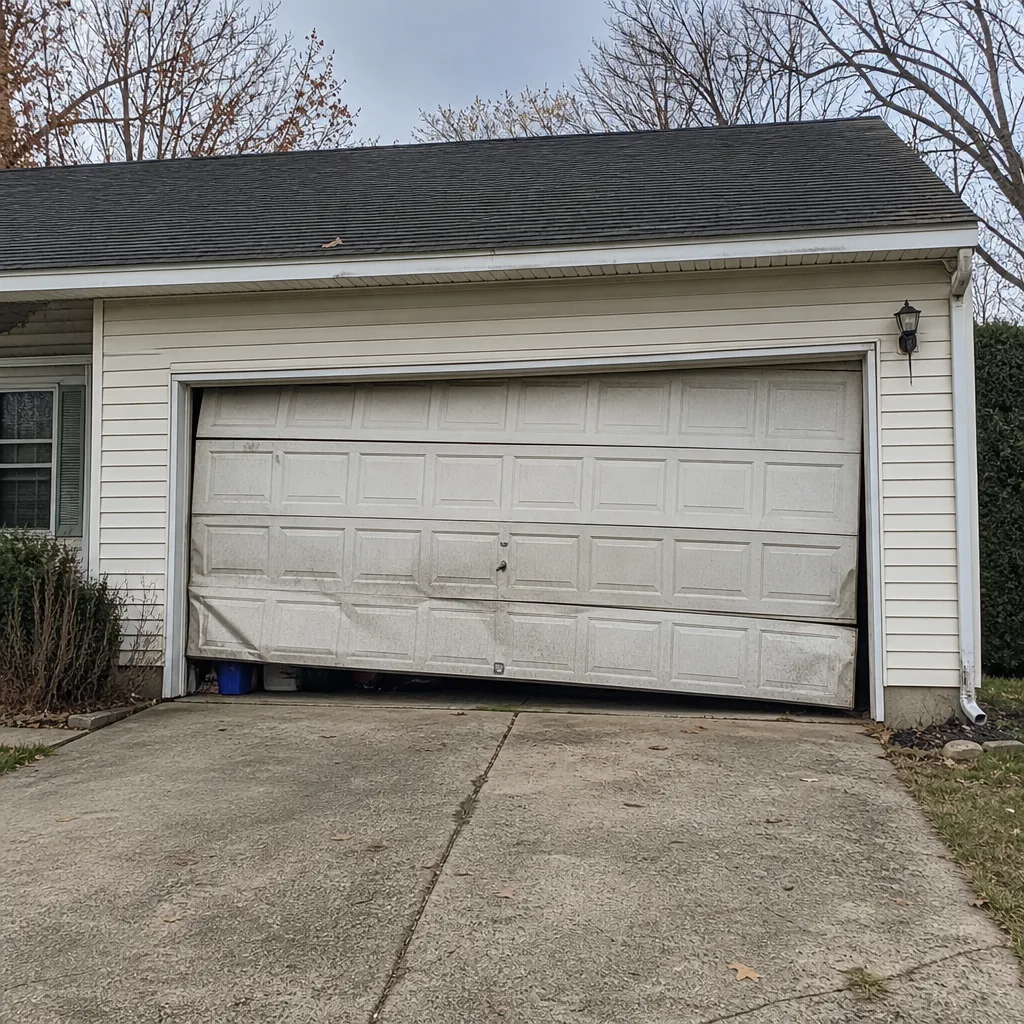 Before
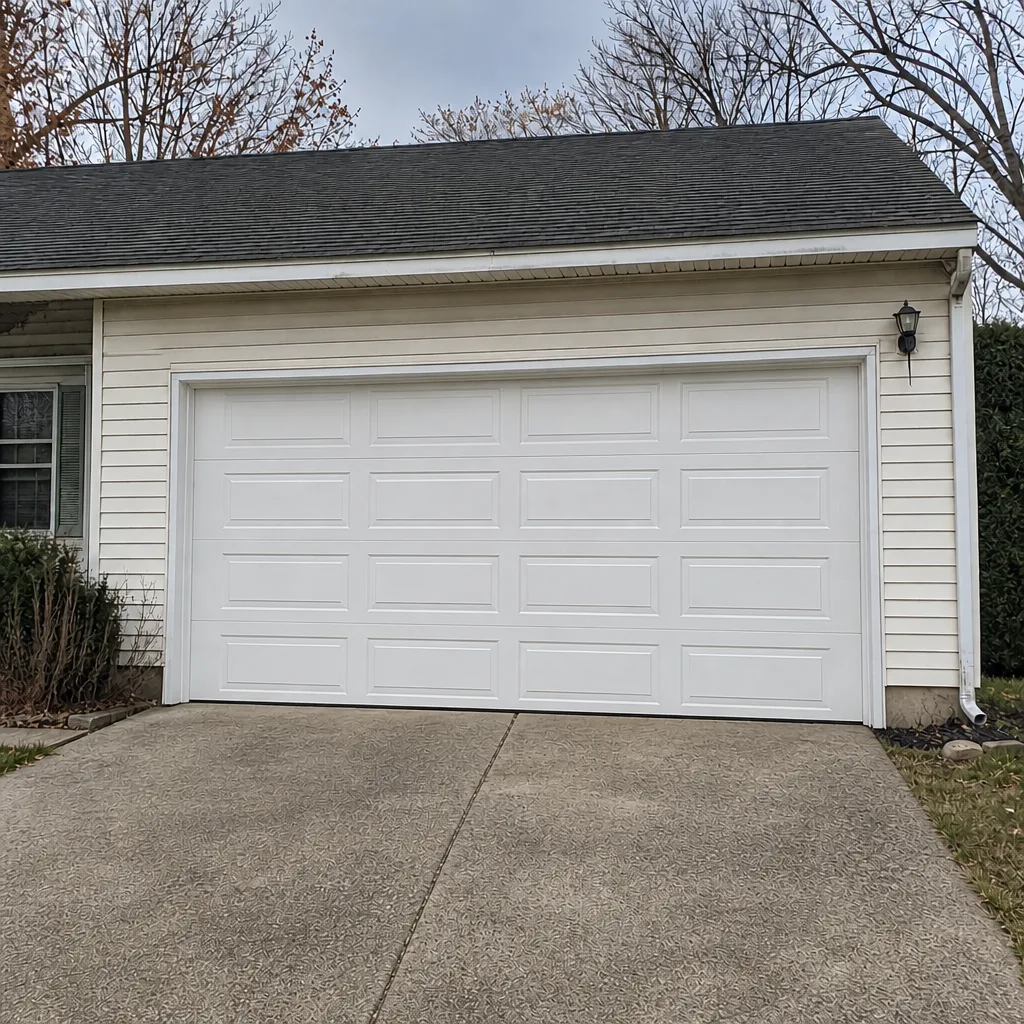 After
When to Call a Professional
Call a professional immediately if you see a gap in a torsion spring, hear a loud pop from the spring area followed by a door that won’t lift, or notice a cable hanging loose from its drum. These are the situations where the door can fail catastrophically while you’re standing near it. Call if the door reverses repeatedly after the sensor alignment is confirmed, if the door slams shut, if the opener grinds without moving the door, or if the door is stuck in the open position and you can’t secure the garage. For those calls in Mount Laurel, our emergency service is built for exactly this. We can also walk you through the safe next step on the phone while you wait. Garage Door Repair Mount Laurel offers free estimates in Mount Laurel – call (844) 292-9001.
Frequently Asked Questions
Most often it’s a misaligned safety sensor, and it’s the cheapest and safest thing to check first. Wipe both lenses, confirm both lights are steady, and try the door again. If the door still reverses with both sensors lit, the down-limit on the opener may be set too high, or the door is binding on the track just before it closes. Call (844) 292-9001 if the sensor alignment doesn’t fix it – estimates are free.
It usually means a torsion spring has broken. The pop is the coil releasing; the door won’t lift because the spring that counterbalanced its weight is no longer doing that job. Stop running the opener. Disconnect the door from it using the red release handle and call a technician. This is one of the most common calls we take in Mount Laurel, and it’s not a DIY repair.
We can often get to an opener repair the same day it’s called in, and we work through diagnostics before replacing anything. If the issue is a spring or a bent track, the timing depends on parts. We’ll give you a clear answer on the phone and won’t overbook. Call (844) 292-9001 and we’ll tell you what’s possible.
The local professionals we connect you with are licensed and insured as New Jersey requires, and they carry the tools and training for the work. Spring and cable repairs specifically need the right equipment, and that’s the standard we hold. Call (844) 292-9001 for an exact quote – the written estimate sets the price before any work begins.
The written estimate we give you before any work starts is the price, and that shouldn’t change mid-job unless you approve a change in scope first. If the diagnosis reveals something we couldn’t see over the phone, we’ll show you the additional finding and give you a revised estimate before we touch anything. That’s how the process is supposed to work. Call (844) 292-9001 for an exact quote – estimates are free.
Spring repair is usually quoted per spring, and a matched pair is replaced together – a pair typically costs about twice the price of a single spring. The written estimate you get on-site sets the final price. We’ll confirm your door’s configuration and spring type before quoting so you don’t get an estimate that changes when the technician arrives. Call (844) 292-9001 for a free estimate.
The Bottom Line
Troubleshooting a garage door isn’t about matching a symptom to a part – it’s about checking the system in the right order so you identify the actual failed component rather than the one making the most noise. Sensors, opener logic, balance, tracks, springs, cables. That sequence catches the free fixes first, safely identifies the dangerous ones, and gives you the vocabulary to describe your problem accurately. Listen to the door, test in the right order, and stop at the spring and cable line. Our technicians have up to 9 years of experience working through exactly this process in Mount Laurel homes, on the door and opener brands you actually have. If the process points to something we should handle, we’re ready to help.
For a free estimate on repair, spring work, opener service, or a new installation in Mount Laurel, call Garage Door Repair Mount Laurel at (844) 292-9001. We’ll help you identify the real problem, give you a clear price in writing before we start, and get your door back in working order.
Written by the team at Garage Door Repair Mount Laurel.